The improved beef prices won’t cover the cost increases farmers face
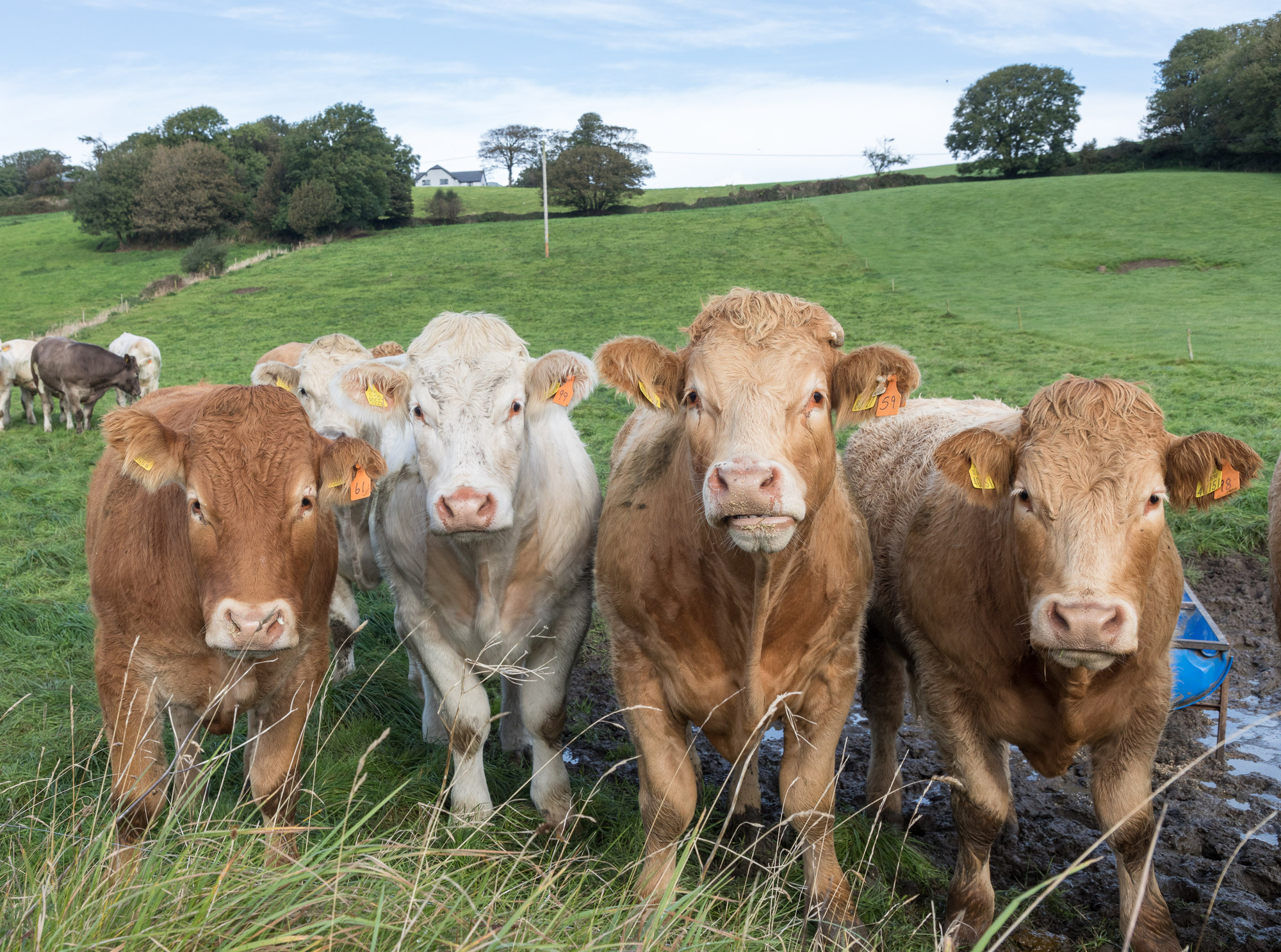
The suggested 24-month slaughter target will be very difficult for some to achieve without moving to more intensive finishing systems
The improved beef prices won’t cover the cost increases farmers face

When you add in diesel prices, bale and pit plastic prices and many more increases, then it looks like a tough year ahead. Picture: David Creedon / Alamy Live News


What is the future of the Irish beef producer?

As we head towards 2022, it is apparent that input costs will be much higher than in previous years.

Fertiliser will potentially be 250% to 300% higher than last spring and concentrates look like being around 50% higher.

When you add in diesel prices, bale and pit plastic prices and many more increases, then it looks like a tough year ahead.

Beef prices at the factory and live trade in the marts have improved, but these better prices won’t cover the cost increases.

When I look at the dairy sector, at least the increase in fertiliser and feed for 2022 when compared to early 2021 will be offset by the milk price. When the predicted prices for fertiliser and feed are accounted for, it will increase the cost of milk production by approximately 5c per litre.

So many unknowns exist in our industry and it is causing a significant level of frustration for farmers.

One such issue is a reported reduction in the age of slaughter for animals. If the suggested 24-month target is pushed through, it will be very difficult for some to achieve without moving to more intensive finishing systems.

Remember that the vast majority of calves in this country are born from late January to early April and if they are to be killed under 24 months, then they will all need to be killed out of the shed in their second winter.

This would increase the costs for beef producers and also reduce carcass weight, thus revenue will drop per animal. How do we continue to promote grass-fed beef if this is to be forced upon all producers?

Perhaps one solution for the suckler herds producing quality cattle would be to move more towards autumn calving so that they can be finished off grass? I calve the majority of my herd in the autumn and can see big benefits from calf performance in the following spring and summer pre-weaning.

Calves born in the autumn will be well able to consume large volumes of grazed grass in the following spring and summer, require minimal concentrates pre-weaning and present good forward stock at sale. These steers and heifers will then be well grown in the following winter, prepared for finish off grass the following summer. For autumn calves kept as bulls, these would be very suitable for under 16 month systems over the following winter.

Obviously, this would be dependent on the infrastructure and feed available in each yard.

Another benefit of autumn calving in the suckler herd is being able to use A.I. which will improve the quality and consistency of the progeny from the cows.

Changes in silages being fed

Unfortunately, many producers are convinced that their silage is better than the results that they have received back from the lab or through mobile NIR. Funny enough, nothing has changed over the years as no customer has ever asked me to retest a silage when the results are excellent.

December often corresponds with a transition of silages on farm. This year in particular has seen a huge amount of bale silage available and, as a result, many are only just after opening the pit.

Take care when moving over to pit silage as it tends to be lower in dry matter, meaning higher acid loading and it may be more finely chopped which can cause temporary digestive upsets.

As we head into mid-December, it is, unfortunately, becoming more common to hear of spoilage in silages.

This is happening with both pit and bales, but more commonly in pits. Mouldy silage is dangerous to feed to any animals and can have major implications for their performance and health.

If in doubt throw it in the dung heap would be a simple message.

Investing in animal performance through mineral balance

Optimising performance each winter is key to achieving a margin from every animal in your care.

Each detail needs to be reviewed, with silage mineral analysis money well spent.

Doing one every few years will give you an up-to-date mineral profile of your grass on the farm.

This will be of particular benefit where new ground is being harvested for silage or where forages have been bought in. Feeding a cheap mineral might be a total waste of time if it doesn’t balance your forage sources.

Buy a mineral based on what it will deliver to your stock rather than trying to save money by buying any available mineral.

The feed rate guidelines on the bag should be followed carefully. These feed rates are intended to deliver the required mineral elements for the target animals being fed.

Those feeding maize silage, whole crop and beet, in particular, need to make sure that they are supplementing with sufficient phosphorous.

Typically beef minerals are to be fed at 20g per 100kg live weight, so take care to increase the minerals fed as you progress through the winter as stock grow and increase in weight.

x

More in this section

Farming

Newsletter

Keep up-to-date with all the latest developments in Farming with our weekly newsletter.

Cookie Policy Privacy Policy Brand Safety FAQ Help Contact Us Terms and Conditions

© Examiner Echo Group Limited