Meet the dairy farmers: ‘Dairy farming is tough going, but it has been very good to me’
Aisling Kiernan talks to four farmers about what they see as the main issues facing Irish dairy farming in the near future
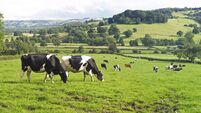
Dairy farmer Martin Davin, Eglish, Rathdowney, Co Laois, bringing in his 120 cows for milking. Pictures: Alf Harvey.

Dairy farmer Martin Davin, Eglish, Rathdowney, Co Laois, bringing in his 120 cows for milking. Pictures: Alf Harvey.

Farmer Profile #2:

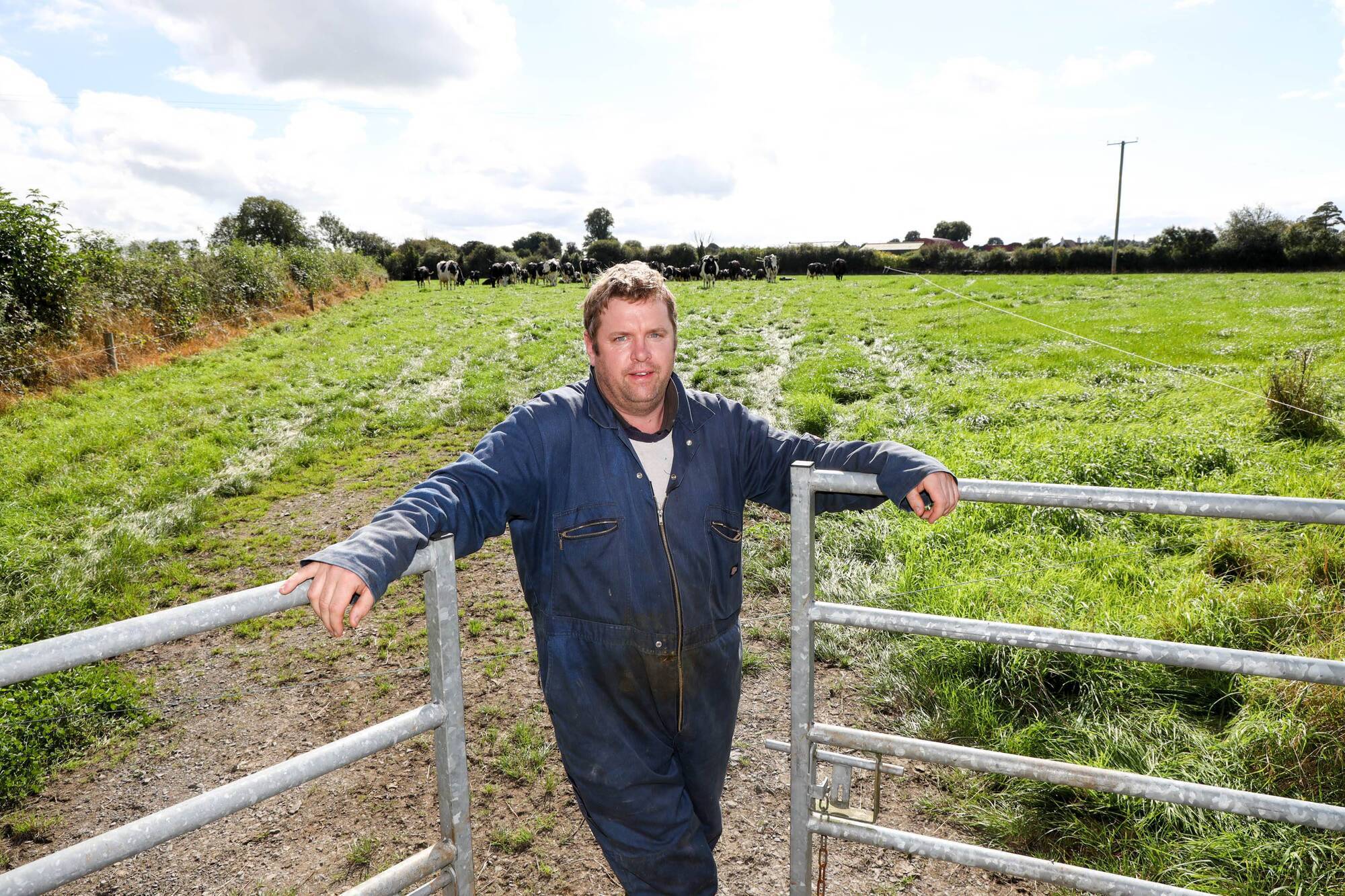
Martin Davin, Rathdowney, Co Laois.

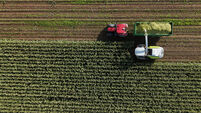
Dairy farmer Martin Davin, Eglish, Rathdowney, Co  Laois, with his only tractor as he employs a local contractor. 

Martin Davin, from Rathdowney in Co Laois, milks 120 cows on the family farm.

Sheds and an underpass are just some of the on-farm investments over the last 10 years.

The underpass is part of the R433 — a busy route and allows Martin to cross his cows from one part of the land to the other in a safe manner.

He has been investing in and expanding his milking parlour since 2002.

He supplies Glanbia Ireland where a team of over 2,000 people manage its network of 11 processing plants, international sales offices in the US, China and Dubai, and 52 agri branches, to deliver annual revenues of almost €2 billion.

Meanwhile, Martin says that one of the big issues in the sector is the unavailability of labour.

“It’s very hard to get people,” he adds.

Dairy farmer Martin Davin bringing in his 120 cows for milking through the underpass built under the Rathdowney to Templemore main road. 

The Co Laois farmer also pointed to the Common Agricultural Policy (CAP) and its focus on the environment.

“I’m lucky here in that I have loads of slurry storage,” he added before highlighting the additional pressures that farmers will come under as a result of the Nitrates Action Programme (NAP) and the Nitrates Directive.

The regulations within NAP contain specific measures to protect surface waters and groundwater from nutrient pollution arising from agricultural sources.

And, in accordance with the Nitrates Directive these regulations are being reviewed this year.

And, according to the De

partment of Agriculture, Food and the Marine, there are a number of measures in NAP that will be implemented outside the regulations contained within the Nitrates Directive.

“As farmers we have a responsibility to ensure that water quality is good and that is something that we all have to keep an eye on,” added Martin.

“I’m happy doing what I’m doing, I just keep my head down and get on with it.

“Dairy farming is tough going but it has been very good to me.”

 Meanwhile, the agri-food sector is Ireland’s largest indigenous sector contributing to 7.8% of Gross National Income (GNI), 7.9% of total employment and 11.1% of all merchandise exports.

Agri-food exports have grown by over 70% from 2009 to 2017 when they reached €13.6 billion.

More in this section

Farming

Newsletter

Stay ahead of the season. Sign up for insights, expert advice and stories shaping Irish agriculture.

Cookie Policy Privacy Policy Brand Safety FAQ Help Contact Us Terms and Conditions

© Examiner Echo Group Limited