Dairy sector's proud history of resilience and evolution

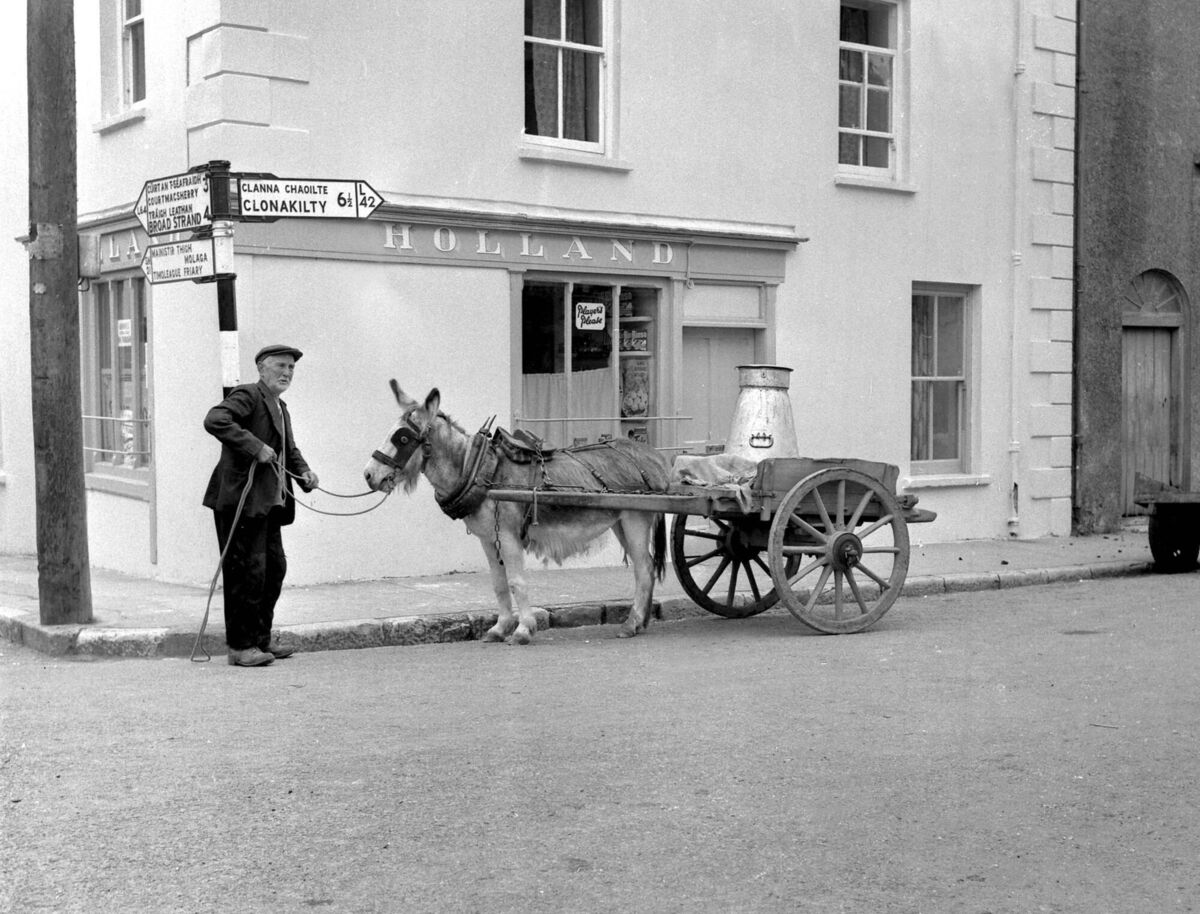
A farmer delivers the milk to Barrroe Creamery 21/09/1961 Ref. 983L Old black and white co-op donkeys dairying west cork
recalls how generations of Irish dairy farmers have risen to every challenge that they have encountered

Most dictionaries define resilience as the ability to withstand adversity and bounce back from difficult life events and challenges.
Dairy farmers in Ireland are the classic examples of being able to recover quickly from setbacks and adapt new ways to tackle problems.
It is a characteristic inherited from their ancestor Stone Age farmers who began to till the soil with primitive tools at the Ceide Fields on the boggy coast of north Mayo some 5,000 years ago.
The most recent evidence of that resilience was seen during the height of the Covid-19 pandemic when they ensured an unbroken supply of milk and dairy products to supermarkets, shops, and the foodservice sector.
It was the same resilience that helped dairy farmers over the centuries to survive the vagaries of the weather, the impact of wars and revolutions, land agitation and economic upheaval.
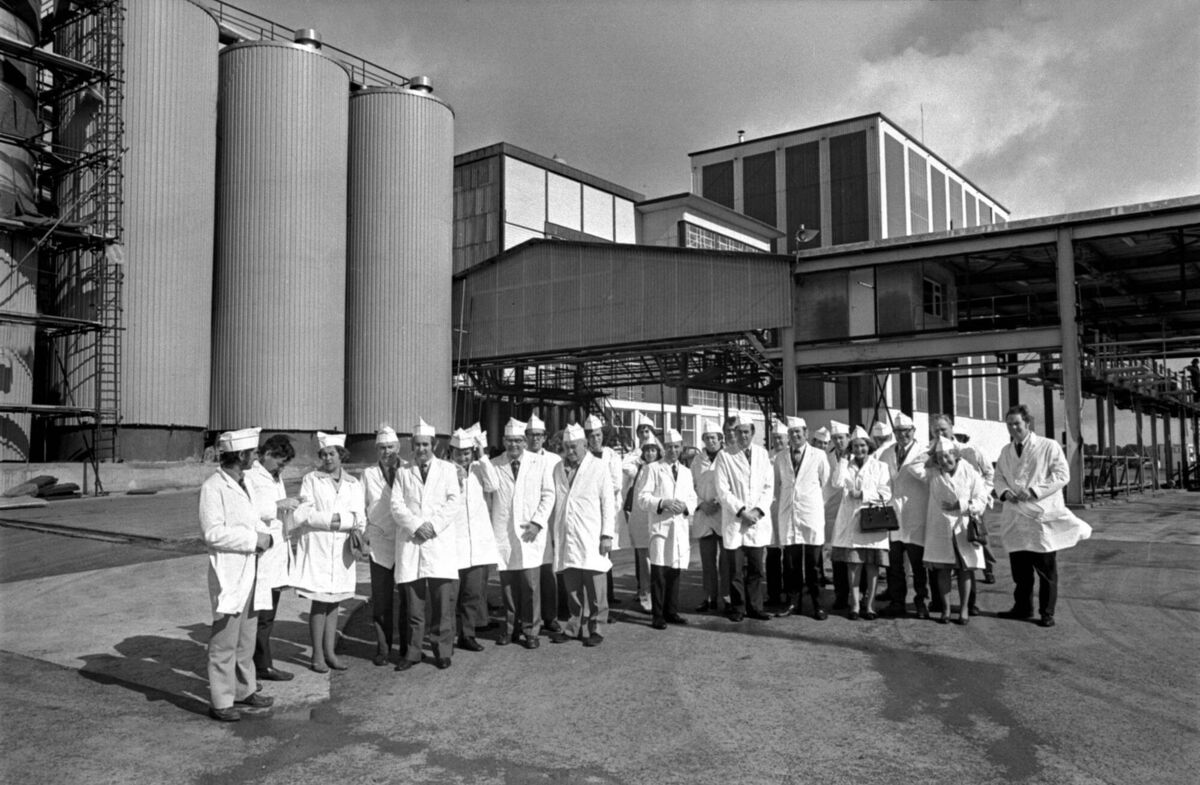
They have coped with changing methods of farming, membership of the European Union, market volatility, and the growth and development of their industry including the merger of local creameries into agri-business companies with a global reach.
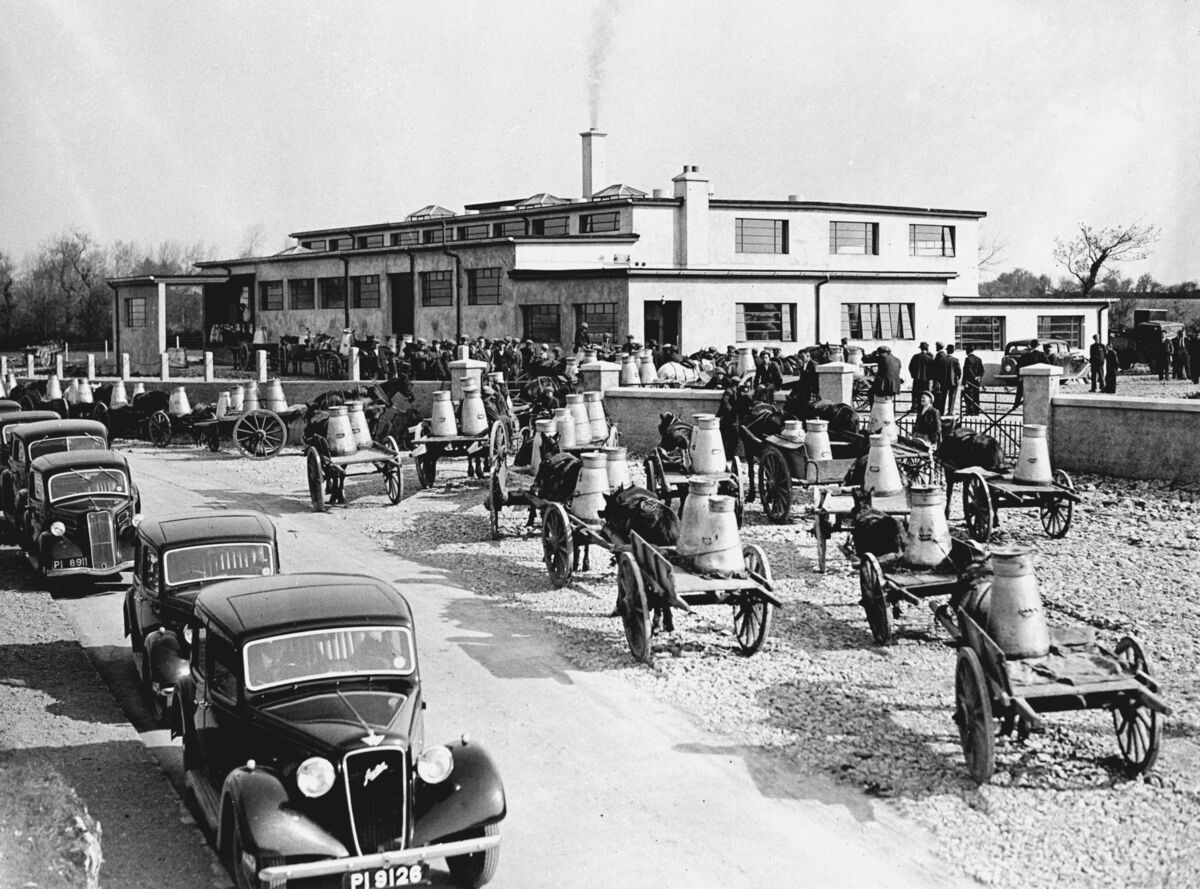
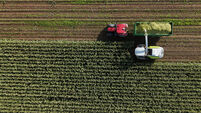
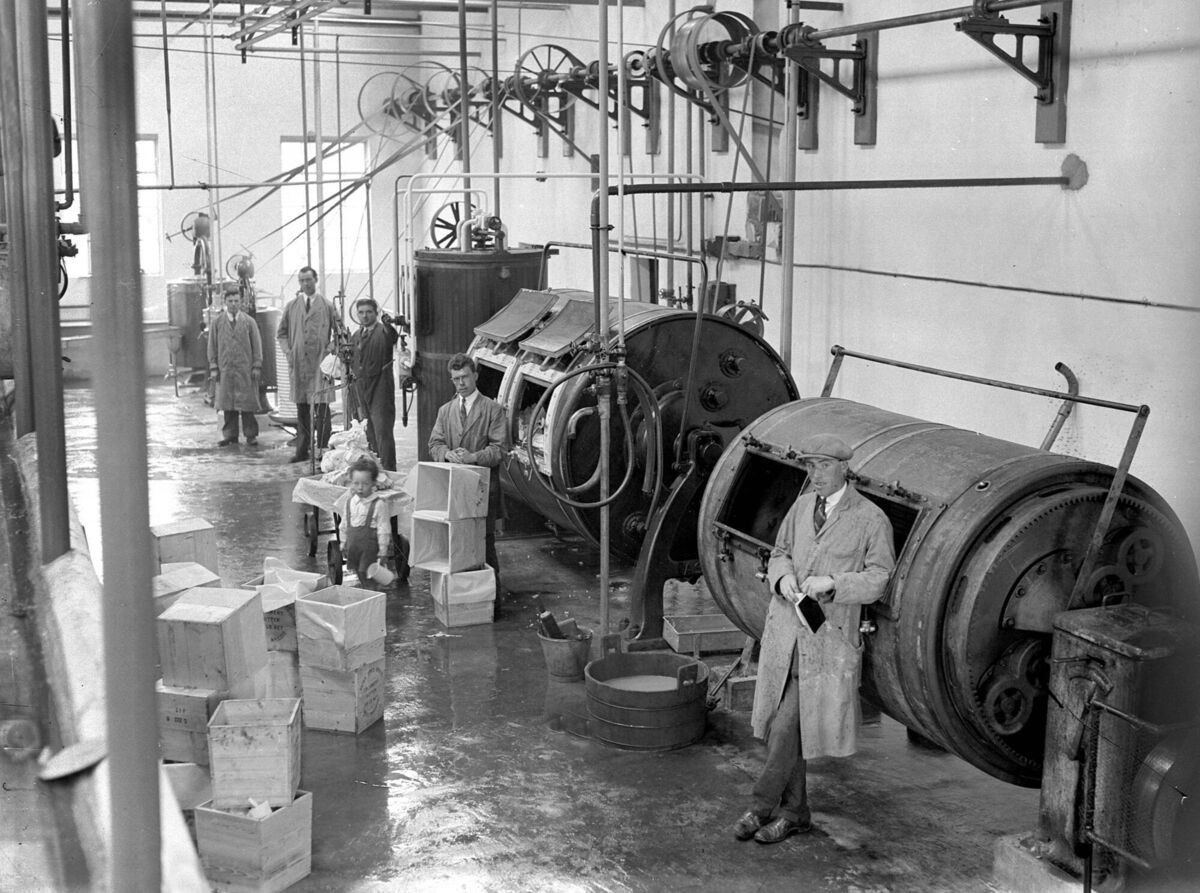
Farmers adapted to the introduction of the mowing machine, the arrival of the tractor and the milking parlour, the transition to livestock marts from street fairs and in more recent times the use of space-age technology, robotic milking, and internet tools.
They have used knowledge and education to negotiate through their lobby groups with co-ops, Government agencies, and the EU on the changing directions in agricultural policy including the abolition of milk quotas and their re-introduction 31 years later.
Dairy farmers have especially faced the impact of fluctuating global markets, many of them arising from geo-political developments, cyclical milk prices, and periodic surges in animal diseases such as BSE and foot and mouth.
And now they and the rest of the world are confronted with the greatest and most challenging of all issues, climate change, which threatens civilisation itself with intense drought, storms, heatwaves, rising sea levels, wildfires, melting glaciers, and warming oceans.
A global response is underway to tackle the crisis, with plans and targets set for the reduction of greenhouse gas emissions. Ireland is now on a legally binding path to net-Zero emissions no later than 2050, and to a 51% reduction in emissions by the end of this decade.
Agriculture and transport are highest emitters in Ireland. But all sectors of the economy have a role to play on the journey to carbon neutrality.
Farmers, who are already taking many positive steps to make their farms more sustainable, maintain they are being unfairly singled out in the debate on how to achieve the reduction targets for their sector.
Environmental, climate and other interests believe that Ireland needs to reduce the size of its national cattle herd to lower methane emissions if it wants to meet its obligations on tackling global warming.
But the agri-sector insists that changed methods of farming, science and new technologies can reduce emissions while maintaining the national herd.
The dairy industry increased milk output by 60% since 2015, supports up to 60,000 people directly and indirectly and exported dairy products valued €5.1 billion to some 143 countries, underpinning the national economy and rural communities.
But the expansion of the sector has created many challenges, not least in terms of Ireland’s commitment to reduce greenhouse gas emissions, improve water quality and increase biodiversity.
The rise in milk output was associated with an increase in the number of dairy cows in an industry that processes in the region of eight billion litres of milk from some 1.5 million cows, across 30 sites.
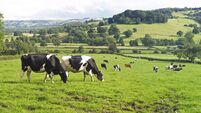
It aims to be a global leader in the development of a high-value, environmentally sustainable dairy industry based on extensive grass-based dairy system.
The debate on reducing greenhouse gas emissions is taking place against a background of Brexit, reform of the Common Agricultural Policy and the ongoing threat of the Covid-19 pandemic.
Teagasc says the Irish dairy industry has been the fastest-growing dairy sector in the EU over the last 10-years, but these achievements have occurred alongside growing environmental pressures concerning agricultural emissions, reduced water quality and biodiversity loss.
“Given the ambitious national environmental targets that have been adopted, the dairy industry needs to operate farming systems that are sustainable in economic, social and environmental terms.
“There is, therefore, an urgent requirement for dairy farmers to adopt new technologies and manage their farming system to minimise its impact on climate change, water and air quality and biodiversity,” it said.
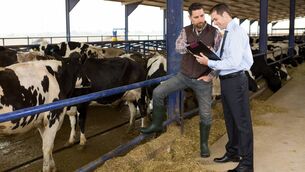
Jerry Long, president of the co-ops national umbrella body, ICOS, agreed the sector is faced with significant and ongoing challenges in how to ensure it can deliver on its shared responsibilities to the environment, while continuing to feed tens of millions of people with safe, affordable, nutrient-dense foods.
“I’m fearful of the current narrative around clamping down on agriculture and food production in Ireland. Whilst this might seem like a simple and attractive notion to some in Government circles, it would be disastrous for rural Ireland, and would do nothing for the environment.
“Simply offshoring food production to South America or similar territory would result in significantly greater total emissions, whilst killing the one true indigenous industry.
“We all accept that we can’t have limitless expansion in the dairy sector; but we need to develop a model that provides for steady organic growth for existing units, with the capacity to allow for a healthy influx of new entrants,” he said.
Agriculture Minister Charlie McConalogue recently stressed that agriculture has a critically important social, economic, and environmental value to Ireland.
“As an industry, farming has a history of embracing change and a shared desire to leave the farmed environment in a better condition for the next generation,” he said.
His predecessor Michael Creed is also on record as saying that Ireland’s food producers and farmers have a tremendous reputation internationally in terms of the sustainability of the food and drink that they produce.
“It is a reputation we can be justifiable proud of. With a growing global demand for food and a rapidly evolving marketplace seeking confirmation of our sustainability credential, farmers have engaged proactively in recent years in improving the carbon footprint of our produce,” he said.
Mr Creed said the Government plan set an ambitious target for agriculture that is challenging. It requires the industry to innovate and increase the delivery of solutions to both enhancing productivity and reducing emissions.
“I have no doubt that the sector once again will rise to this challenge and reduce emissions so that Ireland remains a world leader in sustainable climate-smart food production.
“Irish farmers are innovative, resilient, and committed to working together to find solutions in the face of this enormous challenge.
“As custodians of the land they are already committed to sustainability, and this commitment will ensure a vibrant rural economy for generations to come,” he said.
Irish Creamery Milk Suppliers Association president Pat McCormack said recently that farmers are going to struggle to see the point of curtailing production of dairy and beef — “in which we certainly are amongst the most sustainable in the world — only to see that slack picked up and transferred to other producers that are notably behind us already.”.
However, the 2020 Climate Action Advisory Council report warned that with the policies and measures envisaged under the Climate Action Plan, the projections for the sector to 2040 show limited progress towards emissions reduction.
It recommended that the role of farmers in the management of carbon stocks be acknowledged and that they should be incentivised to adopt measurable and verifiable practices that sequester carbon.
In a statement last May, five key stakeholder organisations in the dairy sector came together to issue a joint commitment on climate action.
Dairy Industry Ireland, the Irish Cooperative Organisation Society, the Irish Creamery Milk Suppliers Association (ICMSA), the Irish Farmers’ Association and Macra na Feirme set out 17 principles in relation to climate action.
They detailed the major contribution of the sector to the economy, its ongoing sustainability, its commitment to climate action, and the various initiatives required to support the sector.
And they also called for “an end to the divisive, unhelpful and damaging public debate on climate change and agriculture”.
“The recent expansion of dairy production has reduced the carbon footprint of Irish milk and through the adoption of the Teagasc Marginal Abatement Cost Curve (MACC) measures, a further sustained reduction in the carbon footprint of the Irish dairy sector will be achieved.
“We emphasise the competitive advantage of Ireland’s grass-based production system and the low carbon footprint of the Irish dairy sector based on international comparisons.
The unique system is based on the sustainable conversion of grazed pasture into high-value dairy products, which attract a premium on world markets due to providence, and sustainability of the production chain.
“We vigorously defend the legitimate rights of farm families to profitably pursue milk production in a sustainable manner and warn against the unintended consequences of actions that will undermine the cost competitiveness of the Irish dairy sector.
“Restricting milk production from Ireland will increase global emissions; the introduction of policies that facilitate this to happen will increase climate change,” the stakeholders stressed.
The statement went on: “Mindful of the existing low carbon footprint of the Irish dairy sector, we support an approach to mitigating greenhouse gas emissions from the agriculture and dairy sector based on the world-class research and advice provided by Teagasc.
We call for increased levels of funding to support new research and the adoption of technologies to drive mitigation in agriculture. We call for an urgent review into the assessment of biogenic methane emissions and the accounting of carbon sequestration in national inventories.” The stakeholders pointed to the considerable actions undertaken by the dairy sector to demonstrate leadership in environmental sustainability and its commitment to further actions in this regard.
They stated that the dairy industry should be given the opportunity and time to address the climate change challenge and to demonstrate its potential to be climate neutral by 2050.
“This will involve increased understanding and knowledge of the potential of carbon sequestration and its interaction with management as well as the impact of short-lived greenhouse gases (methane).
This combined with the aggressive technology adoption at farm level should lead to an agricultural industry being climate neutral,” the statement added.