US now on high alert over African Swine Fever after it jumped the Atlantic
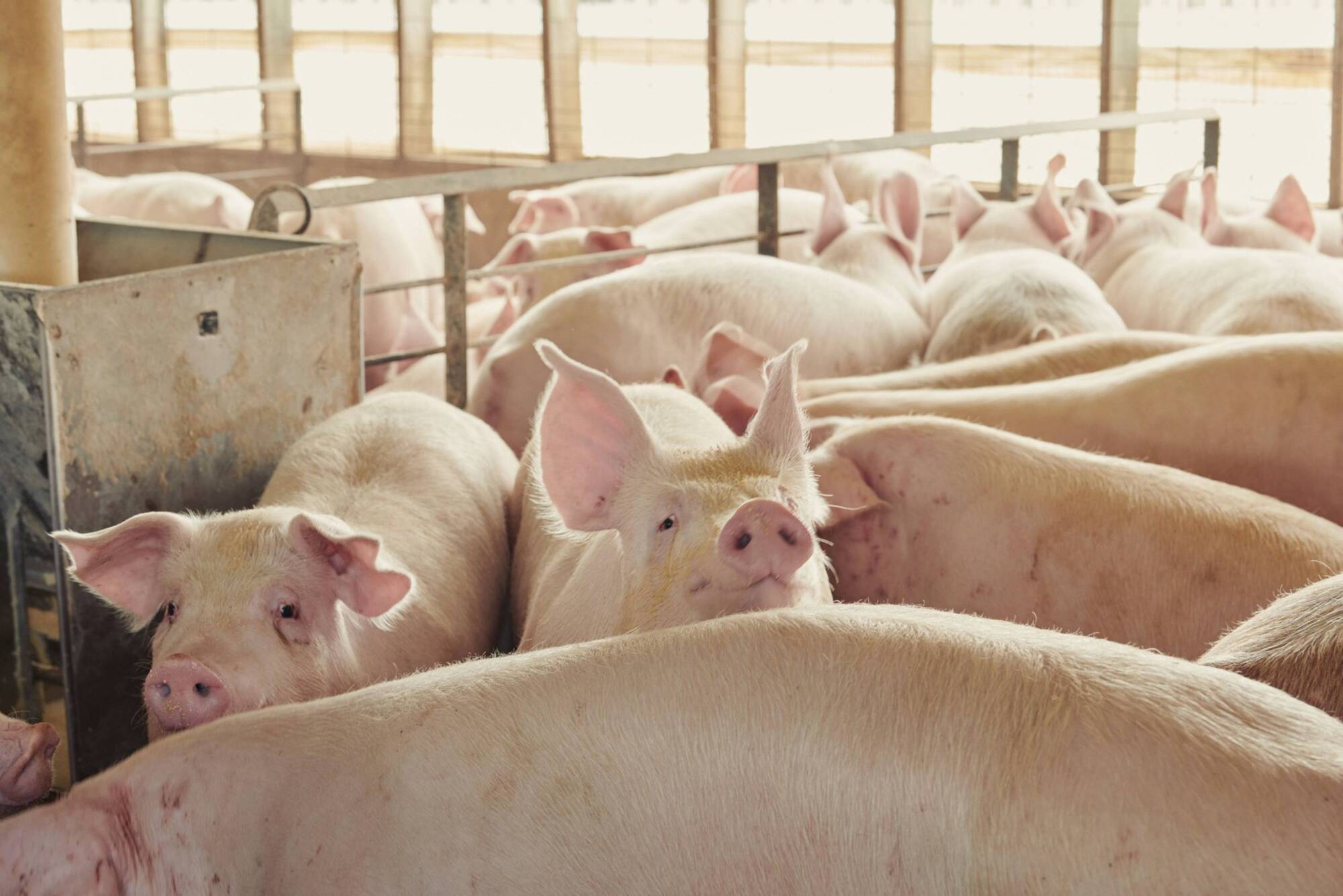
Pigs stand in a pen at a farm near Le Mars, Iowa, in the US where farmers are now on high alert. Picture: Dan Brouillette/Bloomberg
American pig farmers have been put on alert against African Swine Fever (ASF) after the disease jumped across the Atlantic Ocean and cropped up in the Dominican Republic, a Caribbean country only 700 miles from the United States.
There has never been any finding of ASF in the United States or Canada, and it has been absent for nearly 40 years from the Western Hemisphere, until the Dominican Republic outbreak.
It poses no threat to humans but can cause up to 100% mortality in pigs. In the past three years, outbreaks have required the destruction of millions of pigs in 90 countries in Africa, Europe, and Asia, as governments tried to halt its spread.
There’s no vaccine or treatment for ASF, which spreads when pigs come into contact with infected pigs, pork, and pork by-products.
Since an ASF panzootic emerged in China (the world’s biggest pork producer and consumer) in 2018, ASF has greatly disrupted the global protein market and threatens the sustainability of pig farming globally. It spread from China throughout Asia.
ASF was notified in domestic pigs in the Dominican Republic in July, and half of the nation’s provinces have the disease. The Caribbean nation shares the island of Hispaniola with Haiti and is a tourist destination, which adds to the danger of ASF spreading in the Americas.
However, ASF has been kept under control in the EU since 2014, when it spread from Russia and Belarus. As a result, most of the EU member states can continue exporting pork worldwide without restrictions.
It has been found in thousands of wild boars across continental Europe over the past three years.
From Russia and Belarus, the disease spread to the EU in January 2014, cropping up in Lithuania, Poland, Latvia, and Estonia later in the year. By the end of 2019, it was present in nine EU Member States, including Belgium, Bulgaria, Slovakia, Hungary, and Romania. In 2020, it was found in Greece (only one case) and Germany (a major pig producer, which has lost valuable export markets due to ASF).
Estonia had only a single outbreak in 2021. Hungary has ASF only in wild boar. The Czech Republic has been free from ASF since early in 2019, and Belgium, where it was found only in wild boar, has been ASF-free since last November.
Already found in more than 2,000 wild boars in Germany, it was found last July in domestic pigs on three small German farms near Poland. Restriction zones were set up, and it did not spread to other farms.
Germany's strategy to tackle the disease includes building fences along the Polish border to stop wild boar, increasing hunting of wild boars, and stricter hygiene measures on farms.
In contrast, ASF has continued to spread in Poland, in domestic pigs and wild boar, with farm cases cropping up last July in new areas of central Poland.
The World Organisation for Animal Health (OIE) has said it is now focused on the “urgent action needed to curb the spread of African Swine Fever in the Americas.” OIE has called on the US and Canada “to strengthen their surveillance efforts.
The USDA’s Animal and Plant Health Inspection Service has hosted an ASF action week of webinars to help farmers protect the US pig herd.
Agriculture Secretary Tom Vilsack said, “This disease does not affect people, and it cannot be transmitted from pigs to humans, and it’s not a food safety issue. However, ASF is incredibly destructive, and we need you to be informed.”
“ASF outbreaks have ravaged hog populations in parts of Europe and Asia, especially China, over the last three years, and the disease was recently detected in captive hogs in Germany and confirmed less than a thousand miles away from our shores in the Dominican Republic in July. African swine fever has never been detected in the United States, and we are committed to keeping it out and protecting our vital swine industry.”