Consultation on national CAP plan vital for tillage farmers
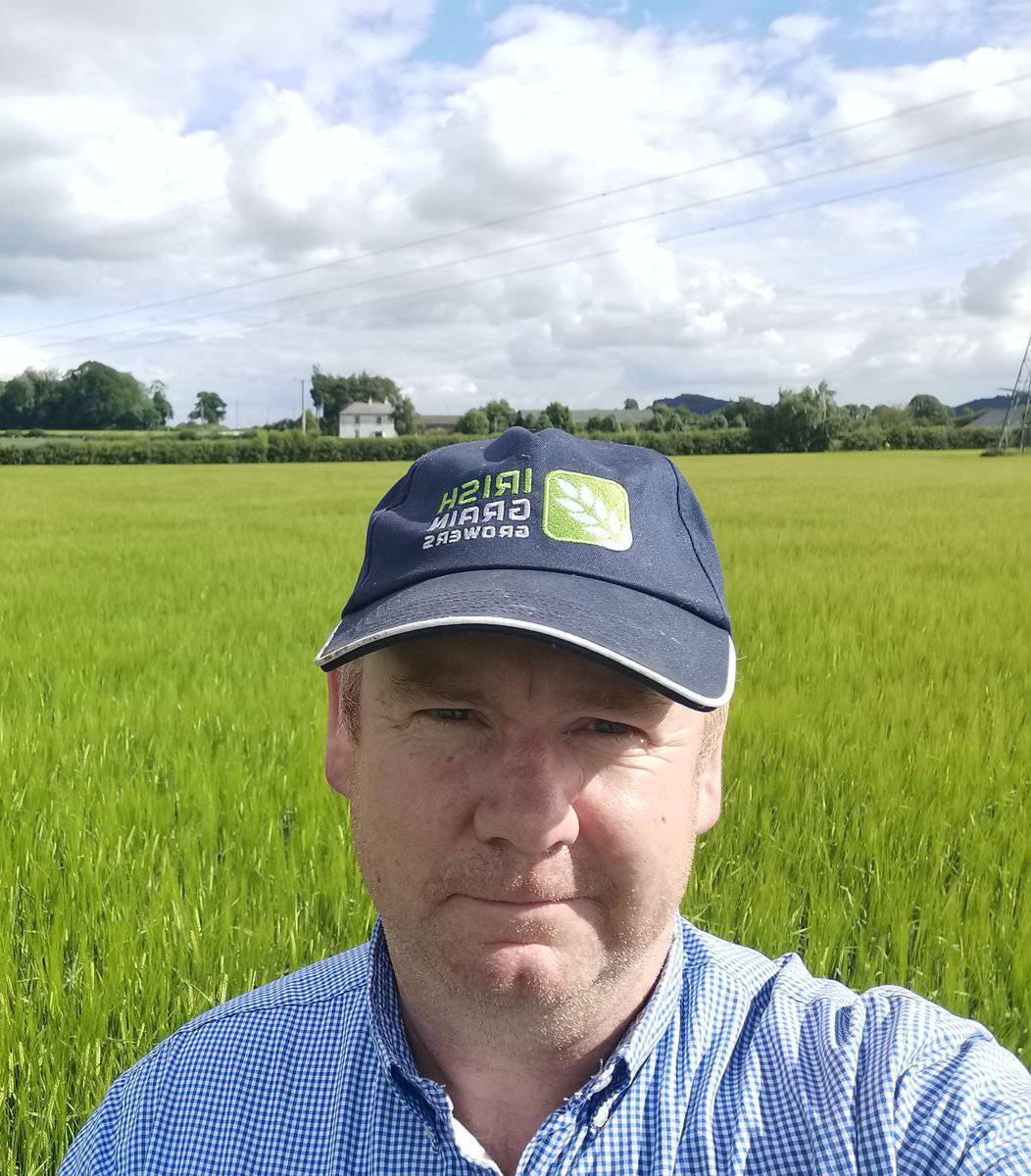
Bobby Miller, Chairman Irish Grain Growers. File Picture.
Tillage farmers are the biggest losers when it comes to the new Common Agricultural Policy (CAP) and the deal will “push land out of tillage”.
These were the sentiments expressed by the Irish Grain Growers following agreement of the deal by the EU Council of Ministers in Luxembourg last week.

Speaking to the Irish Examiner, its chairman Bobby Miller said the deal has left the Irish Grain Growers with no choice but to push hard for the sector when it comes to the consultation process on the national CAP plan which Agriculture Minister, Charlie McConalogue has promised to begin in the next few weeks.
“This deal is bad reading for tillage farmers overall,” added Mr Miller.
“The Government and its department officials must use its influence with the national plan to ensure the tillage sector grows in area going forward, a commitment given to us by the present Minister McConalogue.
“30% of our payment was an environmental Greening payment for the last eight years and not only has that not been rewarded or recognised in the new deal but further new measures including eco-schemes, front loading, 75% grass area allowance, and Convergence will push land out of tillage.
“This, in turn, will have a negative impact on Ireland’s greenhouse gas (GHGs) emissions and biodiversity targets.”
He added, there is not enough recognition being given to the low GHG emissions from an Irish tillage acre of grain and legumes produced compared to imported grains.
“These imported grains and by-products are travelling from up to sixty different countries annually and a sizable percentage of them are Genetically Modified (GM) and grown, in many instances, with husbandry standards banned in Ireland and the EU,” Mr Miller continued.
“The carbon footprint of these grains can be up to 24 times that of Irish grain according to the Teagasc Crops 2030 Report.
“We, as a sector, have a lot to offer with huge potential if given the support.
“Opportunities exist in areas like Oilseed Rape oil for cooking, etc; wheat flours for biscuits, artisan bread and pizza bases; oats for porridge and barista drinks for the growing flexetarian numbers who want an alternative to meat and dairy; barley, and wheat and rye for our rapidly regrowing drinks industry - especially whiskey.
Meanwhile, Minister McConalogue began his nationwide consultation on the new CAP and will engage with all farmers and stakeholders so that a national plan can be implemented.
“Farmers must be engaged with and be fully able to contribute in advance of those decisions being made,” he added.
“As we know the CAP income on family farms equates to roughly what the net income of those farms are, and in many cases exceeds what the net income of the family farm.
“We will have a level of engagement on all of this over the next few weeks with stakeholders and farmers; then we will make the decisions that need to be made.”