
Understanding the tax rules that apply to the sale and transfer of equipment can help avoid a lot of headaches and unnecessary tax bills.
Firstly, while it might seem obvious, it is nonetheless worth outlining that the sale of personal equipment which has not been used for trading (or rental) purposes is not subject to income tax, and neither would such equipment be liable for capital gains tax under rules which deal with “wasting chattels” excluding commodities.
A wasting chattel is best described as tangible moveable property which has an expected life of fewer than 50 years.
From a Vat perspective similarly, assets owned personally for non-business purposes which have not qualified for a Vat deduction are not liable to Vat on the sale.
Examples incorporating these three tax-free rules could include a person selling their private household furniture, cars, boats, clothing, handbags, etc.
Machinery and business
The rules get a little more complicated when it comes to machinery used for business purposes.
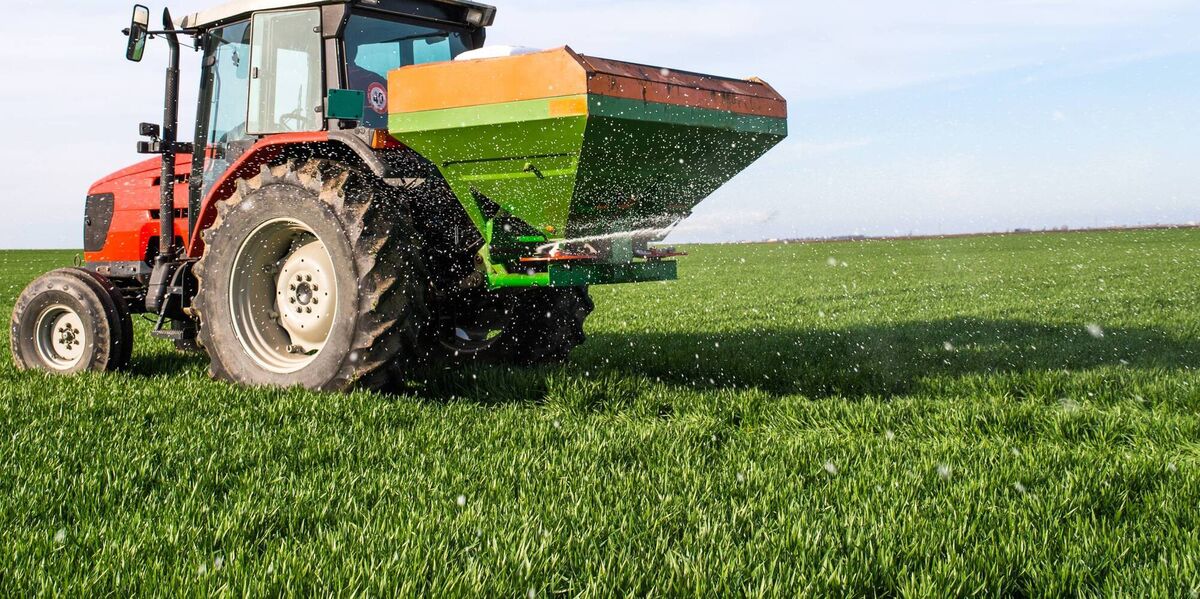
Selling a machine which you have used in your business and which qualifies for an income tax write-off via capital allowances is usually liable to income tax when you sell on the asset. Take for example a farmer selling a tractor which they have owned for the previous ten years for a sum of €35,000 - they will be liable to income tax on the sale.
The sales proceeds are accumulated with other trade profits for the year, and the tax rate applicable to such a sale could be as much as 52% for high rate taxpayers.
However, a useful tax relief allows a taxpayer to avoid paying income tax on the sale of machinery where such machinery is replaced.
Take for example a farmer buying a new tractor for €80,000 and trading in a 10-year-old tractor with a value of €35,000, rather than paying tax on the trade-in value in the year of the sale, a taxpayer can elect to have the transaction netted together, with no income tax due on the sale and instead capital allowances claimed on the new tractor on a reduced value of €45,000 over eight years.
The advantage of electing for this option is that an income tax hit is avoided on the sale of the trade-in.
This rule doesn’t only apply to assets that are traded in but can apply to assets sold to one customer and replaced from another supplier.
The option to avoid paying income tax on the sale of a machine isn’t available where the asset sold is replaced with a leased machine. This contrasts with hire purchase or loan financed equipment where the option could be used.
The option is taken by giving notice to the inspector of taxes.
Machinery which ceases to be used for trading purposes and which is not sold but retained as a personal possession is also liable to income tax. This may occur for instance where a farmer ceases to trade and lets out all of their lands, in such instances income tax must be accounted for on machinery retained for personal
use.
Transfer of machinery
The transfer of machinery from parent to child as a result of the transfer of a business can be liable to income tax based on deemed disposal proceeds based on market value.
An election can similarly be made to transfer assets in such cases at their book value for tax purposes.
In the case of machinery owned by a person who has ceased trading as a result of death, income tax is also due from the deceased’s estate as if the machinery were sold at market value. However, a person who succeeds to a trade or profession under a will or intestacy can elect to have the machinery treated as transferred at its book value thereby avoiding an income tax charge for the estate of the deceased.
Where equipment is used partly for business and partly for private purposes, for example, a family car used 50% of the time for farming purposes and 50% for personal use, on disposal of such a mixed-use vehicle, the element of the vehicle used for private purposes is not liable for income tax on a sale.
Implications/liabilities
In summary, understanding the tax implications of the sale of equipment or deemed sale of equipment in the case of death or family transfers, and making relevant elections, can help avoid unnecessary tax liabilities.
A lesser-known relief allows farmers and other businesses to avoid paying income tax on the sale of small value machinery where the proceeds are less than €2,000 and the sale is not to a connected person.
Each individual should obtain professional tax advice relevant to their own circumstances.
Chartered tax adviser Kieran Coughlan, Belgooly, Co Cork