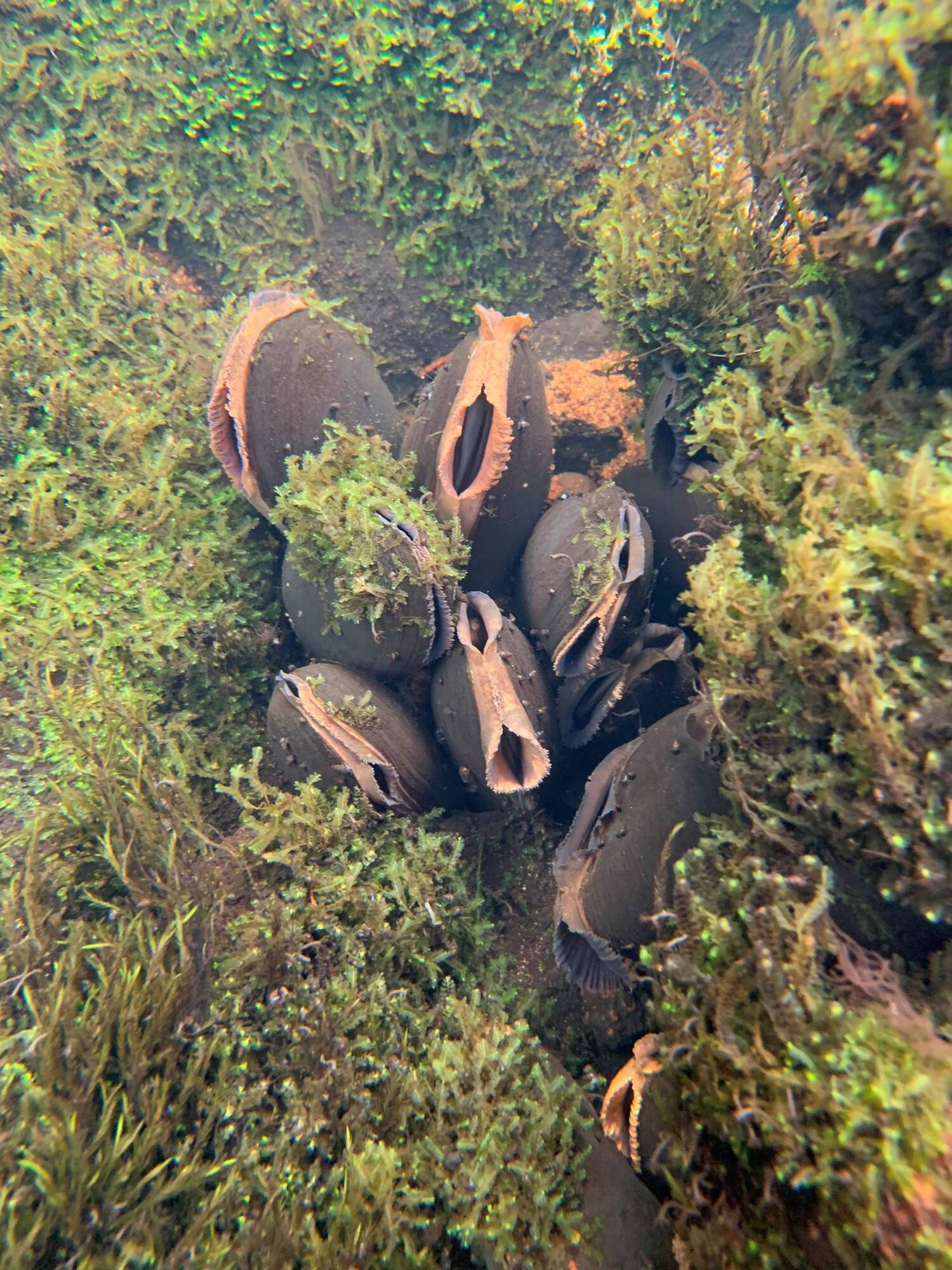
Locals in Co Kerry’s Iveragh Peninsula have been praised for their efforts to save the very rare pearl mussel aquatic species.
“I want to pay tribute to the KerryLIFE team and the local communities who came on board with this project, and to thank the farmers and foresters who got involved”, said minister of state for heritage and electoral reform Malcom Noonan.
“They have made genuinely significant and impactful changes that will inform our work to conserve the precious pearl mussel in the future.”
Agri initiative
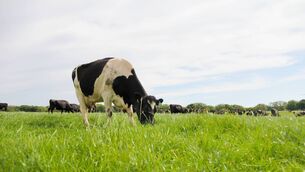
The KerryLIFE agri-environmental initiative operated between 2014 and 2020, investing in on-farm works to enhance and protect water quality in the Blackwater and Caragh river catchments (these two river systems are home to almost half of Ireland’s population of freshwater pearl mussels, which need pristine water quality to survive).
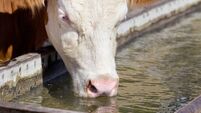
Farmers fenced off river courses, installed drinking troughs, and allowed nature to flourish.
Working with the KerryLIFE team and the National Parks and Wildlife Service (NPWS), they blocked drains in order to prevent sediment washing into the rivers.
Techniques to restructure forests were also tried across 220 hectares of public and private land in the catchments.
Embracing science
Project manager Richard O’Callaghan paid tribute to the local community for embracing the science relating to aquatic systems.
“Ideas and initiatives implemented by farmers and foresters during this demonstration project underpin their ongoing commitment to conserving our natural heritage,” he said.
“The lessons learned here will inform freshwater pearl mussel conservation activity across the EU for years to come”.
KerryLIFE was co-funded by the European Union’s LIFE Programme; the Department of Arts, Heritage and the Gaeltacht; the Department of Agriculture, Food and the Marine; Coillte; Teagasc; and the South Kerry Development Partnership.
Survival
Mr Noonan said the mussel’s survival in Iveragh is testament to the local people, particularly the farming community, who have worked hard to protect their important local ecosystem.
“Over the years and decades, land-use policies relating to farming and forestry have varied considerably,” he said.
Many of those policies were born out of social and economic needs as we saw them at the time, and based on our understanding of our environment at that time.
“Today though, perspectives have changed, laws have been strengthened, our knowledge has improved, and of course there is also a much greater interest in nature and environment than perhaps there used to be.
“I’m committed to using my time in office to promote and support collaboration with landowners and local communities on science-led action, to ensure that we make further improvements.”
KerryLIFE
He was speaking at the announcement of results of an independent external evaluation of KerryLIFE.
The evaluation was commissioned by the NPWS at the Department of Housing, Local Government and Heritage. It was undertaken by an independent team of three researchers: Caroline Crowley, Karen Keaveney, and Breandán Ó Caoimh.
Dr Keaveney, head of subject for rural development and Assistant Professor in the School of Agriculture and Food Science, University College Dublin, said: “Initiatives such as KerryLIFE need to be fully mainstreamed. Our ecology, particularly in our upland communities, is a strategic resource, and farmers need to be fully and properly paid for conserving biodiversity.
“The European Commission’s current proposals for a greener and fairer Common Agricultural Policy are long overdue, and all member states need to fully support them.”
The evaluation report highlights the importance of upland areas as refuges for biodiversity and as strongholds of indigenous farming practices and place-based traditional knowledge.
It notes the importance of including everybody in the local community — farming and non-farming — in supporting agri-environmental initiatives.
The report calls for proper investment in upland communities and services, including nature conservation, and it states that urban and lowland communities depend on the wide range of ecosystem services that Kerry’s uplands provide.
The authors recommend paying farmers adequately for ecosystem-service provision and developing comprehensive markets for their produce through creating a model of farming built on a foundation of sustaining nature and farming households in high nature-value areas.
In the context of the current CAP talks, the report points to the merits of the European Green Deal and the current EU Commission’s CAP proposals, particularly front-loading and convergence.
The evaluation event was also addressed by Jimmy Deenihan and Eileen O’Rourke of UCC.

Looking for a thoughtful gift?
Irish Examiner Gift subscriptions are now available.
Already a subscriber? Sign in