Why Irish dairy is set to change once again
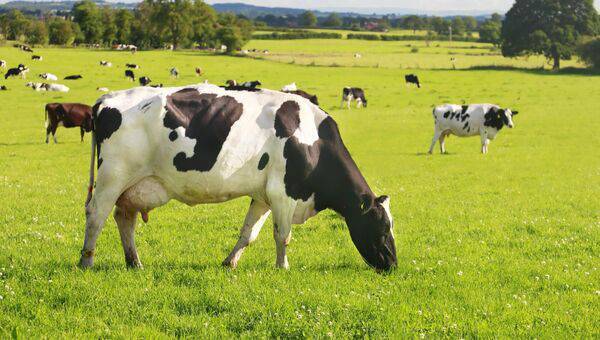
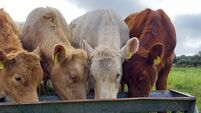
There is a demand now for a more environmentally-friendly dairy sector. File Picture.
Irish dairy has achieved a lot over the last ten years.
Having had over 30 years of milk quota restrictions, Irish dairy farmers responded to the expansion opportunities that were presented when the quota system began to be wound down.
With the removal of quotas in 2015, the growth in milk output that has occurred has surpassed that of anywhere else in Europe.
Looking back over the last decade growth in Irish milk production of over 50% has been achieved through a combined increase in national cow numbers and the average milk yield. Fat and protein levels have also improved.
While there has been only a modest change in the number of dairy farms in the last decade, the average herd size has grown considerably.
The average Irish dairy farm now has more than 80 cows, with many farms having in excess of 100 cows.
Irish milk yields still remain on the low side compared with many of our international competitors in Europe.
However, low yields are a consequence of the Irish milk production system, which favours grass and silage over concentrate feeds, in order to control costs and limit the requirement to purchase inputs.
While milk prices and input prices have continued to remain volatile, there has been a clear upward trend in the average dairy farm income in Ireland in the last 10 years. Against that, the workload on farms has also increased considerably.
Looking back over the last decade, there have been some surprises that were not anticipated, but the dairy industry has successfully come through them.
Three challenges that stand out are the drought conditions of 2018, the uncertainty created by the Brexit negotiations and the difficulties presented by Covid-19.
In all three cases, the sector at farm and processing level has reacted positively, demonstrating the resilience of the sector to unanticipated challenges.
New challenges lie ahead and the next one is a big one. Dairy now faces a range of environmental pressures.
At EU level, these challenges come in the form of the European Green Deal and the EU Farm to Fork Strategy, and at national level, the Climate Action Bill is currently going through the Oireachtas.
Improvements in terms of greenhouse gases emissions, water quality, and biodiversity are just some of the areas that will require attention at farm and overall industry level.
The demand for a more environmentally friendly dairy sector is not just confined to policy developments, it is also coming from consumers themselves, with more and more of them keen to understand where their food has come from, how it was produced and what it contains.
The recently launched Teagasc Signpost Farms programme will assist farmers in addressing the changes that will be required to meet these environmental and consumer demands.
With high-quality research, the right technologies, appropriate education and the best strategies, the sector can continue to have a bright future.
- Trevor Donnellan is Head of Economics & Surveys at Teagasc