Do we value our waters? It’s the fundamental issue
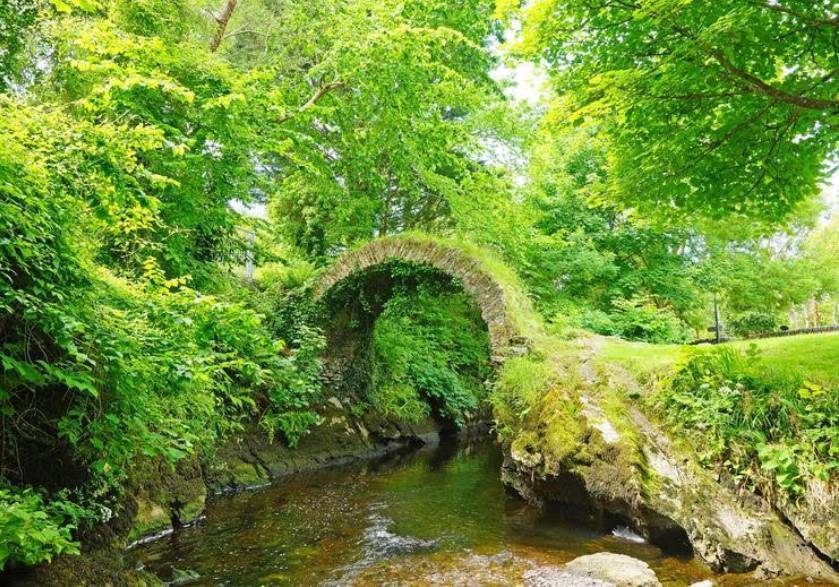
Farmers have a crucial role to play in achieving good quality water in Ireland. File Picture.
“Agriculture has a crucial role to play in good water quality. Unless Ireland is successful in this area, the country is not going to address its water and biodiversity problems.”
This is what a recent Signpost webinar presented by Teagasc in collaboration with the National Rural Network (NRN); Food and Drink Ireland Skillnet; and Dairy Sustainability Ireland heard.
Border and Western Regions Regional Co-ordinator for the Local Authority Waters Programme (LAWPRO), Bernie O’Flaherty, who has been working with farmers and rural communities for over 30 years at the coalface of water quality in Ireland, asked the question, how do we value our water?
LAWPRO is a shared service working with the 31 local authorities, relevant State agencies, stakeholders and communities to meet the requirements of the EU Water Framework Directive to have all natural waters at a good standard by 2027.
Key Water Framework Directive aims are:
- Expanding water protection to all waters, surface waters and groundwater.
- Achieving “good status” for all waters by a set deadline.
- Water management based on river basins.
- Combined approach of emission limit values and quality standards.
The status of Ireland’s rivers is used as a proxy indicator to monitor progress towards the UN Sustainable Development Goals, the set of 17 goals to end poverty, protect the planet, and ensure prosperity for all.
Each goal has specific targets to help achieve the agenda by 2030, and Goal 6 aims to ensure availability and sustainable management of water and sanitation for all.
In Ireland, the Environmental Protection Agency (EPA), local authorities, Inland Fisheries Ireland, and the Marine Institute monitor water quality for the WFD programme. The challenge, says Bernie, is “valuing and understanding water”.
She adds, “There is a fundamental issue with regard to how we as a society understand and value our waters. That will have to be worked on, if we are to bring about the changes needed.”
From 2007-2018, there has been a decline in ‘high status’ waters, and ‘poor quality’ water is increasing.
Environmental Protection Agency (EPA) analysis shows that excess nutrients is the number one pressure on water quality, followed closely by organic pollution and morphology (the shapes of river channels and how they change in shape and direction over time). Morphology can be affected by human interaction.
Where pressures are identified in an agricultural setting, they are referred onto Teagasc, and farmer engagement takes place to find solutions.
An integrated management approach will help to solve some of the problems, along with collaborative and co-ordinated responses.
For example, the Inishowen Rivers Trust in Co Donegal established the River Guardians Programme, helping farmers and rural dwellers to develop skills and knowledge around rivers. Through course subjects such as bank erosion control and hydromorphology, people learn how rivers work.
Riverfly Monitoring has been adapted by the Trust for biological monitoring of rivers.
Volunteers kick the stream bed, and catch the disturbed mud and stones in a net.
When washed into a tray, a whole myriad of river creatures can be found.
These ‘riverflys’ are indicators of the health of the stream.
Some will only live in clean waters, whereas others can survive in polluted waters.
Trained volunteers can score the quality of the stream based on this simple test.
The results are sent back to the Inishowen Rivers Trust , where they are kept on record and can provide clues as to river problems.
Read More