Variation in grass growth and feed supply is inevitable...
'It is important that farms plan ahead for adverse weather events' 
Variation in grass growth and feed supply is inevitable...

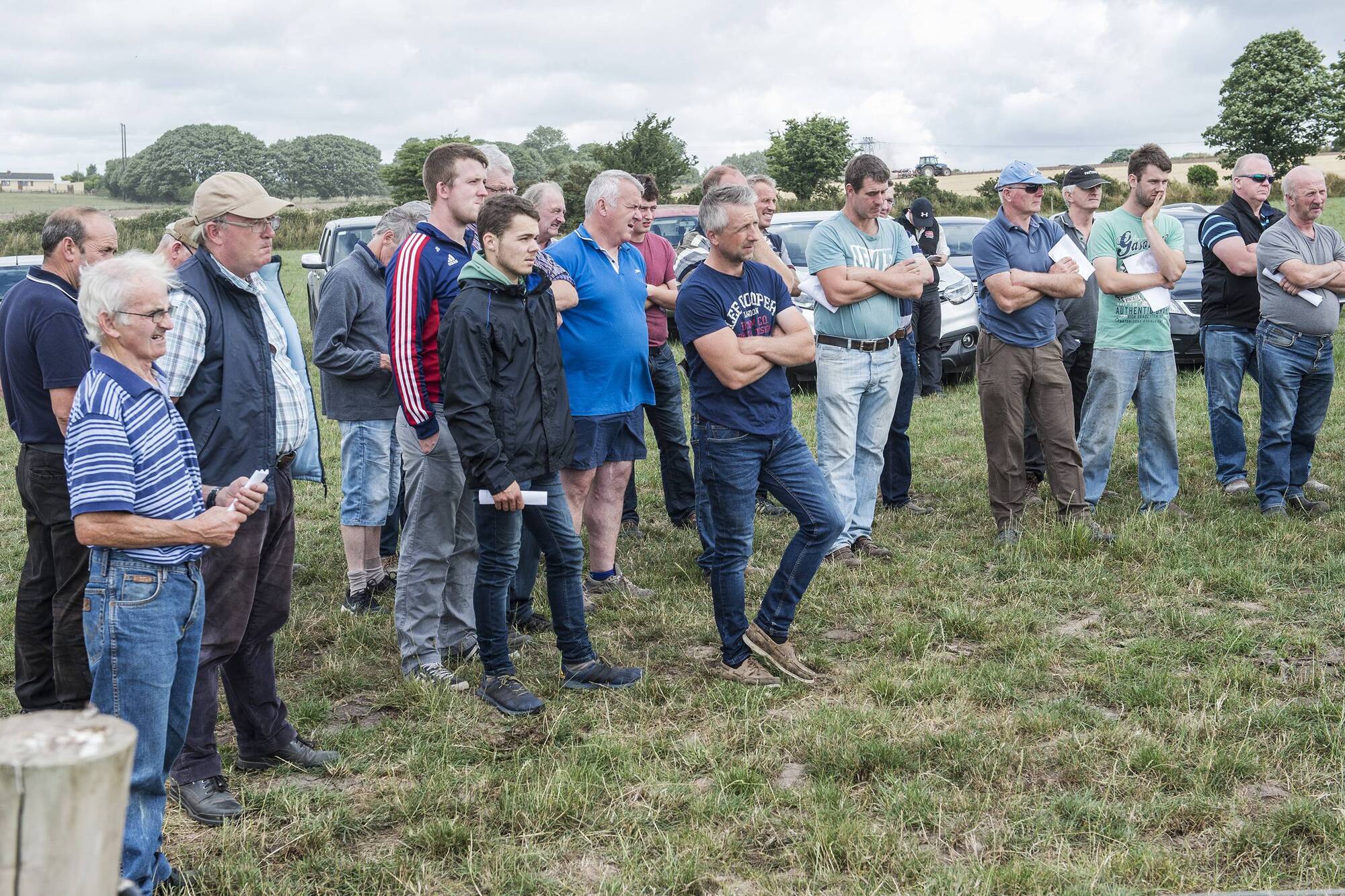
Some of the attendance at a Teagasc/Dairygold farm walk in August, 2018, where infrastructure, water, drought management and winter feed were the topics.Picture: O'Gorman Photography.

Variation in grass growth and feed supply due to weather conditions is inevitable in our ruminant farming systems.

A prolonged period of adverse weather will test the resilience of the whole farm system.

It is important that farms plan ahead for adverse weather events.

Teagasc has identified steps to be taken at farm and industry level in this regard.

These include:

  • Building an appropriate rolling reserve into farm fodder plans;
  • Increasing feed storage capacity on farms (silage pits and effluent systems;
  • Promoting grass measurement and feed budgeting;
  • Improving the quantity and quality of winter feed through improved soil and sward management;
  • Developing an early warning system of potential feed deficits via national fodder surveys;
  • Defining the correct farm stocking rate for different levels of pasture growth;
  • Putting in place the required grazing infrastructure to promote grass utilisation;
  • And putting in place the required yard infrastructure to deal with adverse weather conditions.

A detailed discussion on the actions required for each of these key elements is available at www.teagasc.ie/publications on the Teagasc website.

Key measures

n Building a feed reserve: prolonged adverse weather in 2017-2018 saw severe winter conditions, followed by a drought that reduced annual grass growth by approximately 25%.

To cope with such deficits, Teagasc recommends that farms factor a silage reserve of 400kg of dry matter per livestock unit into their plans.

That is equivalent to two bales per head, or about one month’s feeding for a mature cow, and should be added to normal local guidelines.

This level of reserve represents a practical compromise between feed security and the cost of making and storing additional feed.

Farmers can consult their Teagasc advisor to devise the best way of building reserves for their own circumstances.

It is important to note that delaying the first cut date to “bulk up” crops is unlikely to be successful in building reserves.

This practice reduces annual silage yield and quality and increases the need for winter supplementation.

Maximise yield and quality by better management of the sward.

Having adequate fodder storage space is critical for managing reserves. Investment in these facilities has been low recently.

Teagasc recommends forage storage costs be factored into any farm development plan where annual feed demand is increased.

  • Grass and feed budgeting: this provides valuable management information for the farmer.

The number of farmers using PastureBase Ireland continues to grow, with 2,600 farmers completing regular grass covers in 2020.

Teagasc advisors, along with the Grass10 team, offer training courses to promote grass measurement.

This is a critical step in improving the overall feed resilience of our farms.

New features in PastureBase include winter feed budgeting and fertiliser management.

Farm stocking rates can be optimised when a clear picture of grass productivity/ha is established.

PastureBase provides data on national pasture growth trends via social and national media outlets.

  • Fodder survey early warning system: a fodder survey is conducted each July by Teagasc advisors, using PastureBase to record information. 

In 2020, despite an overall positive feed security position, some 9% of dairy farms had a deficit of more than 20% of winter requirements.

Similarly, 12% of drystock farms had a deficit over 20% of winter requirements.

There was no clear pattern of scale, location or enterprise to characterise farms with large feed deficits.

This indicates that individual management decisions were the primary factor determining feed budget balances.

Such farms will face feed problems in years of tighter national supply.

These farmers should develop plans to improve pasture productivity and/or adjust whole-farm stocking rates.

  • Farm infrastructure: adverse weather events impose additional management pressures. Putting adequate infrastructure in place can help mitigate the impact. This must be done in a cost-effective manner that balances risk and utility.

Priority may be given to backup electricity supply, protection of water system and fittings, or improved traffic accessibility.

Providing sufficient linear feed space per head simplifies feed supplementation during periods of low grass availability.

Additional slurry storage reduces pressure, while potentially improving nutrient use efficiency.

For grazing, poor ground conditions can be partially offset by well-designed paddock and road networks with multiple access points.

All such developments come with high capital costs, and the decision to invest will depend on individual farm circumstances.

There are clear benefits to be gained from having measures in place to increase resilience against weather shocks.

Teagasc advisors are available to assist in identifying the best options for clients on a case-by-case basis.

  • Michael O’Donovan, research officer; Joe Patton, dairy specialist; and Siobhan Kavanagh, Waterford/Kilkenny regional manager


More in this section

Farming

Newsletter

Keep up-to-date with all the latest developments in Farming with our weekly newsletter.

Cookie Policy Privacy Policy Brand Safety FAQ Help Contact Us Terms and Conditions

© Examiner Echo Group Limited