Minister asked to intervene in EU animal medicine row
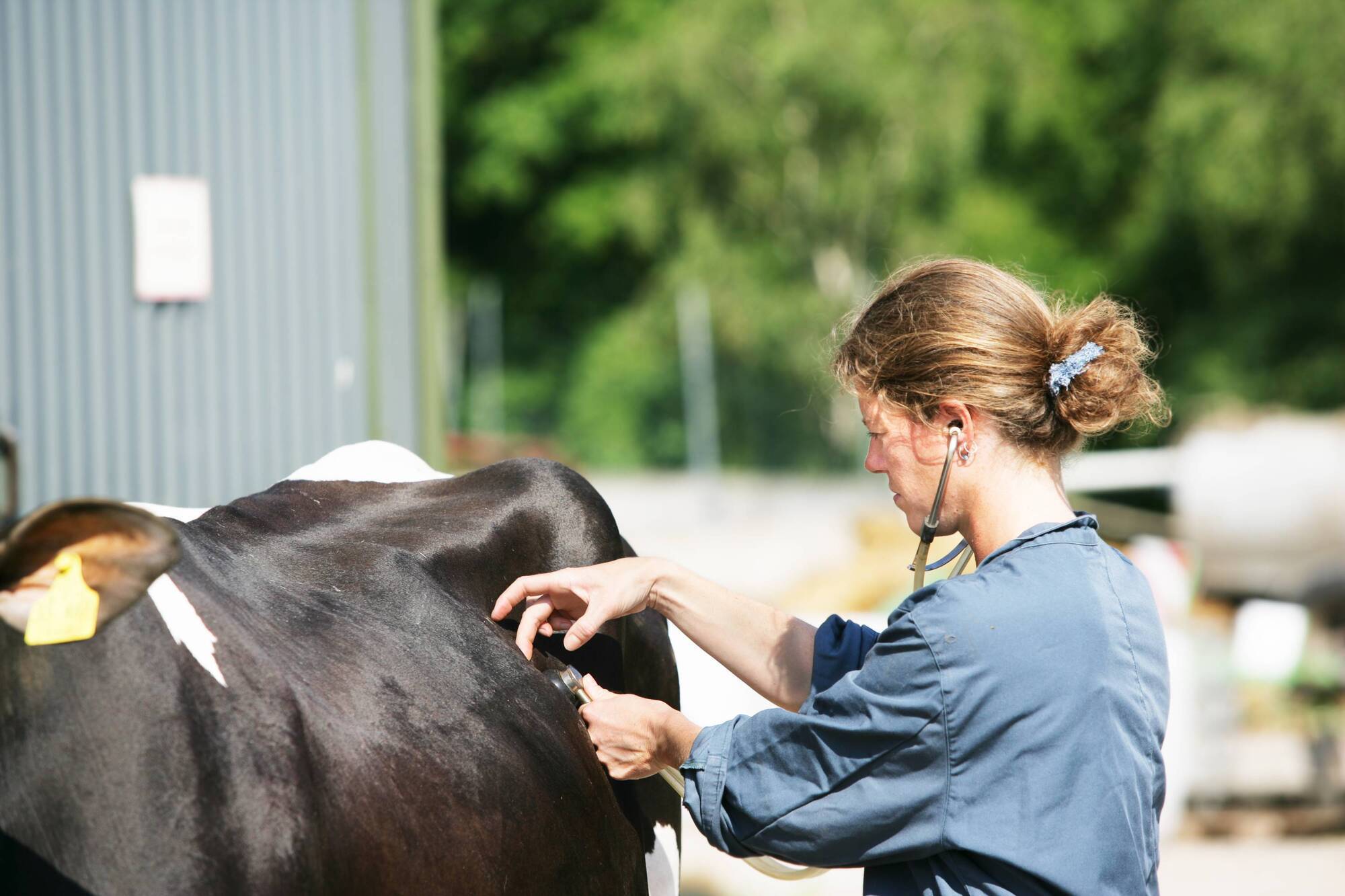
ICMSA says the new EU regulations on animal medicine will make matters worse for Irish farmers. File Picture.
The Minister for Agriculture, Food and the Marine, Charlie McConalogue has been asked to intervene in a row that has escalated over the new EU veterinary medicine regulations that are due to come into force in January 2022.
Farmers fear that when the new rules are implemented, they will face increased costs and lose key services.
A war of words over the animal medicine rule changes escalated in March when the representative body of veterinary surgeons said that distance prescribing of antimicrobials led to imprudent and excessive use, often a blanket approach, and rarely with follow-up on usage and success of treatment.
The President of ICMSA, Pat McCormack has subsequently called on Minister McConalogue to intervene and “radically revise” the implementation of the new veterinary medicine regulations.
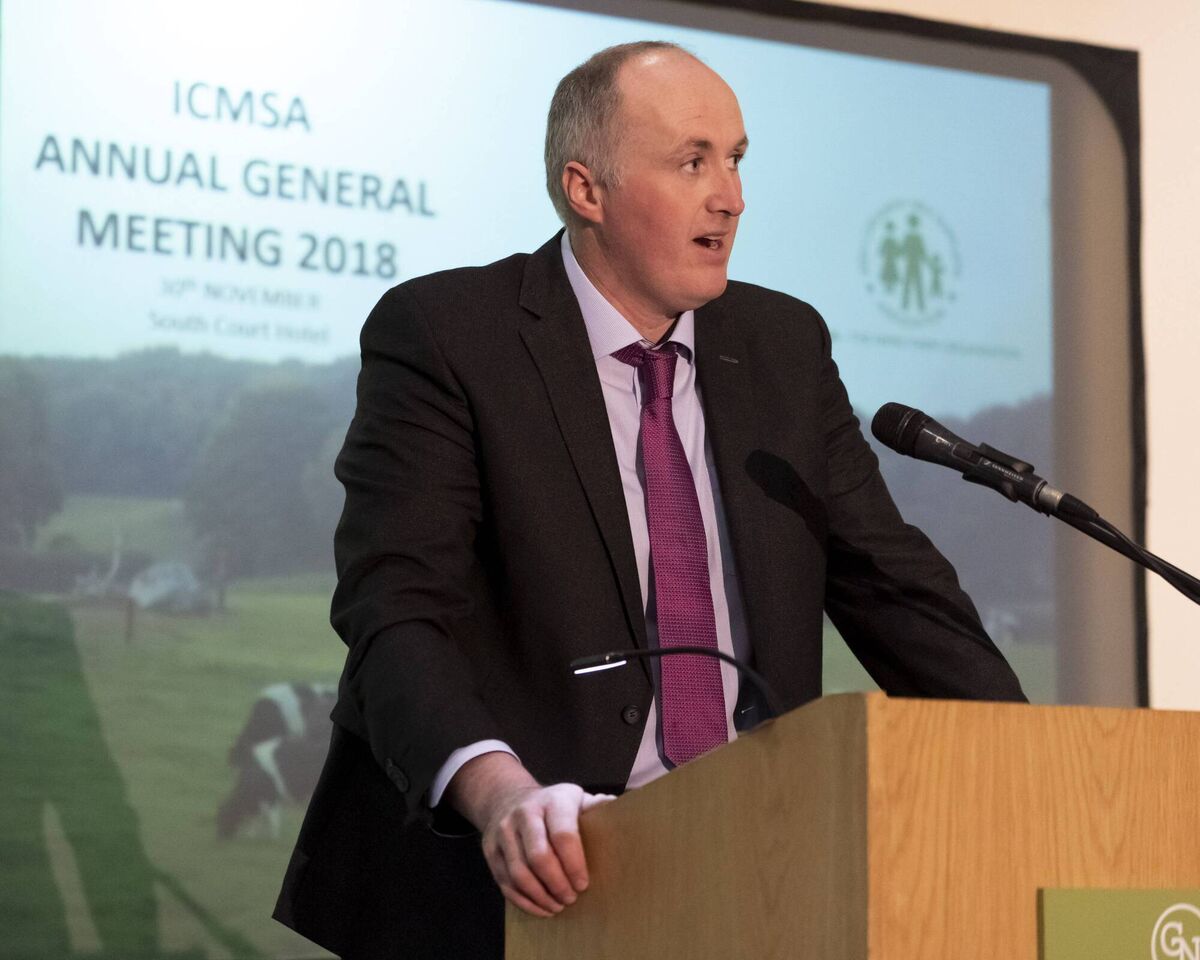
Mr McCormack said that farmer concerns around the cost, efficiency and administrative workload of the new regulations were growing daily and were “very well justified”.
“We have to say that this looks very like another case of bureaucrats - who have no practical experience of looking after animal health - telling both the farmers who own the animals, and the vets who treat the animals, what they’re doing wrong,” he continued.
“I want to be fair to the civil servants who drew up these regulations and I’m going to say that they obviously mean well.
“But the net effect of these new regulations will make it more difficult for farmers to access and assess veterinary medicines in a timely and cost-efficient manner.
“Surely we should be working towards that end?
“The new regulations will not improve the situation; they are not even neutral and they will actually make it worse.
“The Minister must immediately intervene and ensure that common sense prevails.”
Meanwhile, during a recent Joint Committee on Agriculture and the Marine discussion on the regulation of animal medicines, Veterinary Ireland food-animal spokesman Tadhg Gavin said, one of the main reasons for change in antiparasitics rules was because of development of resistance whereby drugs traditionally used on grazing animals no longer worked against parasites.
This natural occurrence, he added, was driven by drug overuse and incorrect use, and due to resistance, some farms are now limited in what drugs will work - which drives cost - because they are often restricted to the newer drugs.
“The level of production they can achieve is reduced, and feed conversion efficiency is reduced, and the animals do not thrive," Mr Gavin continued.
“Animals not being able to thrive is a major cost to farms; we address this by using the right dose at the right time and when necessary.”