Co-operation the buzz word as groups work together to protect pollinators
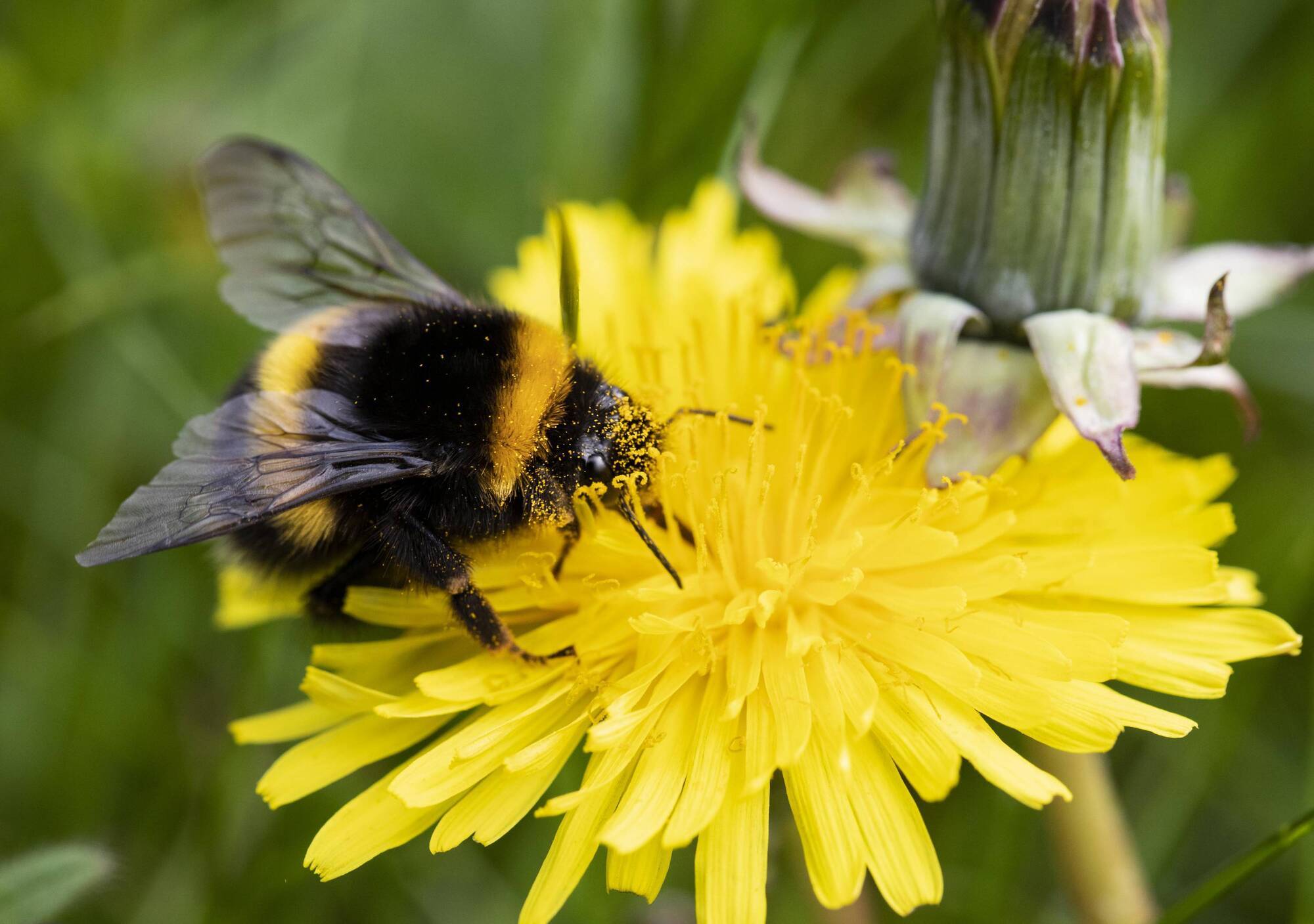
One third of the country’s 98 bee species is under threat of extinction because the amount of food and safe nesting sites has been drastically reduced.
Bees are to be the subject of a buzzing new focus as Ireland tackles the impact of climate change on nature.
One third of the country’s 98 bee species is under threat of extinction because the amount of food (flowers) and safe nesting sites has been drastically reduced.
Actions taken across society during the first All-Ireland Pollinator Plan (2015-2020) led to many improvements for bees, which are the most important pollinator of crops and native plant species and a key component of wildlife.
Thousands of people and hundreds of public, business, community, and other groups voluntarily came together under the plan to help create an Ireland where pollinators can survive and thrive.
A new version of the plan, managed by the National Biodiversity Data Centre, a Heritage Council programme, was launched recently for the 2021-2025 period, with 180 listed goals.
It will build on the work done in the past five years, which resulted in patches of pollinator-friendly habitat being restored in almost every corner of the island.
There are now more native flowering hedgerows, providing a network of wildlife corridors, as many people have embraced the "don’t mow, let it grow" approach.
Species-rich meadows are reappearing in parks and on roadside verges, while tightly-cut lawns are being replaced by wildlife lawns dappled with clover and dandelions.
Towns and villages adopted pollen and nectar-rich planting regimes. There are community orchards and pollinator-friendly railway stations, campuses, schools, and gardens.
Juanita Browne, project officer, said the enthusiasm among community groups for helping biodiversity has been inspiring and has been a real driver of change across the island.
“People’s attitudes are changing. We’re beginning to see that reducing mowed areas or choosing pollinator-friendly planting are just small compromises that produce massive rewards in terms of biodiversity in parks and gardens,” she said.
The NBDC said all 81 actions contained in the first plan have been completed. Pollinators are now better off than they were five years ago, but they are still difficulties and more needs to be done.
NBDC senior ecologist Dr Úna FitzPatrick, who chairs the plan steering group and oversees its implementation, said they want to encourage the restoration of more land for pollinators and other biodiversity in the next phase.
Dr FitzPatrick said having so many organisations voluntarily sign up to the plan signifies its importance and shows the will is there to make it succeed.
“As we look forward to the next five years, we thank everyone who has already engaged. It has shown that by working together we can make changes for the better,” she said.
Professor in botany at Trinity College Dublin, Jane Stout, who co-chairs the group, said the restoration of biodiversity across farmed, natural, and urban landscapes is crucial for sustainable livelihoods and humanity’s well-being.
Actions to protect pollinators across all these landscapes, as outlined in the plan, can help restore other elements of biodiversity, and result in multiple benefits for nature and for people.
For example, pollinators are important for maintaining plant populations that sequester carbon, and protect against flooding, and some pollinators help control pest populations and recycle waste.
Ultimately, pollinators help to ensure the people of Ireland have healthy natural systems to enjoy, promoting our mental and physical health, she said.
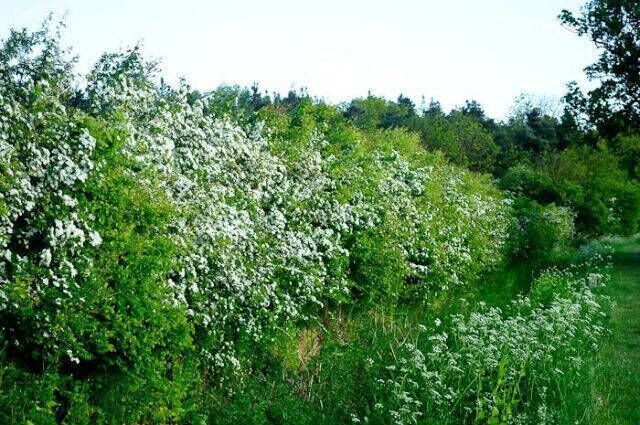
Meanwhile, the National Parks and Wildlife Service has adopted a ‘zero tolerance’ approach to the illegal cutting of hedges during the closed season.
It has also increased conservation ranger staffing resources on the ground and established a Wildlife Crime Unit.
Minister of State Malcolm Noonan said hedgerows are superhighways for nature, a hugely valuable and biodiverse network that extends throughout the country and includes some of the oldest and most well-established habitat in our landscapes.
“The vast majority of landowners are already aware that, while limited exemptions do exist, it is illegal to damage or destroy hedgerows during the breeding season,” he said.
Padraig O’Donnell, NPWS regional manager, said there is a crisis in the countryside, and a zero-tolerance approach had to be taken.
“We’re losing hedgerows forever, and we need to temper it. There are exemptions and not all hedge cutting is illegal. This is not about people clipping a hedge; this is about hedgerow destruction.
“The biodiversity-rich hedgerows in the greater countryside are part of our shared heritage, but these are being destroyed by contractors and landowners and we are determined that this must stop,” he said.
Stressing that the NPWS is on “high alert” for hedgerow cutting and removal, Mr O’Donnell said it is determined to follow up on reports and prosecute where possible.
“Hedgerows which have been growing for hundreds of years around the country are being wiped out.
“These have been growing and supporting huge biodiversity but once they are destroyed, they are gone forever, as is the biodiversity that depended on them,” he said.
Dates for the cutting of hedges are set down in primary legislation under the Wildlife Acts, which prohibit the cutting, grubbing, burning, or destruction of vegetation, with certain strict exemptions, from March 1 to August 31 each year.
Dr Frank O'Mara of Teagasc told an Oireachtas joint committee last month that hedgerows are an important feature of landscapes. Countrywide, they total around 650,000km in length.
They are a huge part of the landscape when one considers that the average field size is somewhere around 2.5 ha. Most field boundaries are hedgerows. They have a role in carbon sequestration and storage, which, he said "would involve making them a little bushier than they currently are while still maintaining their shape and making sure they are effective as stock barriers and shelter belts".