Why creep feed in grazing season?
Grass growth has been slowed by the current cold spell
Why creep feed in grazing season?

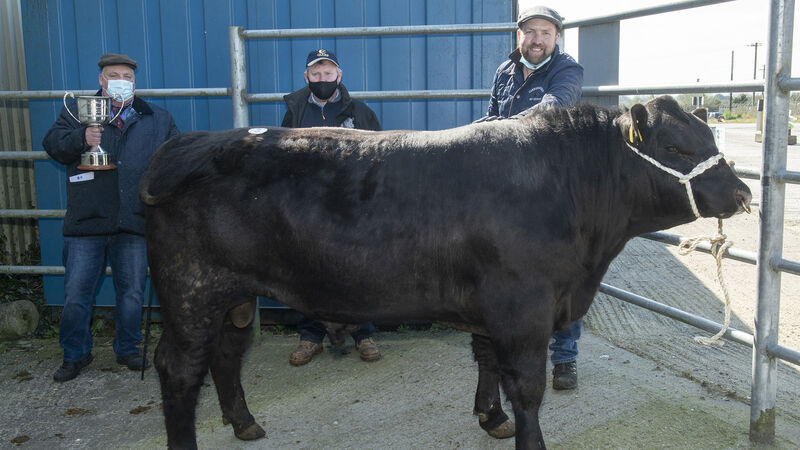
At the Munster Branch Irish Angus bull sale in Kilmallock, Co Limerick, John Appelbe, Clonakilty, right, with Carrigroe Sea Salt, sold for €3,100, the top price at the sale. Included are Richard Smith presenting the Mary F Smith Memorial Cup, and Munster Branch chairman Ray Cronin. Picture: Gorman Photography.  

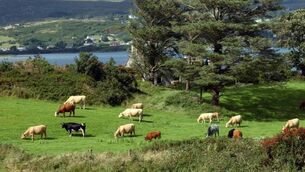
Autumn and spring calving suckler cows are now settled into grazing. 

Grass growth will be slowed by the current cold spell but will hopefully recover further into April.

Ground conditions are very good currently, and with little or no rain in the forecast, this should continue to be the case.

Improving animal performance and profit margins, from optimum grazed grass intake and utilisation, must now be priority for calves under cows.

Understanding the quality and quantity of grass available to cows and calves each day is important to optimise performance. Once you establish grass intakes, you can go about bridging any gap which may exist, particularly to optimise calf/weanling performance.

Creep feeding is the best way to do this.

Creep feeding may not just mean concentrates, it can also be providing fresher grass to calves, in conjunction with meal.

Creeping calves should not just be used to achieve easier, stress-free weaning — which it obviously does.

Many suckler herds will creep feed for much of the grazing season, to optimise weaning weight in both autumn and spring born calves. Weight gain per kg of meal is much higher in these younger animals.

Creep feeding will also takes some pressure off the suckler cow, to aid her fertility performance this spring.

When do you start creep feeding?

Creep feeding should start when calves require additional energy to maintain target weight gains beyond the energy consumed from their mother’s milk and grazed grass.

In cattle with a high weight gain potential, this may occur when the oldest calf is 60-70 days old.

This will also correspond with the breeding season.

Creep feeding also becomes necessary if the quality or quantity of the dam’s milk is poor, or if the grass offered is too mature for calves, or grass is in scarce supply for the herd.

Autumn born calves are now approaching six months old, and will be weaned during the summer.

These will benefit from creep feeding for at least four to six weeks before the intended weaning date.

Forward creep gate

Growing quality grass and using a creep gate to forward graze calves is a good way to maximise weaning weight.

The calves can pick the best quality grass before cows are left access to the paddock.

This strategy needs to be managed carefully, as forcing cows to graze paddocks too tightly could potentially damage their reproductive performance.

Infrastructure will determine whether this is possible or not.

Two calf groups

Some will consider running two separate cow groups, by dividing bulls and heifers prior to creep feeding and weaning.

It may prevent replacements heifers getting over-fat, due to creep feeding, which can reduce their milk production and low productivity, if they are over fed as weanlings. 

Two groups will also help to prevent unwanted weanling heifer pregnancies, as many breeds can reach puberty at six or seven months old.

If running separate groups is not practical, it is important that creep feedin gpromotes frame growth rather than excessive flesh.

Creep ration ingredients

Creep rations should be grain and protein-based feeds. A good quality calf creep should include coarsely rolled grain, a good source of digestible fibre, and ideally hipro soya as a protein source. All these should be supplemented with a quality spec of vitamins and minerals. 

There is no place in calf creeps for filler ingredients.

The cost of the added weaning weight must add to the herd’s bottom line.

In the current climate, it pays to maximise weaning weight through creep feeding, as premium prices continue to be paid for top quality weanlings.

More in this section

Farming

Newsletter

Keep up-to-date with all the latest developments in Farming with our weekly newsletter.

Cookie Policy Privacy Policy Brand Safety FAQ Help Contact Us Terms and Conditions

© Examiner Echo Group Limited