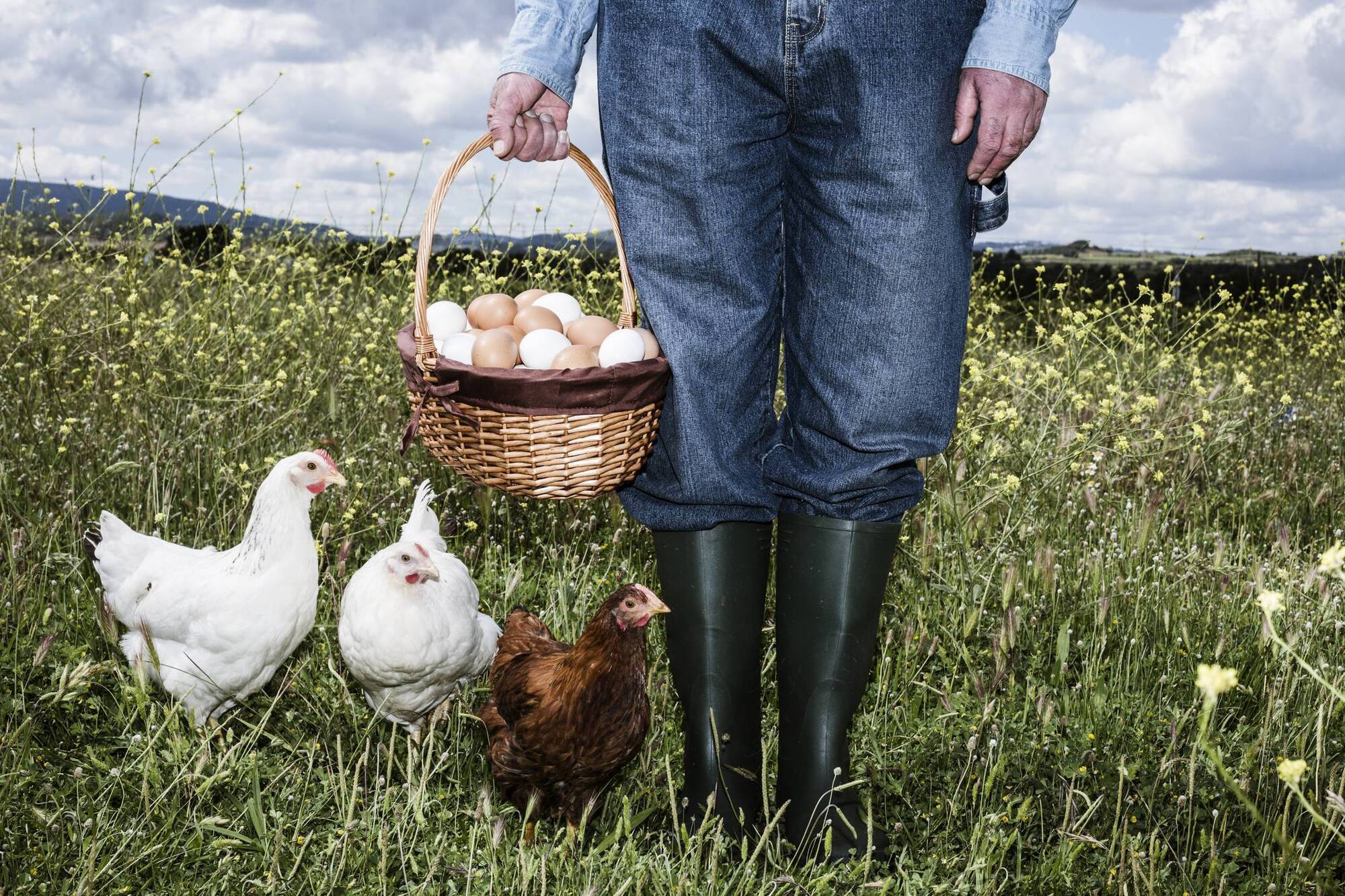
Oscar Wilde said: “An egg is an adventure: The next one may be different.”
Powerhouses of nutrition, eggs also have a special place in the dietary history and ancient folklore of Ireland. That heritage extends from the days when hatching hens were kept under the kitchen table to the modern, regulated, commercial production units.
Over 650m eggs were sold in Ireland in 2020. Despite some changes in shopping and eating habits, consumption has risen by 11%, because eggs are a healthy meal that are easy to cook.
Eggs are excellent value for money. Consumption growth of over 20% during the three-month period from April to July last year reflected an increase in home cooking during Covid-19 restrictions.
According to Bord Bia, traditional cooking methods are still preferred, with one in four persons favouring scrambled eggs, and one in five boiled.
There were also some generational differences, with the research showing Gen-Z's (people raised on the internet and social media) preferring scrambled eggs (40%).
Boiled eggs were the popular choice of baby boomers (born between 1946 and 1964), while millennials (born between 1981 and 1996) equally favoured scrambled (27%) and fried (27%).
Dietician Orla Walsh praises eggs as a “natural fuel for a busy lifestyle” and highlights their benefits as a source of protein and vitamin D.
Ms Walsh said they are also inexpensive and versatile, being eaten for breakfast, brunch, or dinner. Egg muffins are a great batch-cook option for snack time.

Easter and eggs are nearly always mentioned in the same breath. It was a tradition in Ireland to eat lots of eggs on Easter Sunday and Monday.
That practice led to the mass production and marketing of a different type of egg: gift-wrapped and chocolate.
In Ireland, a country with a population of two million hens, there are regular reminders that eggs are not just for Easter.
Consumers are frequently urged to ‘Crack On’ and to always look out for the Bord Bia Quality mark, indicating that the eggs are produced to the highest standards and verified at every stage.
The key aspects of egg production covered in the code of best practice include flock sourcing, hygiene, disease control, welfare, and environmental protection.
Animal welfare
With a growing public interest in the welfare of hens, the Irish Society for the Prevention of Cruelty to Animals (ISPCA) called on the Government two years ago to ban or phase out the use of cages for laying hens by 2025.
The ISPCA said it was not against egg-farming. However, better living conditions for hens meant better-quality eggs, which commanded better prices and offered consumers a heathier product.
The annual World Egg Day, in October, is used by producers and businesses to promote the benefits of eating eggs and to showcase the important place they have in human nutrition.

China produced 466bn eggs (34% of world production) in 2018, far ahead of the EU, the US, and India.
The industry in Ireland is resilient, but it is faced with major challenges, including the threat of bird flu.
The latter led to poultry owners culling 600,000 birds in 13 flocks in Monaghan last year, resulting in an egg-production shortfall.
Two new outbreaks of bird flu were confirmed at a broiler farm and turkey-breeding facility in England in the past 10 days.
Divided into four varying intensities — enriched cages, barn, free range, and organic — the industry in Ireland has grown substantially in recent years because of an increasing population and a demand for protein foods.
Eggs remain a continuing feature of the Irish diet, with consumption increasing after campaigns by Bord Bia and the industry to highlight their nutritional benefits and versatility, and with expert health assurances that they are safe to eat.
Folklore and superstitions
But eggs also figure largely in Irish folklore and superstitions. There are many accounts of how people placed eggs in their neighbour’s cow sheds and fields, especially on May eve, wishing ill luck on their neighbours, livestock, and crops. It was a practice known as pishogues.
There were other, more benign practices. Thirteen or fifteen were regarded as lucky numbers for a clutch, but exchanging hatching hens was deemed to be unlucky.
And people never counted their chickens before they were hatched — advice still offered in all sectors of modern society.

Today, the focus is all on nutrition.
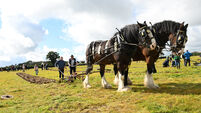
In 2018, personal trainer, Roz Purcell, the Limerick All-Ireland winning hurler, Cian Lynch, and World Cup women’s hockey silver medallist, Nikki Evans, joined with Bord Bia to highlight eggs as a meal beyond breakfast and to help everyone enjoy a healthier lifestyle.
Cian Lynch said eggs are easy and quick to prepare and are a great option for athletes, who are consistently training and keeping up with busy personal and work schedules.
His fellow Limerick man, the late Frank McCourt, the Pulitzer Prize-winning writer, would surely have agreed, because he has left us with well-crafted words of praise for the eggs that continue to tickle the taste buds of millions of people across the globe:
“Oh, God above, if heaven has a taste, it must be an egg with butter and salt, and after the egg is there anything in the world lovelier than fresh warm bread and a mug of sweet, golden tea?”