Giving farmers a bigger say in tackling biodiversity and climate change
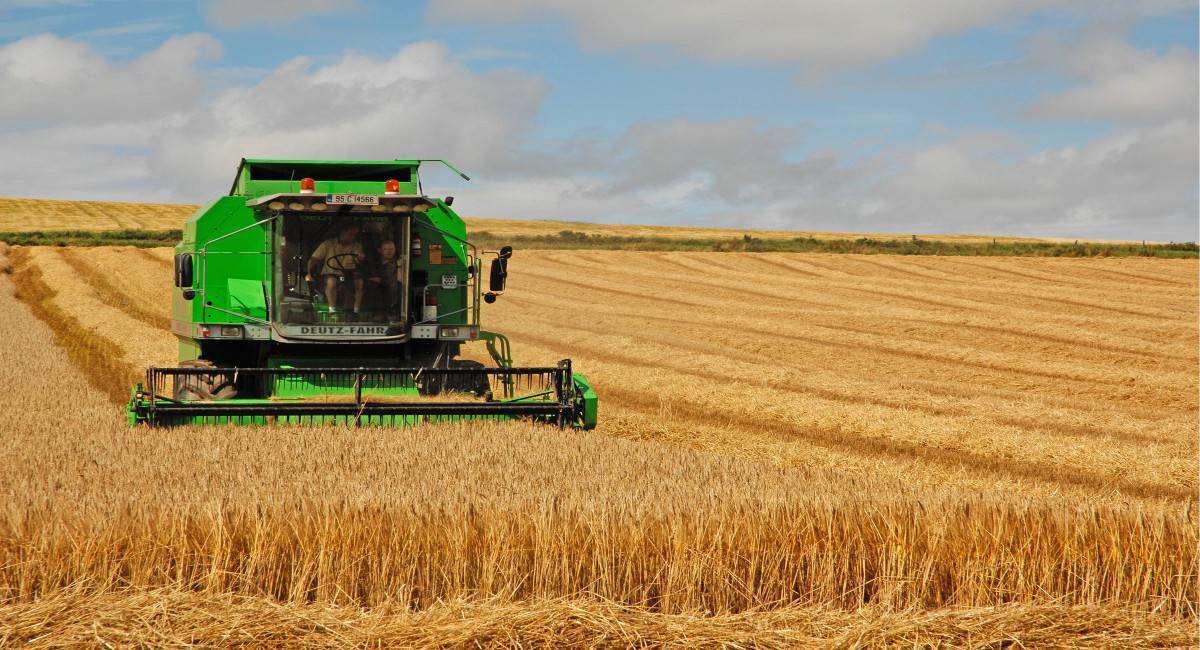
A national initiative highlights the positive role farmers can play in conserving nature on their land
Farmers need to be encouraged to be part of nature rather than apart from it.
Farmers need to be encouraged to be part of nature rather than apart from it.

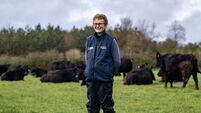
Farming for Nature is a national initiative that highlights the positive role that farmers play in looking after nature on their land. It aims to share their practical insights through a range of short films, podcasts, webinars, and farm walks.

These give them a louder voice in the debate as to how action can be taken at farm level to tackle biodiversity and climate crises in Ireland.

Farming for Nature explains that much of the impetus for its work comes from the experience of working with farmers in the Burren region of Clare.

The project started with a national award to unearth and share the stories of farmers who are making a positive difference to nature on their farms and in their communities.

“We want to show that farmers are a part of nature and not apart from it, and we want to use these positive testimonies to encourage others to follow suit," it says.

"We want to show that farming for nature can also be agriculturally, economically and socially progressive."

Now in its fourth year, the initiative has grown to an active network of over 40 ambassadors scattered across Ireland. They are inspiring many other farmers to take simple measures to enhance nature on their land.

Farming for Nature notes in its mission statement that there is widespread awareness of the environmental damage that can be caused by the wrong type of farming.

Negative narrative

“We hear about it all the time. There isn’t as much discussion of those that are doing a great job farming for nature, about the positive stories, meaning we don’t have many good role models.

"This negative narrative can alienate farmers from nature, making them feel apart from it rather than part of it."

“Encouraging farmers to feel that they are part of the solution, not just the problem, is the first step in a long journey.

“It will require a lot of financial and technical support, new partnerships and new visions. This can hopefully be the start,” it says.

Supported by Bord Bia’s Origin Green programme, Farming for Nature received 48 new ambassador nominations earlier this year for farmers who are going that extra mile for nature.

The nominees will now engage in an indepth interview and judging process so that by late summer a shortlist of 2021 ambassadors will be compiled.

Co-ordinator Brigid Barry said it received the nominations through a panel of over 200 heritage specialists across Ireland. It is currently interviewing each of the nominees and will shortlist these using agreed criteria.

Judges will then visit each shortlisted farm before collectively deciding on this year’s list of ambassadors.

Nominees range from two to 1,700 acres in size, embrace organic and conventional systems, and include beef, lamb, dairy, poultry, and pig enterprises.

Power of partnership

Bord Bia’s Origin Green programme director Deirdre Ryan said the initiative exemplifies the power of partnership and the benefits of knowledge sharing within Irish agriculture.

“The expertise and experience of the FFN ambassadors, and their willingness to share their knowledge with their farming peers, is a great asset to the farming sector,” she said.

One of the FFN founders, Brendan Dunford, said it has been able for the past few years, with Bord Bia’s support. to acknowledge and celebrate farmers across Ireland who are doing great things for nature.

“Seeing and hearing these farmers share their love of nature and knowing that they work daily to make sure nature has a place on their farms, is really inspiring — to me these people are our unsung conservation heroes,” he said.

Each winter and spring, a number of the ambassadors participate in an online series Ask the Farmer. They talk about their farming system and answer questions.

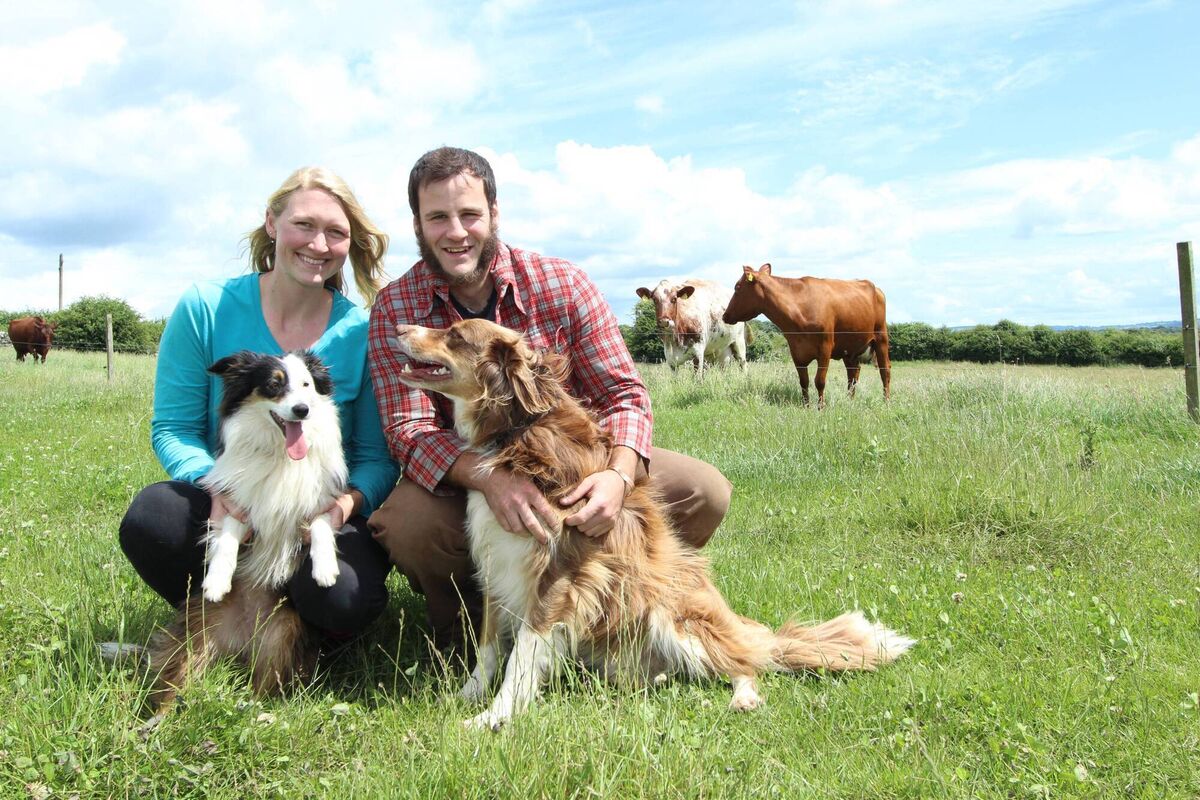
Husband and wife Mimi and Owen Crawford, who operate a 28-acre Organic Trust certified mixed enterprise farm in Cloughjordan, Tipperary, were the latest featured farmers.

Ambassadors Mimi and Owen Crawford.

A combination of local demand and a desire to produce as much of their own food as possible inspired their idea for the farm business.

Their philosophy is to run an economically viable, holistic farm. Their traditional working farm incorporates a modern-day approach that works in harmony with nature.

They milk about 10-12 cows, keep 15-16 pigs a year, roughly 1000 broilers and 30-40 ducks, focusing on their micro-dairy.

Pedigree Irish Shorthorn cows dominate the pastures, producing raw cream, raw butter and raw buttermilk, with all processes completed on-farm.

The Crawfords also engage in 100% grass-raised beef production, raise organic broiler chickens that follow behind the cows in the grazing rotation, have organic ducks for slug control and use organic pigs to assist them to consume excess skim milk.

“We believe Ireland has the opportunity to produce good clean food and we want to be part of that and help others realise that opportunity as well,” they said.

Farm walks

Farming for Nature has also published a list of provisional farm walks schedule for May-October this year, but due to Covid-19 and the uncertainty around the easing of restrictions, bookings will not open until closer to the time.

These walks, which last about two and a half hours, provide an opportunity for the host farmers to showcase their contribution to nature and good practices on their land.

Visitors can view the habitats and species present, as well as livestock or crops, and take part in discussions on how to manage land in support of nature.

Depending on the national restrictions, numbers will be restricted to 15 or 25 people. It costs €10 to register. All funds will be circulated back into the farming community.

The walks are meant to be an interactive knowledge exchange between people with a real interest in farming and nature. They are not suitable for children, or for those looking for an ‘organised walk’ in the countryside.

CLIMATE & SUSTAINABILITY HUB

More in this section

Farming

Newsletter

Stay ahead of the season. Sign up for insights, expert advice and stories shaping Irish agriculture.

Cookie Policy Privacy Policy Brand Safety FAQ Help Contact Us Terms and Conditions

© Examiner Echo Group Limited