PIAs guarantee engagement with decision-makers in debt cases
In one landmark case, the family home was not in negative equity, the farmer and his wife were aged 65 years 
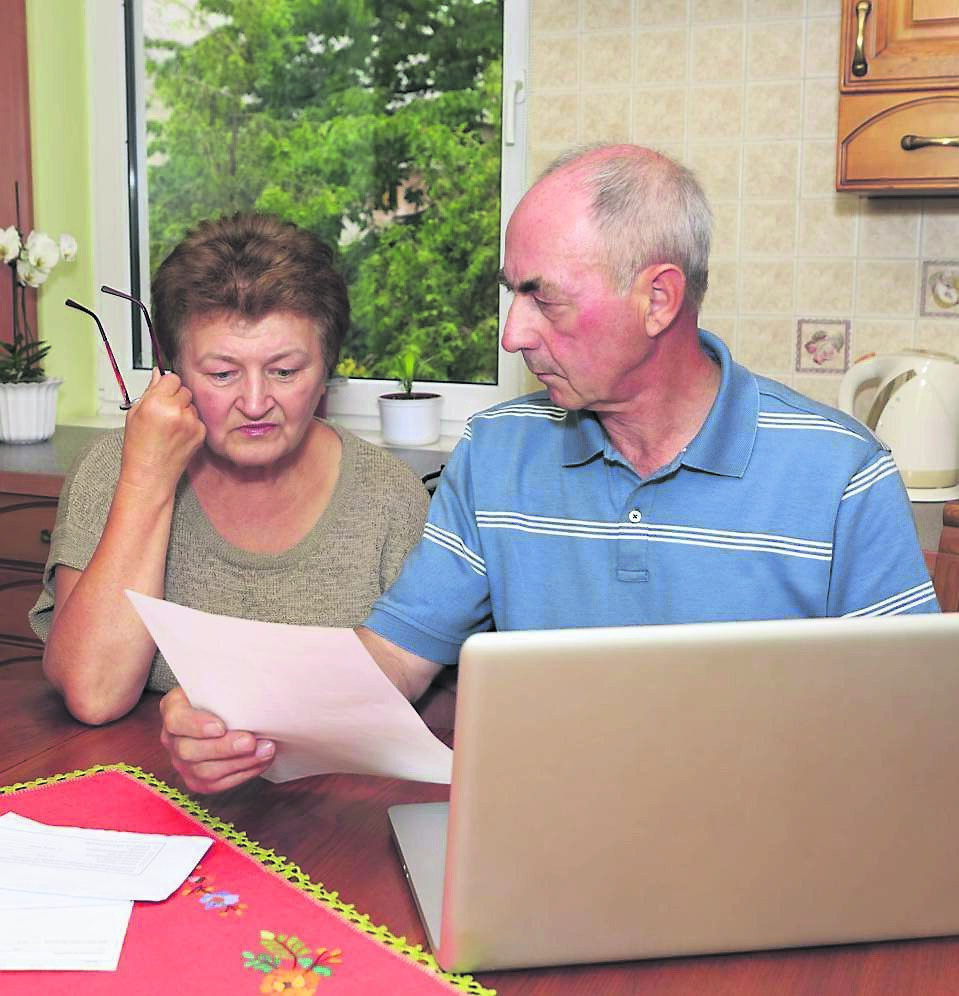
When a personal insolvency arrangement is proposed, bankruptcy proceedings can be halted to allow the debtors take advice from a personal insolvency practitioner. 	Picture: Posed by models

When a personal insolvency arrangement is proposed, bankruptcy proceedings can be halted to allow the debtors take advice from a personal insolvency practitioner. Picture: Posed by models

In one landmark case, the family home was not in negative equity, the farmer and his wife were aged 65 years.

The farmland was in distress but had equity. In this case, not only did the lender appoint a receiver, but it also petitioned for the bankruptcy of the farmer and his wife.

This couple had two options: go bankrupt, in which case everything would be sold, or do a PIA and try and restructure the debt.

The family home was worth €95,000, with a small mortgage of €9,000, meaning there was significant equity in the property. There was 100 acres of farmland worth €700,000. The primary debt of €440,000 was to a bank, and there was a second charge on the land, as well.

There was equity in the land of about €260,000. There were some unsecured creditors, mainly the Revenue, because several years of returns were outstanding. Returns were brought up to date, and the Revenue debt was crystallised.

The farmer had spent several years, using various different advisors, trying to resolve the situation, and the mental drain of it all was debilitating.

A receiver was appointed over the basic farm payment by the bank.

The bank then petitioned for the bankruptcy of the farmer and his wife, because they knew that, in bankruptcy, they would get paid in full.

So, the farmer stood to lose his family home and land.

The solution

A PIA was proposed. The judge adjourned bankruptcy to allow the debtors to take advice from a PIP.

“When I assessed the situation, although the farmer was 65 years, I was able to see that the farm was sustainable, and he just needed time to pay the debt,” said Gary Digney, PIP and accountant.  

“We put forward a proposal to the creditors for payment in full, but we needed 20 years to do that.

“That, of course, would take the farmer to 85 years, and the bank objected. It stated that the proposal was not fair, so we appealed it to the circuit court and, thankfully, the judge ruled that the proposal should indeed be implemented.

“A PIA is a fantastic solution and, in many cases, the only solution. The process guarantees engagement with decision-makers, and the court can overturn unreasonable refusals and approve the proposals. The key to this is the farmer engaging specialist advice from an experienced PIP, to assess the specific circumstances of the case, and bring together a specialist team to utilise the existing legislation to protect the family farm.”

x

More in this section

Farming

Newsletter

Stay ahead of the season. Sign up for insights, expert advice and stories shaping Irish agriculture.

Cookie Policy Privacy Policy Brand Safety FAQ Help Contact Us Terms and Conditions

© Examiner Echo Group Limited