Co-ops can no longer sell NI milk as EU product due to Brexit
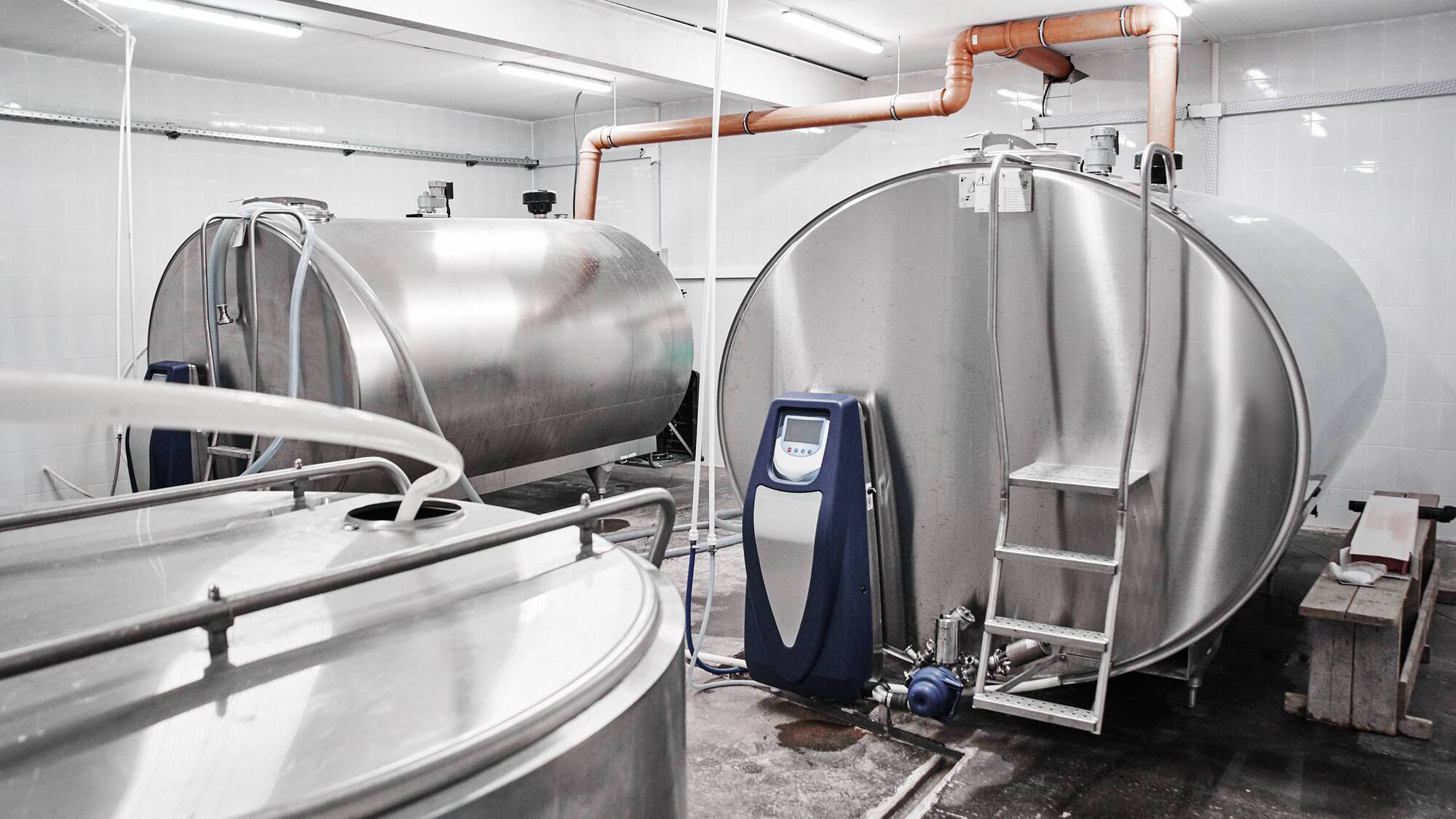
'Northern Ireland and Republic of Ireland milk is all mixed into the one milk pool and separating those two is costly for processors' 
Automated milking machines are now part of the production process. File Picture.  

Automated milking machines are now part of the production process. File Picture.  

Selling Northern Ireland milk as EU milk is the latest Brexit problem being tackled by the Government, after problems arose for co-ops which use 900m litres of milk coming south from Northern Ireland farms to be processed.

Minister for Foreign Affairs Simon Coveney told the Dail: “Lakeland Dairies is probably the best example of a processor which has a very significant percentage of its milk pool coming from the North, but Glanbia and others do too.

“The challenge is that one can sell milk that has been sourced on a Northern Ireland farm across the EU, as if it is produced in the EU, but if one is selling a product that has been processed with that milk pool from Northern Ireland to a third country that is subject to a trade agreement that the EU has put in place, that milk is sourced outside the EU, even though it is at equivalent to EU standard, under country of origin rules. It is seen as UK milk rather than Irish or EU milk.

“The only way to change that is by changing the trade agreements, to insert an asterisk to say ‘EU and Northern Ireland products’ which is something we would like to do. But it will take time, and a lot of goodwill on the EU side, to be willing to do that.

“It does pose difficulties in the meantime, but there is a huge market across the EU, where milk from Northern Ireland will be treated the exact same as EU milk.

“The problem is that Northern Ireland and Republic of Ireland milk is all mixed into the one milk pool, and separating those two milk pools, depending on the markets into which they are sold, is costly for processors.

“We will continue to engage and work with the processing sector, which is a hugely important part of Irish agriculture, to try and find solutions, where possible.

“Under country of origin rules, it is clear that milk originating and produced in Northern Ireland is Northern Ireland milk and therefore UK milk, not EU milk, even though it is produced to the same standards as EU milk under the protocol.”

The “mixed milk” question was raised in the Dáil last week by Tipperary Fianna Fáil TD Jackie Cahill, who said mixed milk products will not have access to EU trade agreements, whether with China, Morocco or other countries, and market supports will also be denied to mixed milk.

“This would prove a serious problem for many of our processors, one of which gets 60% of its milk north of the Border. He said milk processing has operated on a 32-county basis for a long time, with a significant amount of Northern Ireland milk processed in the South.

“It would create great difficulties if that milk did not have the same access to trade agreements and market supports as milk from the 26 counties.

Mr Coveney said: “It is a real problem. I do not want to pretend it will be solved easily.”

He said: “Some of the disruption to the agri-food sector is clearly linked to Brexit, and our key market and nearest neighbour for agrifood products, we sell €5.5 billion of food to the UK every year, has to be factored into the Brexit Adjustment Reserve.

“I hope that part of that €1bn will be earmarked for the agrifood sector.”

More in this section

Farming

Newsletter

Stay ahead of the season. Sign up for insights, expert advice and stories shaping Irish agriculture.

Cookie Policy Privacy Policy Brand Safety FAQ Help Contact Us Terms and Conditions

© Examiner Echo Group Limited