Cheesy does it as dairy firm finds niche in overseas markets
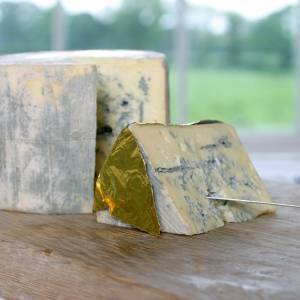
The Little Milk Company was established in Waterford in March 2008 to act as the product development and marketing body for 10 organic milk producers located throughout Ireland.
Collectively, their total milk pool is a very significant 3m/L per annum — the total organic liquid milk market is estimated at 5m/L including imports from Northern Ireland — and the Little Milk Company then began to produce premium cheddars and soft cheeses.
Suppliers are primarily Munster-based, although there are a number of Leinster farms on board too and the company also produces organic cheese and cheese powder which O’Donnells use for flavouring their Cheese and Onion crisps.
“A group of organic dairy farmers came together back in 2008 to try and find a way of adding a bit of value to their milk and get a better, more sustainable price for organic milk,” said Conor Mulhall, company director.
“They discussed the matter, threw in a few pounds and eventually made a few trial batches of cheese.

“A sample was then brought to the Irish Taste Council and it said it was a really good tasting cheese so the farmers decided to get more serious about the product.
"We started making organic cheese around 2012/2013.”
The first batch went on the shelves in Sheridan’s in April 2013 and the company started selling into Irish retail as well as a number of independent stores.
“Then we got a lucky break in the export market in Germany and since then we have realised the value of the organic market off the island of Ireland,” Mr Mulhall explained.
"In Germany, France, Denmark, and America people value organic produce a little bit higher than we do here.
“Conventional Irish agriculture is very green anyway and is seen as clean, green and part of the great outdoors.
“Whereas the countries we are selling into have a more industrialised farming setup where animals are kept mostly indoors.
“The farm may in fact be owned by an organisation rather than by an individual or family — and so the Irish organic message really does resonate overseas.”
Meanwhile, Kerrygold is the great story told and sold overseas and those running the Little Milk Company are conscious of its place in the market “decades before us”.
“We leveraged off that a little bit and when we entered the German market the fact that our produce was Irish, organic and coming from small family farms sold our range of cheeses for us,” added Mr Mulhall.
“We are in about 14 countries world-wide at this stage and the three big markets include Germany, France and the US.”
When Covid-19 hit “the world stopped for a while” but the Little Food Company quickly realised that a new demand for locally produced food was beginning to take hold.
“People started thinking more about the value of their food, what ingredients were in the food and where those ingredients were coming from,” said Mr Mulhall.
“People started making choices about what to cook, sourcing ingredients and cooking in a much slower and creative way and they started to think more about what they were buying when they were in the supermarket.
“When that money is spent locally it means more produce, more jobs and a better quality of life.
“We have seen a demand for our produce here in Ireland since Covid-19 began back in March.”
Meanwhile, the Little Milk Company sells produce at the Urban Co-op in Limerick — a community-based project that sells products from local producers — and not only has sales grown there, so too have those of the co-op.
But Brexit is here now and how does that bode for the company's future?
“We need to not worry about the storm passing but learn to dance in the rain and it’s true,” says Mr Mulhall.
“If we can remember what each of our actions can do, for example, when we are shopping, take five minutes to seek out local Irish produce in the store.
“If you decide to have a craft beer, have one that has been made in Ireland.
“There will definitely be tough times ahead but I think that if we all work together and support each other as best we possibly can, we will come out the other side stronger and more creative in the way that we do things.”