Hedging your bets: Important habitat gives people a sense of place
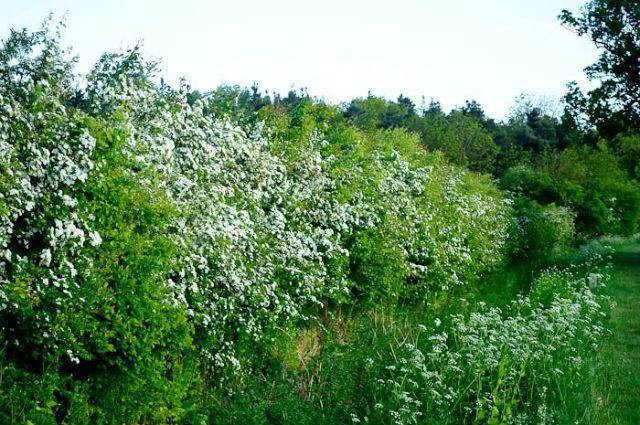
Gardening Column European honey bee Hedgerows provide an excellent supply of food for pollinators
THE post-Christmas lull is normally a time when farmers and others decide to trim hedges before the new growth and the start of the bird nesting season.
Hedges give the Irish landscape its distinctive character and field pattern. And they provide an important wildlife habitat especially for woodland flora and fauna.
They have many biodiversity values including a role in carbon storage and in regulating and protecting water flow and quality.
Hedges also give people a sense of place. And they enrich an understanding of history and folklore from hedge schools and fairy trees to childhood memories.
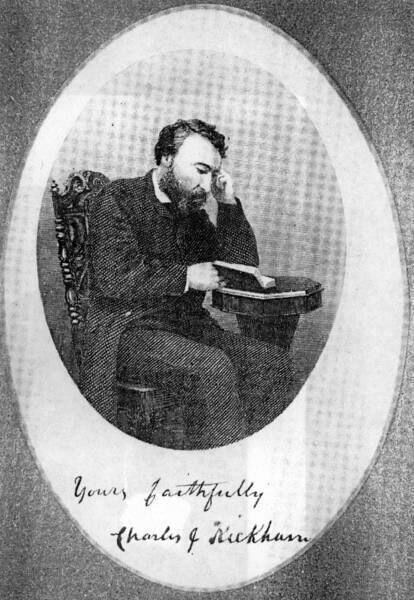
A tree project in Mullinahone, Co Tipperary, links the past and the present and preserves the legacy of Charles Kickham, the writer and patriot.
A draper’s son, he was born in the village in 1825, became a founder member of the Irish Republican Brotherhood, spent years prison in England, wrote the inspirational 1873 novel, Knocknagow and composed what is now the Tipperary anthem, Slievenamon.
After being released from prison, Kickham returned to Mullinahone, where trees planted by the Bryan farming family over 60 years earlier had evolved into a linear woodland intermixed with green pasture.
He regularly walked to these trees on the road to Fethard. His rambles took him along a country road to the townland of Gurteen. His favourite tree was a massive ash. He would sit beneath it for hours, contemplating and writing.
It was named Kickham’s tree after his death in 1882. It became a local attraction over the next century. A bench was erected there in his memory in 1951. A stump of the tree remained. But it was cut down in 1992 for safety reasons.
During the 2019 Kickham Festival, local people examined ways of protecting trees in the area and preserving the legacies left by the Bryan family and Charles Kickham.
It was decided to create a small project to showcase nature, biodiversity, trees, and culture, with the famous writer at its core.
Advice was sought from Donal Mullane, Teagasc regional manager in Tipperary. He brought forestry development officer Michael Somers on board to further develop the heritage project.
It is now a partnership involving Teagasc, the local community, Tipperary County Council and FBD Trust. Planting ash trees at the site to celebrate the 150th anniversary of the publication of Knocknagow in 2023 is one of its aims.
Roadside hedges have been rejuvenated and interweaved with locally sourced hazel rods in the fashion of the hedge-laying practiced during Kickham’s life in Mullinahone.
Ash trees around the area have been badly hit, however, by the dieback fungal disease, first noted in Ireland in 2012.
Many ash forests established since 2000 have been removed. Yet, the ash trees planted by the Bryan family appear healthy and disease free.
As these were planted with the original Kickham tree and probably share the same gene pool, the project will continue to monitor their health status.
Dr Miguel Nemesio-Gorriz, Teagasc Ashtown, contacted Dr Nemesio-Gorriz, who has been to the fore in leading research into selecting and breeding ash trees for resistance to the fungus.
Shoots from the ash trees on the Mullinahone site were collected last February and grafted on to new root stocks in the hope their lifespan will be extended.
Work to promote healthy hedges surrounding the Kickham tree site and encourage biodiversity has also been carried out.
A hedge laying expert, Eoin Donnelly, finished this work early last year. Holly is a dominant species with excellent growth rates in 2020.
Tipperary County Council Heritage Officer Roisin O’Grady also plans to use the site as an educational resource for Tidy Towns and school groups in the county.
Read More
The final phase of the project will be carried out by artist Pauline O’Connell, a PhD Candidate at Universiteit van Amsterdam.
Her previous work includes ‘Drawing the Water’ commissioned by Kerry County Council in 2015, and ‘The Milk Well’ and ‘The Tea Well’ (2017) in Co Leitrim. She will establish an artistic installation to commemorate the site’s past and cherish its future.
The artwork will look at the Bryan’s legacy, Kickham’s literary activities, and how farming and forestry have co-existed in South Tipperary for centuries.
It will be created from natural material and will embody the true spirit of the project. In addition, there will be a small car parking area.
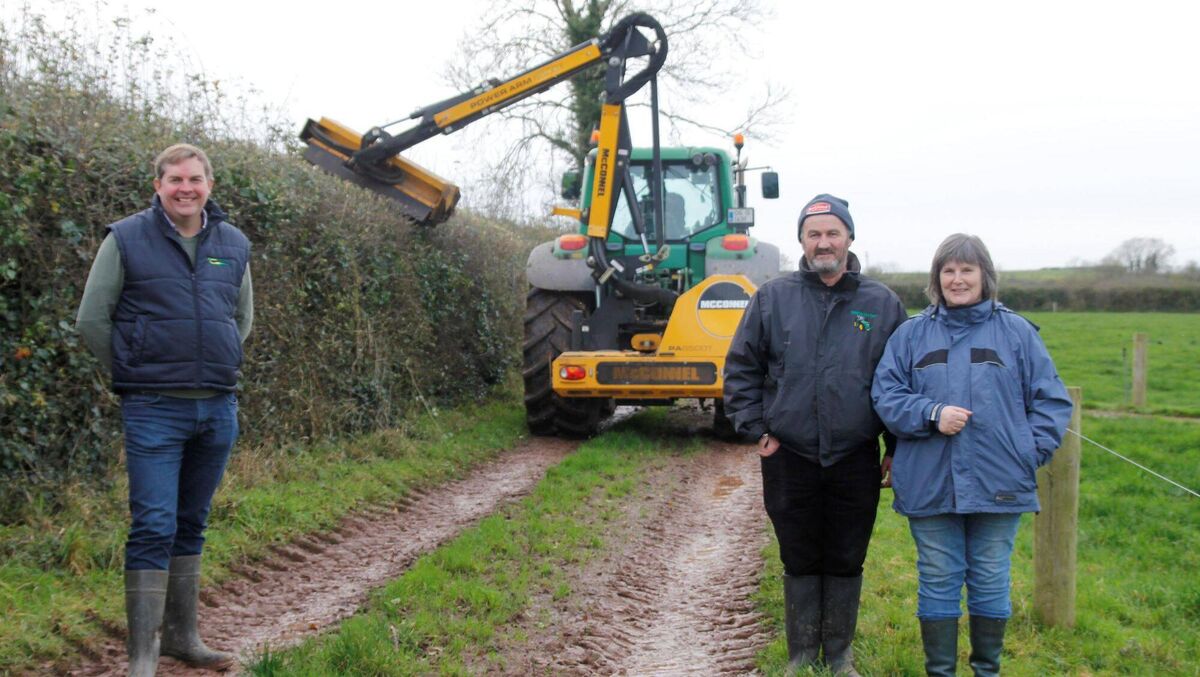
Last month’s Teagasc Hedgerow Week noted that the current generation of Irish farmers have planted some 10,000 kilometres of new hedges, making it the most significant planting in more than 200 years.
Catherine Keena, Teagasc Countryside Management Specialist, said the week would hopefully encourage farmers to establish new native Irish hedges over the coming years, resulting in the enhancement of their farms and the Irish countryside.
The Countryside Bird Survey in Ireland regularly records 110 species of birds during the breeding season. Half of these use hedges, with 35 species needing them for nesting.
Hedges also provide food, shelter, song posts, perching posts and corridors In Ireland for bee species, one third of which are under threat of extinction. About 100 plant species are also found in hedges.
It is accordingly an offence under Section 40 of the Wildlife Acts to destroy vegetation growing in any hedge or ditch or on lands not then cultivated from March 1 to August 31 each year.
Biodiversity and other issues were also examined during Hedgerow Week during while Liam Herlihy, a contractor from Kingsland, Bruree, Co Limerick, and Tony Mullins, Ballybeg, Mitchelstown, Co Cork, were named joint winners of the 2919 Teagasc hedge cutting competition.
But there was a focus too at the end of a challenging year on the Kickham Tree Project that honours a man whose writings lifted the spirits of the Irish people and gave them renewed hope all those years ago.