Radical EU-wide biodiversity policy to transform countryside
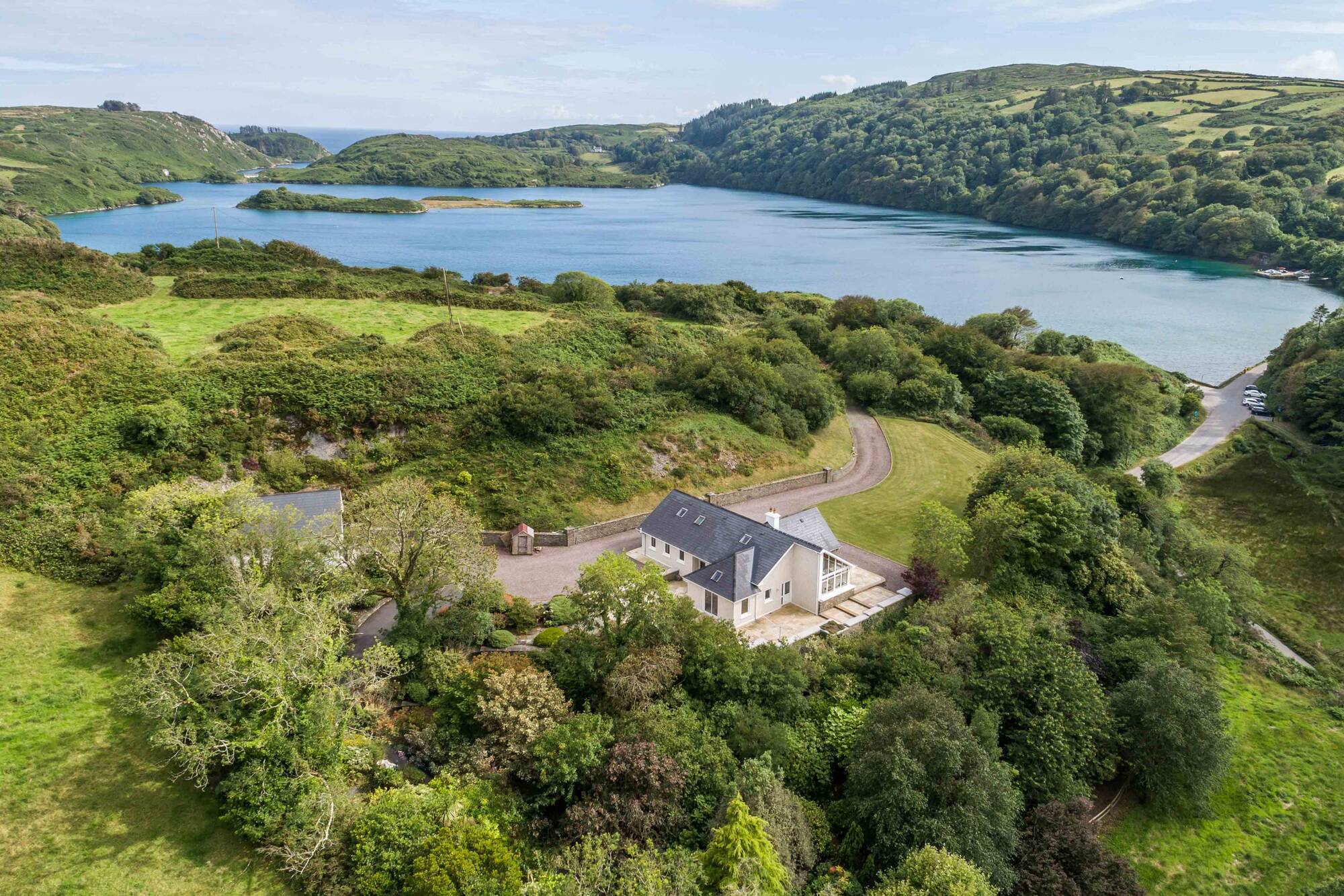
Ireland’s countryside — and many traditional farming practices — are set to undergo a transformation in the next two decades under a radical EU-wide biodiversity policy which will see more trees planted, a 50% reduction in the risk and use of chemical pesticides, more than 20% reduction in the use of fertilisers, and a major increase in the uptake of agro-ecological practices.
The EU Biodiversity Strategy for 2030 has set ambitious targets that will require transformative change if they are to be achieved, with significant areas of degraded and carbon-rich ecosystems to be restored.
As part of the plan, by 2030 natural habitats and species will show no deterioration in conservation trends and status, and, according to the blueprint, at least 30% must reach favourable conservation status or at least show a positive trend.
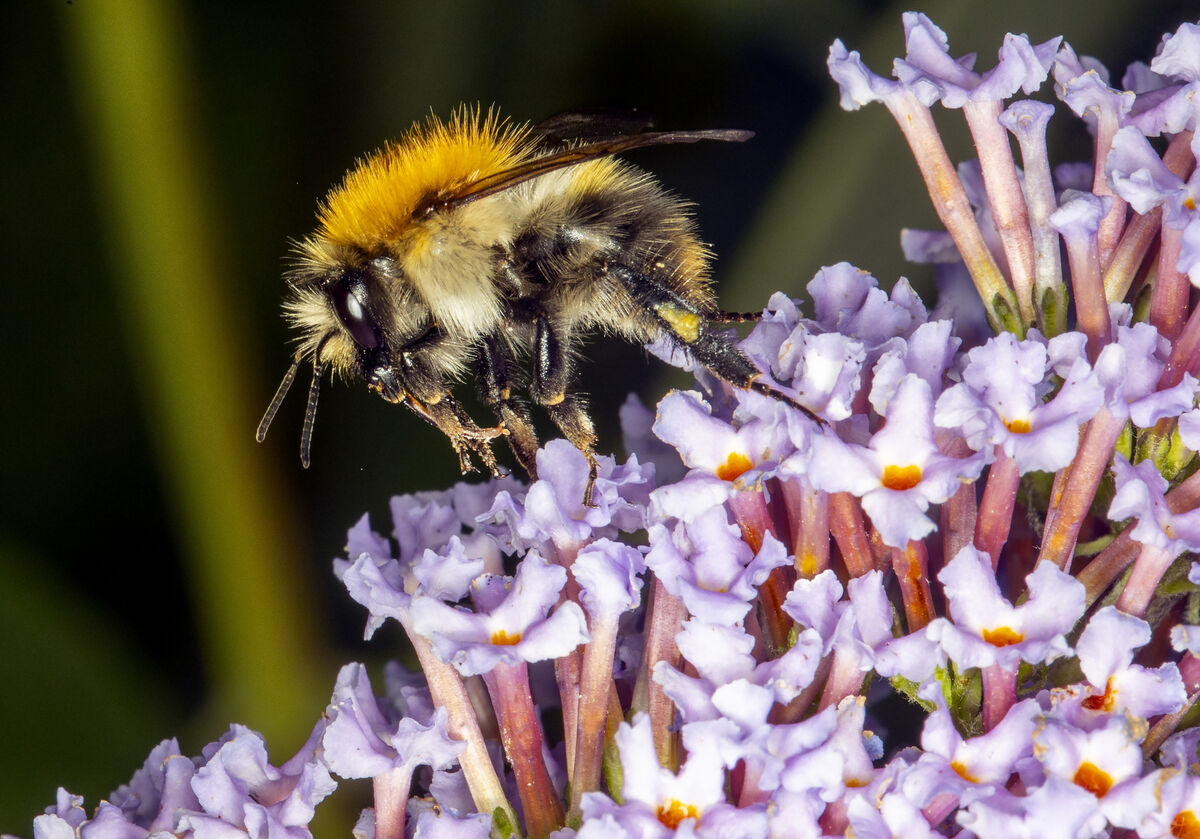
The policy will also see the current worrying decline in pollinators such as bees to be reversed and the risk and use of chemical pesticides to be reduced by 50% and the use of more hazardous pesticides by 50%.
On top of that, a minimum of 10% of agricultural area is to be committed to high-diversity landscape features such as hedges and ponds, while at least 25% of agricultural land is to be placed under organic farming management — with the uptake of agro-ecological practices significantly increased.
Three billion new trees will be planted right across the EU along ecological principles, while significant progress is set to be made in the remediation of contaminated soil sites and more than 25,000 km of free-flowing rivers are to be restored.
All of this is set to happen under the EU Biodiversity Strategy for 2030, which is one of the strongest markers yet of the EU’s recognition of the current global threat to biodiversity.
The EU has committed to helping ensure that within three decades, or by 2050 all of the world’s ecosystems are restored, resilient, and adequately protected. In the meantime, it aims to ensure that Europe’s biodiversity will be on the path to recovery by the year 2030, according to an article in the latest edition of Teagasc’s journal.
This will be achieved through these ground-breaking initiatives which also aim to widen the network of protected areas and establish “a coherent network of protected areas”.
The plan will see at least 30% of the land and 30% of the sea being protected and connected through ecological corridors as part of a European-wide network.
This programme will also tackle the need to bring nature back to agricultural land, restore soil ecosystems, increase the quantity of forests while at the same time improving their health and resilience, bring about the restoration of freshwater ecosystems, reduce pollution and address the growing problem of the wide-ranging devastation being caused by invasive alien species.
By 2030, it is envisaged, significant areas of degraded and carbon-rich ecosystems will have been restored.
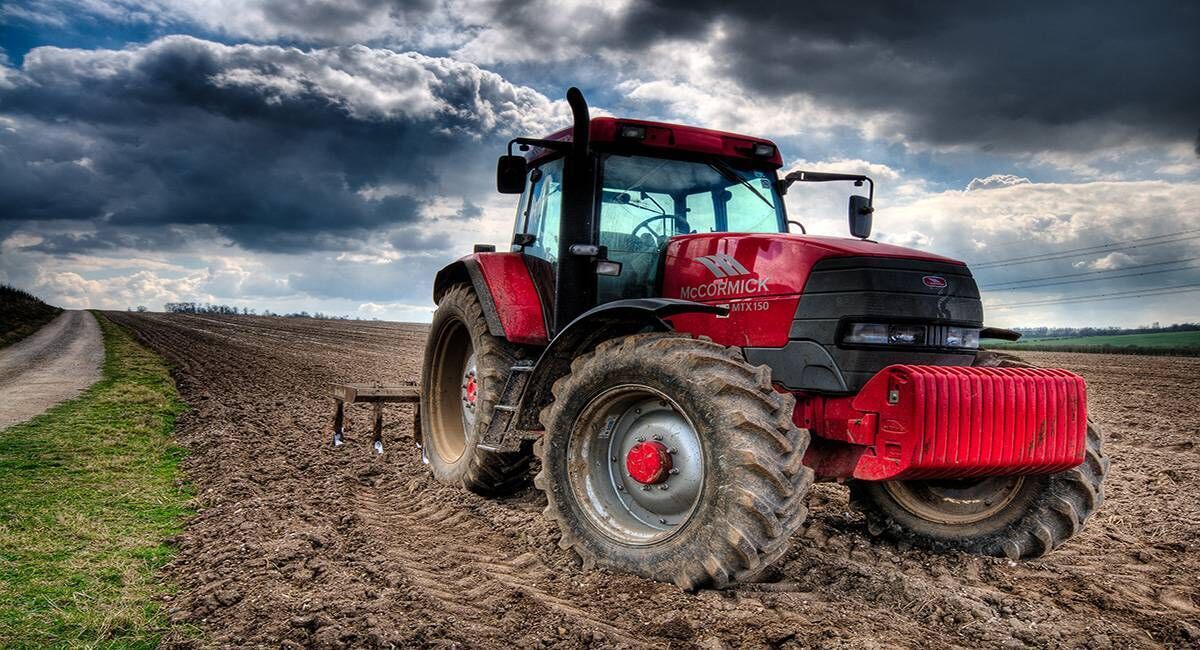
Meeting these requirements, however, is expected to have a significant impact on agricultural practices through, for example, the reduced use of pesticides and fertilisers while the aim for 10% of agricultural area to be high-diversity landscape features will mean incorporating buffer strips, rotational or non-rotational fallow land, hedges, non-productive trees, terrace walls, and ponds.
The inclusion of habitats currently considered ‘ineligible’ under existing cross compliance such as ponds, scrub and wetlands is expected to be seriously considered while the target of three billion new trees represents a major intervention in land use — the EU Commission will develop guidelines on biodiversity-friendly afforestation and reforestation, and closer-to-nature forestry practices in parallel with the new EU Forest Strategy.