Common Irish seaweed set to become food industry staple
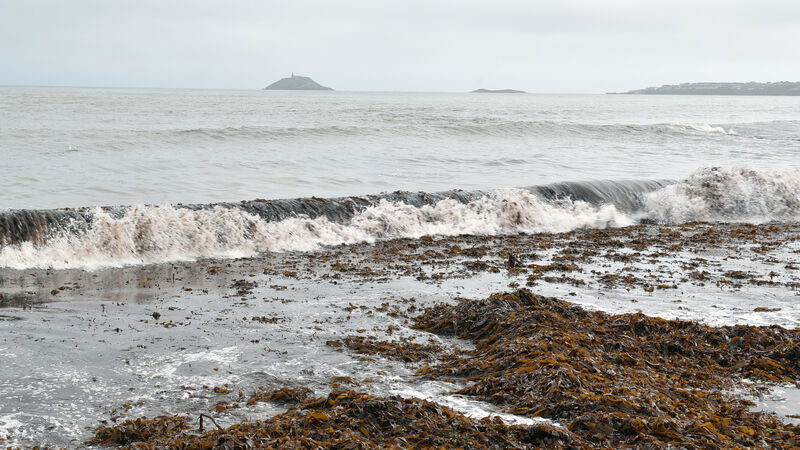
A common Irish seaweed is set to become a food industry staple — in everything from fish and chips to soup and bread.
Cutting-edge research has shown a humble Irish seaweed species to have a similarly high quality of fibre to that found in oats, barley, peas, and beans.
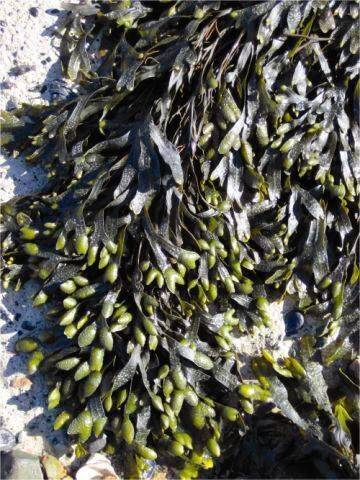
Fucus, or bladderwrack, a common seaweed along the Irish coastline, has been the focus of a major research project between scientists at Teagasc and a Co Kerry firm, Nutramara Ltd with the support of Science Foundation Ireland.
For generations, coastal communities around the island have traditionally harvested seaweeds like dillisk, carrageen moss, sea spaghetti, and sleabhac or nori, to enhance the domestic diet by incorporating them into everything from puddings to scones and cakes.
However, now researchers have developed a green, sustainable way of obtaining high-quality algal dietary fibre from Irish fucus or bladderwrack.
This biorefinery approach for Irish-grown seaweeds is being seen as a step towards a sustainable and zero waste concept for the seaweed industry, adding value to Irish marine bioresources.
Dietary fibre is very good for you — over the years, studies have shown that a variety of health benefits are associated with its consumption, citing everything from reduction in atherosclerosis to a reduction in heart and gastrointestinal diseases.
Various sources of dietary fibre such as oats, barley, rye, wheat bran and sugar beet have gained European Commission health and nutritional claim status.
Now it’s hoped that Irish bladderwrack will be awarded a similar prestigious status on the international food stage.
The aim of this study, whose findings are published in the latest edition of Teagasc’s journal, was to demonstrate that seaweed is as good a source of fibre as that found in cereals such as oats and barley, and pulses such as peas and beans, explained Professor Brijesh Tiwari, Principal Research Officer at the Teagasc Food Research Centre in Ashtown, Dublin.
Prof Tiwari added that they can be used to enhance the health benefits of different foods such as bread bakery products.
Now work is under way to gain similar status for bladderwrack, so that it can be used in everything from the batter used in fish-and-chips to breads and soups.
“Irish seaweed contains large quantities of soluble and insoluble fibre which are very important in the diet, because they provide us with a feeling of fullness and have benefits for the digestion," said Prof Tiwari.
He added that scientist are working on identifying the specific functions and benefits of the kind of fibre found in bladderwrack, in order to obtain EU permissions to us it as a common food ingredient.