Mink is only farm animal in Covid-19 pandemic
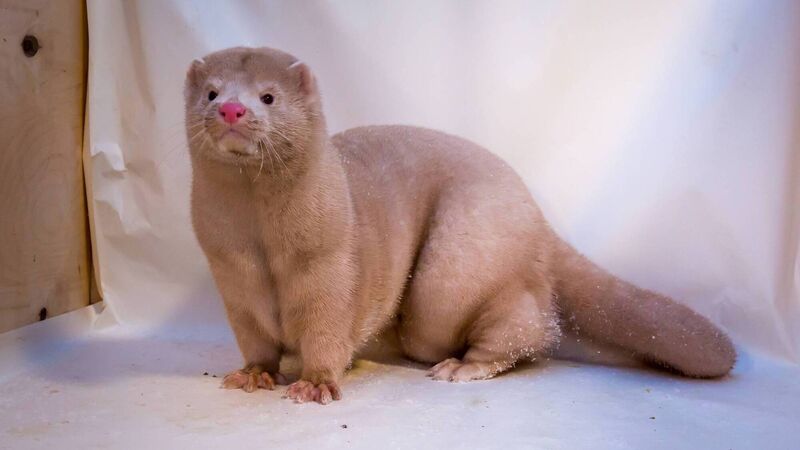
No cases of coronavirus infections are known in pigs, cows and poultry
Mink is only farm animal in Covid-19 pandemic

Mustelids, an animal group which includes mink, are susceptible to infection with coronavirus, but other farm animals are not.

Farmers’ fears that Covid-19 could affect livestock are unfounded, regardless of Denmark’s plan to kill its 17 million mink produced on farms for the fur industry, in order to prevent a mutated form of coronavirus from spreading.

Other farm animals are at little risk. No cases of coronavirus infections are known in pigs, cows and poultry. Research shows that they are not sensitive to coronavirus.

Nor can you contract coronavirus by eating contaminated food, says virologist Wim van der Poel of Wageningen University in the Netherlands, one of several countries where farmed mink tested positive with Covid-19 and transmitted a mutated form of coronavirus to employees.

Mr van der Poel said mustelids, an animal group which includes mink, are susceptible to infection with coronavirus, as these animals have specific receptors on their cells that are affected by the virus.

Cats of all types, hamsters, and monkeys, are susceptible for the same reason, as are bats, from which the virus originates in China.

For these animals, coronavirus can be lethal, but the numbers are still small. Of the 20 or so infected cats (including tigers) worldwide, only one death has been reported.

There are a few cases of infected dogs worldwide, but they have minor symptoms.

There is no evidence that food, such as meat, is a source of the transmission of the coronavirus. It has been found on foods, but Mr van der Poel said, “We must assume that the contamination originated in the food production chain, via infected people. Not that they can contaminate the meat or fish: a virus needs a living human or animal to be able to reproduce.”

In theory, if you touch infected food and then touch your face, you could get infected, allowing the virus particles to enter your airways. But the virologist considers that likelihood small.

A spokesperson for the European Centre for Disease Prevention and Control said, “Due to the large number of infections, and possibly due to biological differences between minks and humans, the virus can accumulate mutations more quickly in minks, and spread back into the human population.”

“If these new variants, with lower susceptibility to neutralising antibodies, spread widely in the population, it could potentially affect the level of overall vaccine effectiveness of vaccines under development, and the establishment of a virus reservoir among minks may give rise to problematic virus variants in the future.”

The Dutch government announced in June that mink farms infected with Covid-19 would be culled, because the virus can continue to circulate on mink farms for a long time, posing a risk to the public and to animal health. The Dutch cabinet has expedited a complete ban on mink farming effective from next March.

Spain, Sweden, Italy, and the US have responded by culling populations at affected farms only.

x

More in this section

Farming

Newsletter

Stay ahead of the season. Sign up for insights, expert advice and stories shaping Irish agriculture.

Cookie Policy Privacy Policy Brand Safety FAQ Help Contact Us Terms and Conditions

© Examiner Echo Group Limited