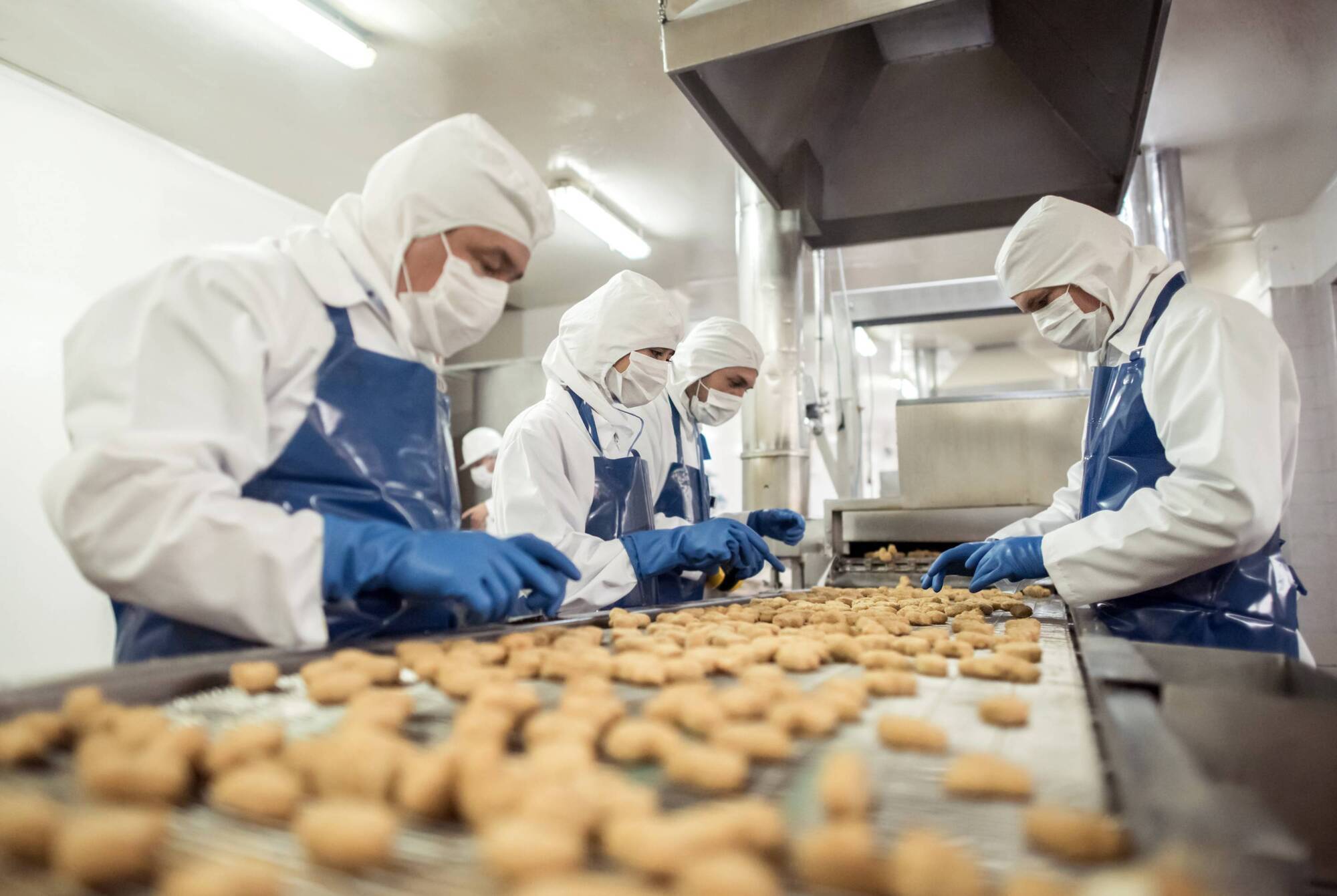
On July 4, 2019, Ireland reported a cluster of cases of Salmonella Bredeney food poisoning, and issued an urgent inquiry in the EU’s Epidemic Intelligence Information System for Food and Waterborne Diseases and Zoonoses platform.
EU food alert systems went quickly into action, and on July 19, the Romanian producer who was tracked down as the source suspended processing activities, to proceed with sanitation and disinfection of the premises.
It is one of the success stories in the 2019 report on the use of the EU’s Rapid Alert System for Food and Feed (RASFF).
The report indicates that food alert co-operation between Member States has increased.
They made 4,118 notifications of food or animal feed risks to RASFF in 2019.
Of these, 1,175 were classified as ‘alerts’, indicating a serious health risk for which swift action was required by food operators or authorities.
The foodborne illness outbreaks caused by Salmonella Bredeney in chilled cooked pork from Romania, with raw material from Italy and Belgium, were also reported bu the UK.
On July 15, Ireland transmitted a RASFF alert providing evidence that a chilled cooked pork preparation from Romania was associated with the outbreak. Remedial action was taken at the Romanian production premises four days later.Â
This was one of about 45 notifications by Ireland to RASFFÂ in 2019.
In the same month, fast action also limited foodborne illness caused by Salmonella enterica in eggs from Poland.
On July 30, Austria transmitted a RASFF information notification.
In response, Germany, Ireland, Netherlands, Norway, Sweden and the United Kingdom reported human cases of Salmonella Enteritidis with isolates closely related to the Austrian outbreak.
In Austria, patient interviews pointed to Asian restaurants linked to the outbreak.
Food investigations identified that restaurants processed eggs from a batch that tested positive for Salmonella Enteritidis, which originated from a single Polish farm.
Salmonella Enteritidis was also found in faecal and dust samples on the Polish farm in August, and stricter hygiene and preventive measures required by the Polish food authority were adopted by the farmer.
Ireland was also one of the member states that reported a multi-country outbreak of Salmonella München infections, in 2019.
From late August to mid-October, there were also reports from the Netherlands (14 patients), Austria, Belgium, the Czech Republic, Denmark, and Norway.
A search in RASFF revealed five notifications.
Sesame seeds from Sudan were involved in all five.
The 2019 RASFF report reveals that the most frequently reported issue in food checked at EU borders was aflatoxins in nuts.