Low smoke zones where dirty fuels are banned will extend further into rural areas on September 1
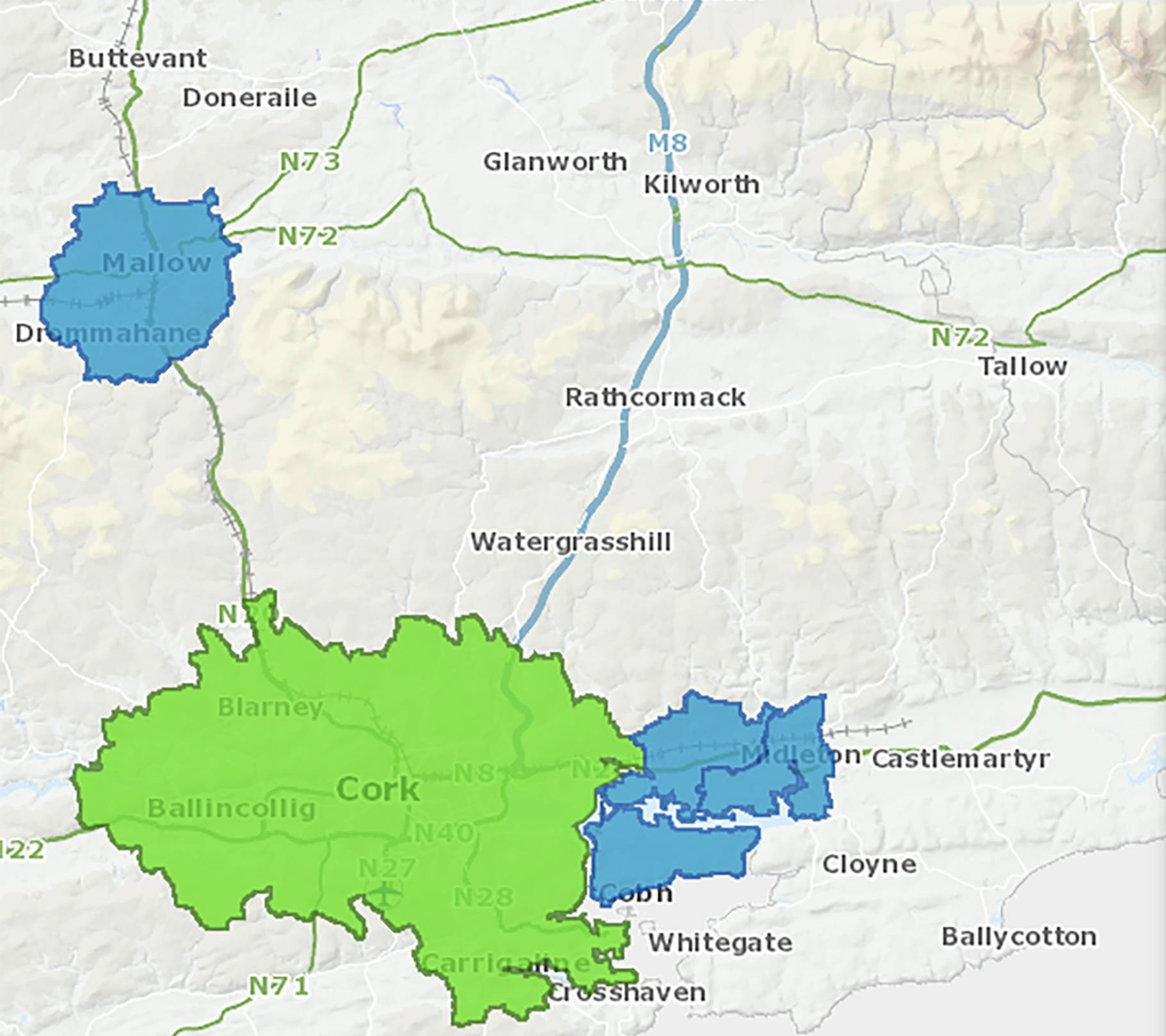
From September 1, the extension of the smoky coal ban to all towns of over 10,000 people takes in larger rural areas, including to the east of Cork city.
Low smoke zones where it is illegal to sell, market, distribute, or burn bituminous (smoky) coal will be extended further into rural areas on September 1. In Munster, large rural areas to the east of Cork City, and around Killarney, Mallow, and between Waterford City and the sea, will become low smoke zones (LSZs).
Along with bituminous coal, banned fuels include waste timber, particularly that which has been treated, painted, varnished, lacquered, glued, or had any substance added, as this causes the release of toxic and cancer-causing air pollutants.
The burning of these fuels and of smoky coal releases toxic emissions, and negative effects have been observed at even low levels of exposure.
They affect the external environment, but also the internal environment of homes where they are burned.
To establish if you are living in a low smoke zone, a map is available on the Department of Communications, Climate Action and Environment website where you can input your eircode or search by address. Only low smoke fuel is permitted for sale in a LSZ.
The department says where wood logs or blocks are used, these should be dry, to improve energy efficiency and to avoid excess emissions of creosote, which can build up in your chimney and lead to chimney fires.