Never forget that your workplace is the most dangerous
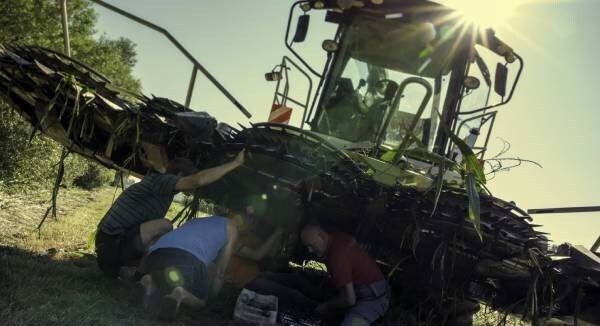
It is important that awareness about safety is increased amongst farmers, through initiatives such as the recent Farm Safety Week.
Farm accidents are increasingly common, and the Health Safety Authority has confirmed that the fatality rate in agriculture is far higher than any other economic sector.
A large proportion of all fatal workplace accidents occur in agriculture, even though only a small proportion of the workforce is employed in farming.
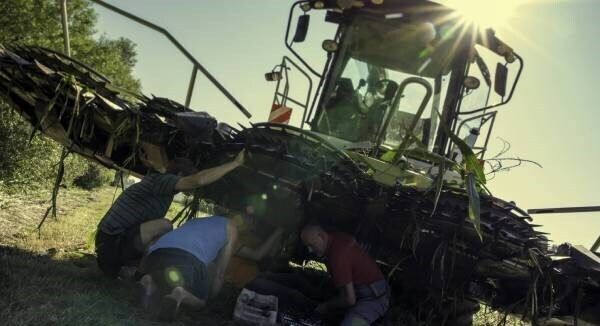
Unfortunately, the level of farm accidents is not decreasing, and similar types of accidents are occurring each year.
The age profile of those involved in accidents is concerning.
The old and the young are exceptionally vulnerable to death and injury on Irish farms, and accidents often involve family members of farmers.
The law on health and safety in Ireland is governed by common law and statute.
The main legislation providing for the health and safety of people in workplaces is Safety, Health and Welfare at Work Acts 1989 and 2005.
Under the acts, there are obligations for farmers to have the following in place.
- A safe place of work, which includes the farmyard and buildings.
- Safe working practices and procedures.
- Safe equipment and machinery.
- A safe way in and out of the farmyard and other places of work, including farm buildings.
- Information and training for workers.
- Personal protective equipment where necessary.
- A safe system for the storage, handling and use of articles and substances.
- Adequate toilet and washing facilities.
The Health and Safety Authority Code of Practice for preventing injury and occupational injury in agriculture is an invaluable document that all farmers should read and consider. In addition, here are some practical safety tips farmers should consider.
- Make sure you properly maintain cattle crushes, cattle-handling units and holding pens.
- Always handle animals with caution and use proper handling facilities.
- Make sure that all animal handlers are competent and wear protective clothing and equipment.
- Provide staff with suitable breathing equipment and make sure they wear it, especially as slurry pits produce dangerous gases such as hydrogen sulphide and ammonia.
- While agitating slurry, it is very important to make sure you have high levels of ventilation. Pick a windy day. Evacuate all people and livestock from sheds, and open all doors and outlets.
- Always ensure that the PTO and the PTO shaft are properly covered, and that you always disengage the PTO before you dismount from the tractor.
- Allow only competent persons to drive tractors.
Remember that children must be at least 14 years old, have received training, and be under the supervision of a responsible adult, before they are allowed to drive a tractor.
They must be 16 years of age and hold at least a learner permit before they can drive in a public place.
- Train persons to operate tractors and machinery and to complete jobs safely.
- Check equipment and machinery before use.
- Particular care should be taken when animals are initially released from buildings after being housed for a period of time.
- Ensure that safeguards are understood by workers.
- Do not put up fencing alongside overhead power lines.
- Try not to rush jobs where safety might be put at risk, particularly in dangerous areas such as on muddy ground, on ladders and so on.
- Use ladders properly. Ladders must always be solid and properly secured.
- Plan work so to make sure that it can be done safely.
- Always tell someone where you will be and for how long.
- Ensure your mobile phone is fully charged and with you at all times.
If you have concerns regarding farms safety, it is recommended you contact the Health and Safety Authority or Teagasc.
Teagasc is the state agency with responsibility for advice, training and research in agriculture and food.
It has integrated, in its training and advisory programmes, safety and health training related to practical compliance with ‘safety, health and welfare at work’ legislation.
If you were involved in an accident or have concerns regarding your legal obligations in respect of farm safety, we would recommend you consult with a solicitor.