Can you cope with the weather?
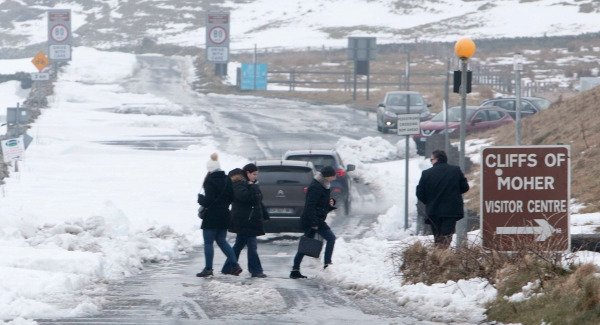
Some may have assumed “global warming” means that snow events in March were a thing of the past.
Our relatively mild and damp weather pattern is predominantly a result of being positioned directly in the path of the Gulf Stream, which is like a giant river of warm air originating in the mid-American region, which flows towards Scandinavia.
The warm currents of the ocean follow the same pattern, and once the sea water and milder air have dumped their heat in the North Atlantic, the colder air and water are drawn back towards the Gulf area.
Studies are showing that the effect of melting ice from Greenland and the Arctic has weakened the circulatory effect of the water,
To put it plainly, the Gulf Stream is getting weaker.
When this predominant weather pattern bringing rain and wind from the west gets weaker, the probability of our weather being influenced from the east and south increases.
Cue hurricane Ophelia and the Beast from the East.
It was unheard of for hurricanes to develop as far east in the Atlantic as Ophelia did.
And the trajectory of the hurricane went from south to north rather than the more typical arrangement of west to east.
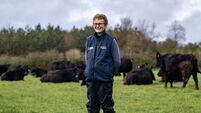
From a farming perspective, the variations in our weather patterns are something we must cope with.
As part of the development of our farms, we must ensure that we can cope with the extremes of snow dumps and hurricane winds, we must be able to cope with droughts and floods, with long winters and potentially short harvesting seasons.
If we come to accept that our weather is now more variable, that we may not be able to turn cows and cattle out to grass in March (let alone February), that we may only get three or four good days to harvest grain, that we may not be able to spread slurry on January 12 or indeed in the couple of weeks prior to the closed , then our perspective changes on how we must make our farming operations more resilient in the face of difficult circumstances.
Some of the stresses of farming can be lifted by planning for the worst and hoping for the best, rather than living on a wing and prayer, hoping that everything will be alright on the day.
So, as part of your longer term development plan, ask yourself, do you really have enough slurry storage.
And is your cow housing good enough that you can go a whole spring calving season with relative ease and with your animals in relative comfort?
Are your roadways good enough that you can take the bite of grass whenever it becomes available?
Do you have enough fodder to carry you through to mid-April?
Are your sheds strong enough to withstand snow dumps and hurricanes?
Can you bury your water pipes and seal your milking parlour to prevent freezing of the plant?
Have you a second or back-up water supply in the case of a freeze or drought?
Sometimes the easiest fix is to make a decision to run at 85% capacity rather than pushing yourself and your farm to 100%.
Reducing stock levels frees up both shed space and head space.
All of these things may not be in place right now, but it’s about learning from these two extreme weather events of the past winter.
While we can’t control the weather, we can have some control over our working environment.
Bear in mind that farm improvements are tax deductible, and unregistered farmers can reclaim VAT on building improvements.
Some farmyard improvements also qualify for grant aid.
There’s no shortage of incentives to make your working environment that bit better.