Lucinda Creighton: EU confused by Irish ‘scattergun’ Brexit lobbying
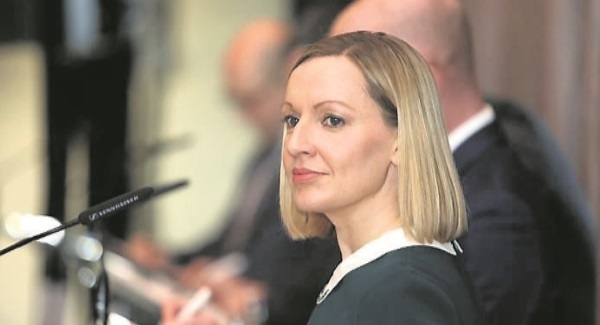
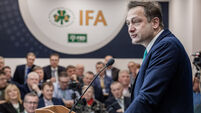
She told agri-food leaders at a Brexit forum hosted in Kilkenny by the Agricultural Science Association that Ireland urgently needs to decide upon its key Brexit priorities. She said the “scattergun” approach from trade organisations, lobby groups and government will not work in stabilising the economy in the wake of Brexit.
“The feedback I get from Europe is that Ireland is more active than any other country, that we have lobby groups going over from all sectors but they are getting different messages from everybody and they don’t know what Ireland wants and what our endgame is,” said Ms Creighton, a senior strategic advisor with the EU advisory company Vulcan Consulting and a former Fine Gael minister of state.
“It is still totally unclear as to what we as a country are proposing and this needs to be defined and communicated as a matter of urgency.”
Economist Jim Power strongly agreed that any talk of a bilateral trade agreement wouldn’t be entertained by the EU, describing this idea as “fantasy”.
Also, a possible “transitional funding” for Irish agri-food businesses was discussed as a measure which could be sanctioned by the EU in recognition of Ireland’s unique position in the wake of Brexit.
Several questions were raised over the agri-food expansion targets set in Food Wise 2025. While some said the targets looked overly ambitious in light of the Brexit vote, the panel agreed they were still achievable in principal, but the industry must look at new ways of getting there.
John Moloney, Food Wise 2025 chairman, said: “The fact is all the capacity and capability outlined in Food Wise 2025 still exists, but the issue is what markets we are going to focus on. It is important the government, who endorsed Food Wise 2025, immediately and urgently reprioritise its implementation plan in order to support businesses in targeting new markets.”
The ASA forum’s specific recommendations included: Setting up of a Government advisory group on Brexit; further investment in state agencies such as Bord Bia and IDA; identifying new ways of accessing the British market; encouraging primary producers not to over-invest in fixed assets and to identify more effective knowledge transfer opportunities; and the need to plan for a worst-case scenario and to assume no special deals will be made with Ireland.