Scientists turn vegetables into substitute for meat
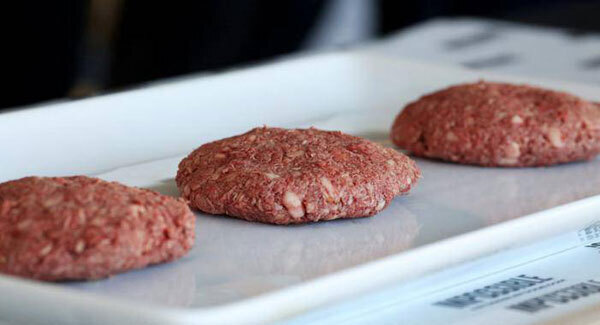
Studying the appearance, texture, taste and sustainability benefits of vegetable alternatives to meat — and now to make industrial-scale, mild production processes possible — is the aim in the Plant Meat Matters (PMP) global initiative, which has just kicked off.
At the foundation of the initiative is the innovative shear-cell technology being developed by Wageningen University and Research in the Netherlands.
The shear-cell technology transforms vegetable protein into layered, fibrous structures, which closely match the appearance and texture of meat.
The raw materials are mildly processed, until the desired structure is achieved.
The technology, which is the result of 20 years of research by Wageningen scientists, provides a precisely controllable alternative to conventional meat substitute production methods, such as extrusion.
Until now, shear-cell technology was only possible at lab and pilot scales.
Four-year partnership
The four-year, public-private partnership funded PMP project is the first opportunity to upscale this to an industrial level.
It will do basic research on plant proteins and how to optimise them for making plant-based “meat”.
Researchers at Wageningen say they will lay the groundwork for innovations beyond just plant-based “meat”.
By better understanding the functionality of certain plants, they can formulate a variety of foods, such as “milk”, “cheese”, and “eggs”, out of plants, instead of animals.
Meat substitutes currently constitute only 1% of the meat market. But, of course, that could change, because shear-cell technology is seen as a relatively simple, mild, and energy-efficient technology to make “meat” out of proteins from soy, wheat, peas, rapeseed, lupin, pectin, wheat gluten, maize, and vegetable fibres.