Karen Walsh: Long term plan key to success in energy contracts
Farmers or landowners entering into or considering entering into a renewable energy agreement with a developer should carefully consider the effects that any agreement would have.
Entering into such an agreement can be a long term commitment and it is essential that you are properly advised by a solicitor and an accountant in respect of the legal and tax implications.
The developer will normally explore the option initially as to whether it is viable for the lands to be used for renewable energy.
In the event it is viable, the option is exercised and a long term lease is then entered into.
Legally, the landowner signs an option agreement and on signing this will also agree the terms of the lease.
Long term strategy
Accordingly, it is important to consider every issue before signing the option agreement, such as:
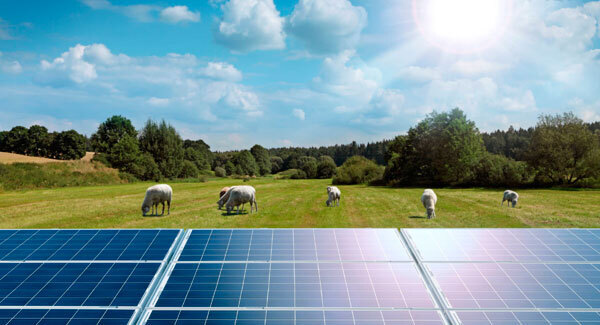
- What is the present use of the lands and what are the landowner’s future plans for the land? The agreements normally set out the lands they wish to option known as the optioned lands. There may be adjoining lands owner by the same landowner and it needs to be considered whether the development will impact on the adjoining lands? The landowner has a right to retain usage of the lands, but this may be restricted to uses such as grazing sheep for example.
- Is the proposed development near a landowner’s family home? If so, will enjoyment of the home be adversely affected?
- Will the developer be availing of existing access routes or do they intend to construct new access routes? Who will pay for the upkeep of such access routes? Does the landowner have a legal entitlement to use all roadways constructed on his lands by the developer? The lease should provide for access to, or wayleaves over, other land owned or leased by the developer, which could include access roads which may also be linking up with third party lands.
- Will existing fences and gates be used or will the developer construct new ones? It should be considered in the agreements whether there are any restrictions on the landowner erecting or constructing gates or fences and as to who will bear the costs of upkeep of these if they are surrounding the development.
- Is a landowner considering making a gift of a site to a child at a later date for the building of a dwelling? If so, will that site be adversely affected? It is important such a site is located before entering into an agreement to make sure it does not form part of the development.
- Is the landowner thinking about transferring the farm to one of his or her children in the foreseeable future?
- If so, will those plans be affected by the current agreement as the landowner is entering into a long term commitment if the option is exercised?
- Are there any restrictions that are contained in the lease as to the uses to which a landowner can put the remainder of his lands? For example, is he or she considering afforestation on another part of the lands? If so, will the consent to do so be required?
- Who is responsible for grazing the solar or wind farm site and keeping weeds and vermin away?
- The landowner can consider entering into a maintenance agreement with the developer in respect of this. The developer will normally be responsible for maintenance costs and should have his or her own insurance in the event of damage to equipment.
- Will all gates be kept shut, and possibly locked, in order practicalities involved in entering into a solar or Wind Farm Agreement to stop unauthorised access? The developer and the landowner will have to consider what insurance is in place before entering into an agreement.
- Will the landowner be entitled to graze stock on the land after the windmills or solar panels have been constructed?
- Will the proposed works and development interfere in any way with existing drains and/ or watercourses?
- Does the landowner know the exact identity of the land which will form part of the agreement?
- In the case of wind farms, will there be a problem with noise levels? Will the developer be able to guarantee that the strict decibel levels laid down by the Department of the Environment will be adhered to?
- What happens if the developer becomes insolvent? Who will remove the equipment?
It is important that any clause in the agreement which attempts to excessively, or unnecessarily, restrict the landowner’s use of the land, be carefully considered.
Telephone: 021-4270200
Email: info@walshandpartners.ie
Web: www.walshandpartners.ie
While every care is taken to ensure accuracy of information contained in this article, solicitor Karen Walsh does not accept responsibility for errors or omissions howsoever arising, and you should seek legal advice in relation to your particular circumstances at the earliest possible time.