China is still on the menu for ambitious US burger giant McDonald's
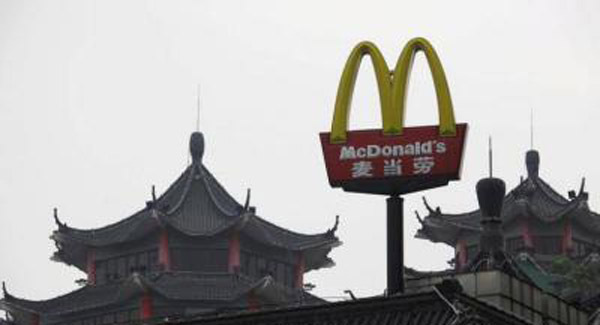
Seeing this as a simple retreat from the Middle Kingdom is tempting, but wrong. As elsewhere, franchising is a better business than owning and operating stores. There are other benefits to having a Chinese partner too.
The Oak Brook, Illinois company has picked private equity firm Carlyle and local outfit CITIC Group as buyers, according to Reuters.
While the mooted price tag is lower than earlier talk of a $3bn price, that’s because McDonald’s is keeping a 25% interest. Higher than average royalty fees by the American parent may also cut the upfront proceeds too.
The stake retention looks like classic ‘shmuck insurance’ — keeping a slice to avoid seller’s remorse if things go better than expected. It could also help McDonald’s keep a closer quality control eye over a key part of its global empire.
China has been tricky for US players, who have faced slowing growth, food scares, emerging local competitors and anti-American protests. For Yum Brands, whose network of KFC and Pizza Huts in China is three times larger than McDonald’s there, the answer was to spin Yum China off to shareholders.
But Chinese earnings will still matter to both parent companies, and both local arms will keep expanding at breakneck pace.
McDonald’s has about 2,400 Chinese outlets, and will add 250 a year. The coffee world is equally enamoured of the Chinese consumer: Starbucks is opening a store every day on the mainland.
For McDonald’s, the sale moves it closer to chief executive Stephen Easterbrook’s goal of having the vast majority of its restaurants operated by franchisees. That’s a more attractive business model, but franchising has only in recent years become straightforward in China.
Having a local ally in CITIC, China’s oldest financial conglomerate, could also help McDonald’s better understand local tastes and handle future difficulties. Yum China also brought in local partners. It is easier to bash a wholly American company than it is to bash one backed by the local establishment.