Request for tenders to design and deliver wildlife schemes
A formal request for tenders has been published by the Department of Agriculture, who intend to appoint the project teams on foot of this before end of year.
Agriculture Minister Michael Creed said he was moving to ensure the schemes are open to farmers in 2017, although formal approval for them was awaited from the EU.
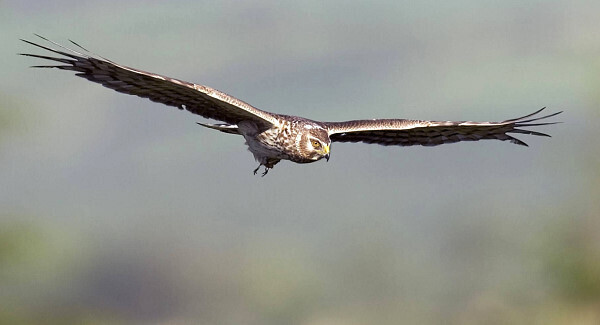
He said: “Support for the EIP locally led hen harrier project is aimed at targeting the conservation of this important bird in six specific core target areas which contain about 45% of the national hen harrier population. This scheme will target up to 2,000 participants.
“Similarly, the freshwater pearl mussel project will be confined to eight catchments containing approximately 80% of the national population, and will target up to 800 participants. An overall budget of €35m is being made available to fund these projects. “
Landowners will play vital roles in both schemes. Hen harrier and freshwater pearl mussel project participants will be invited to enter contracts for up to five years.
Until schemes are up and running, hen harrier farmers should apply to join GLAS.
The six hen harrier target areas are mostly in Munster, in special protection areas on the Cork-Kerry-Limerick border areas, in north-east Limerick, in the Slieve Aughty area on the Clare-Galway border, and the Slieve Bloom area in Laois and Offaly.
Eight freshwater pearl mussel target areas around the country include Currane, Caragh, Ownagappul, and the Kerry Blackwater area, all in Co Kerry. Farmers will be paid according to performance in maintaining the environmental health of designated land areas and associated habitats.
Budgets may include bonus payments for successful hen harrier breeding.
In fresh water pearl mussel areas, farmers will be paid for actions such as river area management; control of water with drainage, grassed waterways, and buffer/filter strips; maintenance of soil structure: zero or restricted tillage, nutrient management, and extensive land use.
Grazing and livestock management, nutrient/sediment management, alternative drinking facilities for livestock, drain management and management of crossing points, and reducing critical sediment sources, are likely actions to protect fresh water pearl mussels.