Innovative Achill Island food project

Innovative product development and community co-operation are critical for remote rural food producers to capture year-round sales, says a leading island-based food entrepreneur.
Innovative Achill Island food project

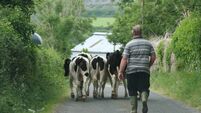
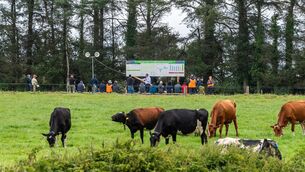
Martina Calvey of Achill Mountain Lamb says her family business is working with neighbouring farmers, tourism enterprises and other local businesses to promote Achill Island as a recognised destination.

Their goal is to extend their tourism season, along with their sales of fresh produce.

“We have come to realise the true value of working together on Achill Island and we need more than the summer visitor to survive,” she said.

“Individually we all have been innovative with using our natural food, fish and farm resources and creating small food businesses that can provide employment and contribute to the local economy in so many ways year round.

“As a community, we now want Achill Island to be a food visitor destination and with the assistance of Fáilte Ireland, Bord Bia and others. Achill can become, not just a location for the summer tourist, but a year round destination for the food tourist.”

Ms Calvey was a guest speaker at the Taste Council of Ireland’s sixth annual Food Summer School, hosted by Bord Bia in the Brooklodge Hotel, Macreddin Village, Co Wicklow.

Her message resonated with the 150 food sector leaders present. Among other topics, the panel discussed the case study of Achill Island, with its rural population of just 2,700 people.

Using Achill Island as a template, the delegates also examined the entire island of Ireland, with a rural population of 1.5 million.

If successful, Achill’s example of food tourism can be used as a model for other rural community projects.

Aidan Cotter, CEO of Bord Bia stressed the importance of food production to support an increasing, urban population. He noted that, in 1950, just three of every 10 people living in the world lived in cities; today more than five out of 10 do.

“By 2050 the United Nations projects that almost seven out of ten people will live in cities,” said Mr Cotter.

“And, notwithstanding initiatives around urban farming, it is clear that the production of food is now, more critically than before, the business of rural communities.

"And the more successful our rural communities are at the production of food that consumers want, the more thriving, prosperous and vibrant they will be.”

x

More in this section

Farming

Newsletter

Keep up-to-date with all the latest developments in Farming with our weekly newsletter.

Cookie Policy Privacy Policy Brand Safety FAQ Help Contact Us Terms and Conditions

© Examiner Echo Group Limited