Sterling weakness already hitting prices for food exporters to Britain
Over 80% of Britain’s meat imports come from the EU.
The UK takes 272,000 tonnes of Irish beef (54% of our beef exports), 61% of Irish pigmeat exports, 84% of our poultry exports, and 28% of our sheepmeat trade.
Over half of Ireland’s live cattle trade is to the UK, and sterling weakening against the euro this year has already resulted in a 50% reduction of these exports to the UK.
Currency fluctuation also makes meat dearer for UK consumers, who may therefore reduce purchases or switch to cheaper cuts, say analysts at Rabobank, who predict that longer-term uncertainty will continue to stall growth, with lower consumption or down-trading putting some downward pressure on prices, countering the currency-related upside pressure.
While the EU is currently the most important trade partner for meat, it is possible the UK will seek to expand competition by allowing additional imports from other exporting countries, such as Brazil and the US.
Britain’s high animal welfare and food safety standards may however be a barrier to wider trade agreements.
In general, trade agreements for food and agricultural products tend to be the hardest to achieve, note Rabobank experts.
Another major implication of Brexit for Ireland’s meat industry is the performance of Irish processors’ investments in the UK.
According to Rabobank experts, expected higher costs of trading in Britain may make it a less attractive destination for investors.
On the other hand, reduction in regulations from Brussels might have some advantages for UK-based meat companies, enabling them take advantage of declining UK food self-sufficiency, and devaluation of the pound.
Pigmeat
The UK imports 40% if its pigmeat. Denmark, Germany, and the Netherlands are the biggest suppliers, but the UK is the destination for 61% of Irish pigmeat exports.
Sources at ForFarmers, one of the biggest UK animal feed businesses, said the share of imported pigmeat may fall after Brexit, helped by devaluation of the pound sterling.
And British pig producers represented by the National Pig Association predict a bright future outside the EU.
According to an industry poll, they voted roughly in line with the rest of the country, with around 54% wanting Brexit.
They are confident British pork exports will continue to grow, thanks to rigorous British safety and regulatory credentials, high welfare characteristics, and different genetics for different price points, ranging from modern indoor production to straw-barns to outdoor-reared and outdoor free-range.
The British pig industry has also introduced an antibiotic stewardship programme.
Dairy
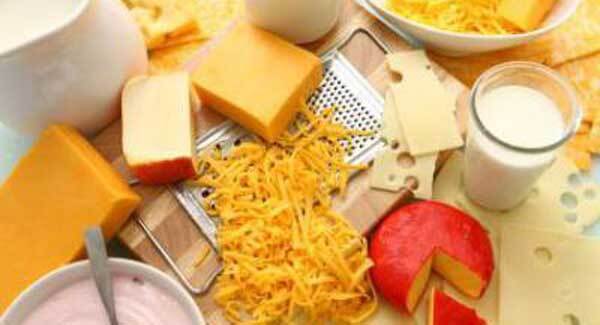
Although the third-largest milk producer in the EU, the UK is a net importer of dairy products. Its main requirement is cheese, coming mainly from Ireland and France.
Another important dairy import for the UK is butter, with Ireland again the main provider.
Therefore, Brexit could provide significant challenges for Ireland (and for France to a lesser a lesser extent).
Given the large volume of imports required, it is likely that dairy trading would continue, under new agreements, possibly with country-by-country quotas.
Consumer foods
Brexit could reduce sales volumes and profitability in consumer foods, food service, food retail and wholesale, due to currency changes reducing consumer product flows.
The UK takes 44% of Ireland’s prepared foods exports.
Beverages
In contrast to most Irish exporters, our whiskey companies could benefit from Brexit, according to Rabobank analysts.
They could take advantage of potential third-country trade barriers for Scotch distilleries on the EU internal market.
Generally, the UK is only a small net exporter of malt, so the impact of Brexit on the beer industry would be minimal.
UK farming and food
Rabobank also looks at the capacity of the UK’s farm and food industry outside the EU.
This could be damaged by increased costs of trading into a non-EU Britain, which will reduce international trade flows and prices, with some companies postponing investments in the UK until there is a clearer picture of how trade will settle, or relocating.
Independence from Europe could of course cut off the benefits of access to an abundantly supplied food market with 500m consumers.
In the longer term, if agricultural innovators have to invest in getting a stamp of approval for the UK market, they may decide is not worthwhile for such a small market, because the costs of research to illustrate the safety and efficacy of a product are prohibitively high in relation to the potential sales in the UK.
A weaker pound will mean higher prices for imported farm inputs in the UK, most of which are imported.
UK producers may welcome less regulation from Brussels, but would still have to conform to EU regulations if they trade with the continent, or Ireland.