Overseas interest in Teagasc and UCC cheese study
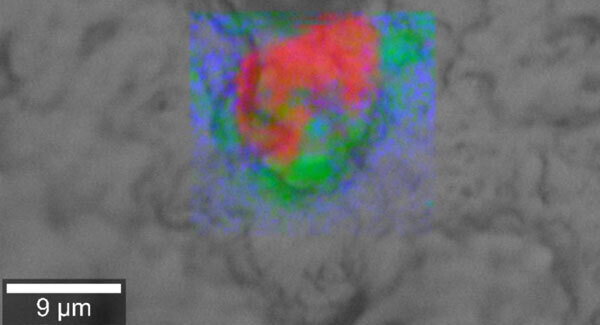
There is equal interest in Teagasc’s use of DNA sequencing technologies to identify the presence of a bacterium from the genus Thermus. The high tech approach to research into ‘pinking’ is a big evolution on the traditional use of agar dishes in studies of this kind.
Thermus is a thermophile, or heat-loving microorganism, mostly found in hot environments such as thermal springs and which is known for its production of vivid pigments including carotenoids. The DNA approach had multiple benefits relative to trying to recreate these environments.
The research team was led by Dr Paul Cotter, principal research officer, Teagasc Food Research Centre, Moorepark, and principal investigator, APC Microbiome Institute, UCC, along with Dr Diarmuid Sheehan.
“We can now use this research to develop new approaches to stopping the microorganisms from getting into the raw material,” said Dr Cotter. “The technology we are using with our cheese study can also be used to identify the source of defects in other foods. We are getting a lot of calls from people across Europe to help them with their processes.”
Once the researchers found the unexpected presence of Thermus in defective cheese, they used specialised techniques to grow the bacteria on agar plates. Subsequently, they artificially added the microbe back into a cheese, and recreated the pinking defect. Thus, the role of Thermus in this defect was definitively established.
The DNA approach is very useful where key microorganisms are not easily grown, and would previously have been overlooked.
“To grow the microorganism on an agar, you need the right temperature, oxygen levels etc, so it can be very difficult to get long enough to study the microbe in a laboratory using the traditional approach,” said Dr Cotter.
“The use of DNA sequencing allows us to study the microorganisms for a longer period, even if we never grow them at all. This is a significant change, and can be used to improve studies into other food defects of unknown origin in the future.”
The findings are on: http://msystems.asm.org/content/1/3/e00023-16