EU clampdown on use of veterinary antibiotic
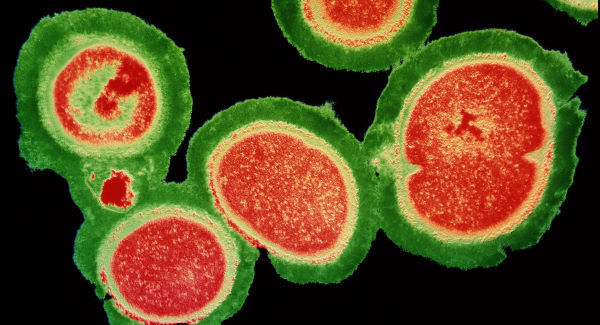
Farmers must cut use of the colistin antibiotic by two-thirds, and restrict its use to “last resort” only, said regulators at the European Medicine Agency (EMA).
In human medicine, colistin is a last resort medicine for people who have bacterial infections resistant to other antibiotics.
Resistance to colistin was recently discovered in the EU, resulting in the new EMA recommendation, that use of colistin on farms be reduced to under 5mg/kg, and that even stricter national targets be set.
The EMA is responsible for scientific evaluation, supervision and safety monitoring of medicines in the EU.
In veterinary medicine, colistin has been used for over 50 years to treat Enterobacteriaceae infections. Partly due to resistance to other antibiotics, colistin use increased in recent years.
Strategies to tackle antimicrobial resistance will be discussed by EU health ministers on June 16-17, and by EU agriculture ministers on June 27-28.
Meanwhile, G7 leaders last week committed to making collective efforts to strengthen measures for combating global antimicrobial resistance.
IFAH Europe, representing the European animal health industry, hailed the leaders of Canada, France, Germany, Italy, Japan, the UK, and the US, for recognising the importance of working together in human and animal health, agriculture, food and the environment, to improve access to and preserve antibiotics’ future effectiveness.
The EMA also called for improved farming conditions, biosecurity between production cycles, and vaccination, in order to reduce antibiotic usage.