Oliver Moore: Trip to UK to meet top food buyers
For €100, organic food producers, companies with an organic range, and others interested in the sector can get a comprehensive two-day experience of the UK organic market. Dates are Monday and Tuesday, April 18 and 19.
The price, which excludes flights and accommodation, does cover attendance at the trade show and a tour of key retail outlets including specialist organic retailers.
The trade show features over 650 exhibitors from 50 countries and more than 10,000 visitors are expected this year, in what is the 20th year of the event.
This tour, which will be lead by Bord Bia Dublin and London staff, includes the retailers Waitrose, Planet Organic, As Nature Intended, Daleford’s Organic, Wholefoods, and Sainsbury’s.
This means a combination of high end supermarket, general supermarket and specialist stores are all included.
Despite much change and development, including in particular outreach into the EU, the UK is Ireland’s most significant export market representing 41% of Irish food and drink exports in 2015.
According to Soil Association’s Annual report published in late February, UK market sales of organic food and drink grew 4.9% in 2015, outperforming the grocery market as a whole (which saw a decline of almost 1% for the same year).
The UK organic market has been back to steady growth since 2012, according to a presentation by Finn Cottle at Bord Bia’s offices in Dublin, earlier in the month.
Though well short of the double-digit growth experienced in the mid-2000s, it is an extremely positive position when compared to the deflationary trend in the overall food and drink industry, he added. Trends have changed too — customers now shop around and the era of the “once-a-week big shop” is said to have ended.
Cottle cited analysts, who note a range of (sometimes contradictory) trends — a desire to “scratch cook” — that’s cook from scratch with freshly bought products; a rise in interest in artisan products; concurrently, there is a never-ending quest by consumers for time saving and convenience.
He stated: “The current movement to more healthy eating presents many new opportunities for organic food generally and specifically in sectors such as ‘free from’, raw food and supplementary food additives: The appetite for premium food is also strong in the mainstream retailers despite the advance of the discounters and their low prices.
“For UK organic sales, many of these trends create a bright future. Given that the number one motivation for buying organic is ‘less pesticides’ coupled by a desire to buy ‘natural, unprocessed’ food, organic is the perfect solution.”
He noted that 2012 was also the year of “horsegate”, and this was cited too as a spur for the organic sector’s revitalisation in the UK.
Like Ireland, and unlike most of continental Europe, the UK retail sector is dominated by supermarkets. Its thus not suprising that two of these — Sainsbury’s and Waitrose — are cited as of high importance from a strategic Irish perspective.
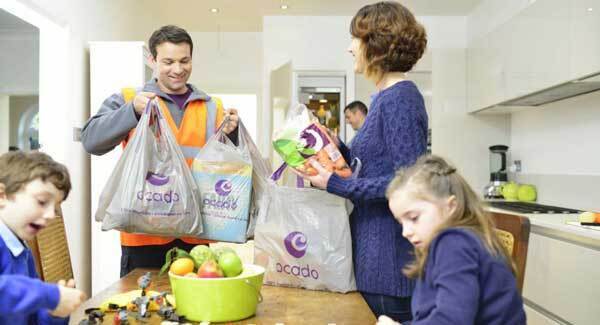
However so too is Ocado, an online specialist retailer, the like of which doesn’t yet exist in Ireland.
“The star performer within retail is Ocado online, which trades 10 times higher on organic than their actual share of the market,” Cottle says.
Interestingly, he adds: “Over time, it is forecast that the share of sales through supermarkets will decline further, as their organic ranges are condensed and offer inadequate choice.”
Brexit — and potential tariffs — inevitably colours any discussion on the UK. Nevertheless, it’s difficult to see a future for organic exports without the UK playing a significant role.
To register for the trip, go to Bordbia.ie and click ‘industry’ then ‘events’ then ‘Bord Bia events listing’.