Genetically modified soybeans stir debate at EU as Facebook is used to exert influence
This vote sets it against the EU Commission, which wants to authorise these GM soybeans for feed use.
The Parliament’s vote suggested that the Commission’s implementation process is “not consistent with Union law” because of said law’s aims for a “high level of protection of human life and health, animal health and welfare, environment and consumer interests in relation to genetically modified food and feed, whilst ensuring the effective functioning of the internal market high level of health and environmental protection.”
Specifically, the Parliament vote “considers” (EU jargon for setting out its actual position, following a long preamble) that the Commission “exceeds the implementing powers provided for” and “is in breach of Article 13(2) of the Treaty on European Union as regards the mutual sincere co-operation between the institutions”.
It also claimed that any implementing decision authorising the placing on the market of (GM) products “should be suspended until a new regulation is adopted”.
The Parliament also called for a new legislative proposal from the Commission.
In December, the Parliament also rejected the import of a Monsanto GM maize.
According to the relevant European Parliament Committee (Environment, Public Health and Food Safety), the Parliament’s position was that “the EU Commission should not authorise the use of glyphosate-tolerant GM soybeans in food and feed”.
MEPs were concerned that glyphosate, a herbicide, is classified as “probably carcinogenic” by the World Health Organisation (WHO), and that GMOs are being authorised in the EU without the support of member states.
As I reported here some months back, the European Food Safety Authority, in a review, did not find the herbicide to be a carcinogen, finding it instead to be “unlikely to pose a carcinogenic hazard to humans”.
Being something of an EU food politics nerd, I watched the hearing in full in the Parliament, when members of the International Agency for Research on Cancer and the EFSA went head to head, on December 1.
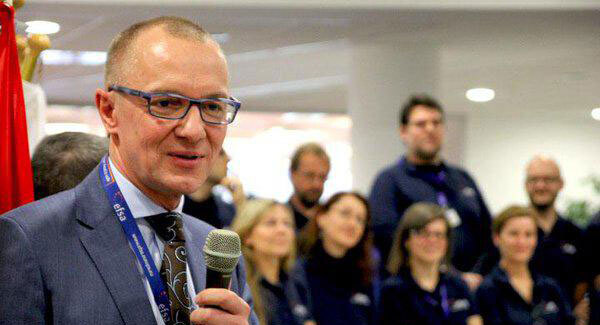
The most memorable moment in this discussion was provided by the EFSA’s executive director, Bernhard Url.
He was irked by 96 independent and government scientists — including eight of the 17 members of the IARC working group and all sub-group chairs — having written to EU Health Commissioner Vytenis Andriukaitis.
Their letter claimed that the EFSA conclusion was “not supported by the evidence”; was “flawed”; and should be “disregarded”.
His response was noteworthy, to say the least.
“People that have not contributed to the work, that have not seen the evidence, most likely, that have not had the time to go into the detail, that are not in the process, have signed a letter of support.
"Sorry to say that, for me, with this, you leave the domain of science, you enter into the domain of lobbying and campaigning, and this is not the way EFSA goes.
“For me, this is the first sign of the Facebook age of science. You have a scientific assessment, you put it in Facebook, and you count how many people like it.
“For us, this is no way forward. We produce a scientific opinion, we stand for it, but we cannot take into account whether it will be liked or not.”
Needless to say, social media, scientific agencies, political institutions, and even we the people, will continue to exert influence on GM and herbicide issues for the foreseeable.