The low carbon Ireland on the horizon after Paris climate change deal
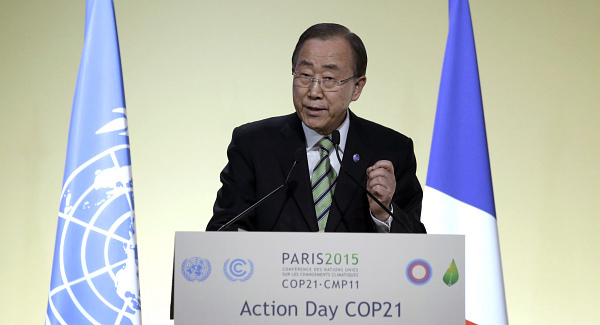
The United Nations climate change agreement in Paris brings a changed, low carbon world closer.
The low carbon Ireland on the horizon after Paris climate change deal

It will accelerate the move to create sustainable jobs, shift workers from high carbon to low carbon sectors, and eventually close down some of the highest carbon sectors, such as fossil fuel power plants.

It will accelerate the move of investment and finance from high carbon to sustainable sectors.

Major shifts in employment will disrupt many lives, along with the adoption of more carbon-efficient practices in day-do-day life.

The World Bank predicted in April that the global economy will require $89 trillion in infrastructure investments across cities, energy, and land-use systems over the next 15 years.

For many, it is seen as a new opportunity to invest and profit, but there will be huge disruption for the ordinary citizen, and for workers, in the drive to limit global temperature increases to less than two degrees, and to pursue efforts to achieve 1.5 degrees through binding commitments to cut greenhouse gas emissions.

Already there have been huge changes.

Worldwide, renewables have become the second-largest source of electricity, behind coal.

We have all made energy efficiency improvements, which helped us to hugely cut growth in energy demand.

After the Paris agreement, governments have to put decarbonisation at the heart of their policies. Up to now, many governments diluted or ignored “green” policies, because their economies depend so much on heavy industry, or on coal-fired power.

Heavy industry and coal are increasingly vilified as polluters, and the Paris agreement has turned the world even more against them.

Ireland has little heavy industry, so the spotlight is more on our agriculture as a polluter, our single largest contributor to our climate- affectng greenhouse gas emissions, with 33.3% of the total.

That spotlight will become more intense as more and more Irish lives are changed in the move to a low carbon future.

The favourable attitude of our population to agriculture is likely to change.

Agriculture Minister Simon Coveney’s ambition to make Ireland the most sustainable producer in the world of milk, beef and other food products could lose its attraction, as citizens have to adapt to changes in transport (source of 19.5% of our emissions), energy production and usage (19.1%), industry and commerce (15.5%), homes (9.8%), and handling of waste (2.7%).

There will be huge political opposition if agriculture forges ahead while citizens undergo huge changes in other sectors.

The importance of food security, and farmers having to increase food production for a world population expected to grow by 60% by 2050, was recognised in Paris — but problems nearer home are likely to dominate the place of agriculture in the low-carbon Ireland of the future.

* Next week: Eamonn Pitts on implications of the Paris climate agreement

More in this section

Farming

Newsletter

Keep up-to-date with all the latest developments in Farming with our weekly newsletter.

Cookie Policy Privacy Policy Brand Safety FAQ Help Contact Us Terms and Conditions

© Examiner Echo Group Limited