Maize and beet outperform grass silage for cost per tonne
I attended an excellent maize and beet open day last week, hosted by Goldcrop.
Maize and beet outperform grass silage for cost per tonne

It was a very well attended event, and the information available brought into focus how important both maize silage and beet are for livestock production in Ireland, into the future.

A wide range of varieties of each were on display in the trials at Cobh, Co Cork.

Both open and plastic maize looked well, but with the maize under plastic much closer to harvest, and a far greater starch yield potential.

Without doubt, the plastic will more than pay for itself in 2015.

The beet trials showed excellent yield potential in many varieties, and it was very interesting to see in particular the amount of sugar beet varieties on show.

It is very clear that when both crops are managed correctly in the right sites, they can produce a lot of dry matter from a single harvest.

In terms of cost per tonne of dry matter and per 1000 UFL, both maize and beet significantly outperform grass silage.

One message from the day which kept appearing was that grass silage in Ireland has become unreliable as a feed to achieve consistent animal performance.

As well as considering growing or purchasing beet or maize, as an industry. we must put significantly more effort into getting our silage quality up to scratch.

Feeding beet

Remember to introduce beet slowly to all stock.

Make sure that it is clean, and at this time of year, don’t feed freshly pulled beet for a week after harvest, as it will be too fresh and can cause digestive upsets to stock.

Buying maize

Some are considering purchasing maize silage for beef finishing this winter.

The big question being asked is, “How much is it worth?” The answer to that question depends on many different factors.

* Is it being sold by the acre or by the tonne?

* What quality is likely?

* What animals do you intend feeding it to?

* Have you got appropriate storage and handling facilities?

Some other factors are worth considering.

* How much do you need to buy?

* How will you balance it?

In all cases, it is well worth seeking the correct advice before you do a deal to buy maize. Buying too much or too little can prove to be costly.

Not balancing it properly will result in poor animal performance and incur additional costs due to a later sale date for finishing animals.

Protein and minerals are important to get right when feeding maize, to get the best out of it. Seek the right advice to avoid disappointing results.

Beef cattle perform excellently on maize silage once it is balanced correctly. Maize is high in starch, which is the main driver of weight gain in indoor beef feeding.

Maize harvest

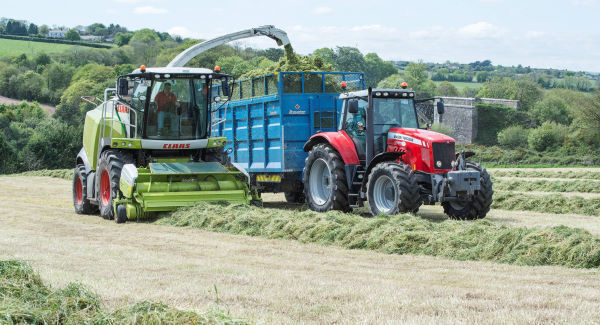
This week, I have been asked to walk many crops of maize silage in order to assess their suitability for harvest.

Maize is not as advanced as it would normally be by the second week of October. Crops remain quite green, and cobs in general need to mature a little more before they will be suitable for harvest.

The good spell of weather looks like it will continue, so be patient when it comes to making a decision to harvest.

If you go too early, when the dry matter is low, you will end up with run-off from your clamp, losing valuable nutrients that you have spent six months growing.

Good quality maize silage is an excellent feed to enhance performance in beef and dairy diets.

This year, however, has not been a bumper one for growing maize. April sown crops under plastic are in general of excellent quality, and will make very good feed, albeit with lower bulk than last year. U

nfortunately, there are later sown crops without plastic which have either poor bulk, and/or growers will find it difficult to ever ripen a cob sufficiently.

When should maize be harvested? This depends on many factors.

* Sowing date

* Plastic or open

* Variety

* Cob ripeness

* Site and soil type/aspect

* Presence of disease

* Nitrogen applied at planting

* Stage of breakdown (is it brown/yellow, or still all green)

* Ground conditions

* Has it been hit by frost?

The most important thing is that maize is harvested at the most suitable stage or ripeness to optimise quality and performance.

It is worth getting advice regarding the correct time to harvest. Don’t just let the contractor in because he happens to be close by, and it would be handy to get the job done!

As I mentioned above, harvesting immature maize will result in run-off of effluent from the pit, and most of that effluent will be starch.

If you are harvesting a crop which has not developed a cob, it is advisable to harvest it while it is still green. This will at least result in feeding forage with a good digestibility figure.

This type of maize may also require some absorbent material added to it in the pit, such as hulls or pulp to trap nutrients and prevent excessive effluent release.

x

More in this section

Farming

Newsletter

Keep up-to-date with all the latest developments in Farming with our weekly newsletter.

Cookie Policy Privacy Policy Brand Safety FAQ Help Contact Us Terms and Conditions

© Examiner Echo Group Limited