Season of plenty but winter diet must be balanced
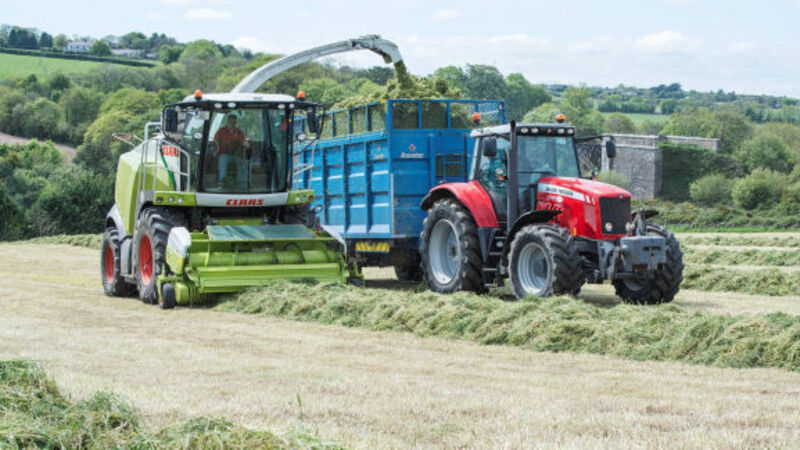
Forage stocks will certainly not be a problem, on the vast majority of farms this coming winter.
Most have managed to make much more bales than they would have expected.
Pits in most yards are full to the gills, and many still expect to make more silage, before the autumn is over.
One thing I have stressed to all farmers is the need to sit down and establish exactly how much forage they will require for their stock for a full winter.
While doing this exercise, it is worth planning for a 150-day plus feeding season — at least — as you never know when the Irish winter will start or end.
Optimum performance from silage
Obviously, with most having sufficient silage already in stock, your feed budget considerations should next turn to animal performance.
Whatever you will buy to complement your home-grown feed should achieve the required animal performance at the lowest cost possible.
Whether you intend on selling, feeding or breeding stock after the winter, under-performing stock are not what you want next spring.
Autumn grass quality
At last we got a bit of warmer weather, and grass growth remains good, due to soil temperatures remaining high.
Most farms that I walked in the last week had a significant amount of grass ahead.
It is important that we get the very best value out of this grass in order to maintain acceptable animal performance.
If a large surplus exists on your farm, it really should be taken out sooner rather than later, so that you can advantage of the good growth and begin banking grass for the autumn.
September is just around the corner, and we know grass will get softer and lower in dry matter from here on.
As a result, any silage being harvested will — where possible — need a significant amount of wilting.
This is particularly important where bales are being made.
Sugar levels in autumn grass drop dramatically, resulting in poorer fermentation when ensiled.
Cereal Options
The cereal harvest is advancing nicely, and the quality of the grain harvested has been excellent to date.
Grain continues to be traded from farm to farm, and native cereals represent the very best value available to beef and dairy farmers this winter.
If you can store and feed it successfully, it is not too late to buy grain locally.
Cereal bushel is excellent, and most has been combined at low moistures.
The price has remained similar to last year’s harvest, which means that it represents fantastic value for livestock producers.
It is worth remembering, however, that it will cost you much more during the winter, and securing your requirements now will help you to make considerable feed cost savings.
Obviously, cash flow will dictate if this is a possibility for you.
Beet
As we get closer to the winter, there is always talk of feeding beet to stock.
If you are buying it, do your sums to see if the price you are quoted represents good value.
Don’t just buy it because it is a good feed; buy it if it represents value.
There is no doubt that it is one of the best feeds for beef cattle, but you must do the sums, and get the correct advice. This advice must include balancing diets correctly for fibre, energy, protein and minerals for optimum performance, before costing all the options.