All the stars can’t compensate for poor nutrition and management
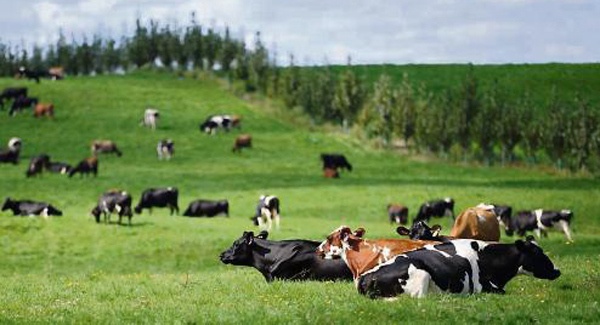
Rearing heifers as replacements is an important component of suckler farm management.
All the stars can’t compensate for poor nutrition and management

With the launch of the new suckler scheme, this aspect of suckling has really been brought into focus.

These animals will be the future of the enterprise, and must be of good quality.

Introducing four and five star heifers efficiently into your herd is seen as providing a sound basis for a profitable business — while failing to rear them appropriately may lead to economic losses.

These losses occur either during the rearing period or after the animals join the herd, through mortality, increased disease, forced culls and reduced productivity.

All of the stars in the world will never compensate for poor nutrition and management.

Rearing Management

Successful heifer rearing requires attention to detail.

It is important to set defined performance targets and ensure that these are achieved, through regular monitoring of the animals throughout the rearing period.

The objective is to raise an animal that, once calved, is capable of maximising her genetic potential for production.

Central to the cost of production is the chosen age for calving.

For sucklers, the accepted optimal target is generally 22-24 months.

Below this age, there will be an increased incidence of calving difficulties and reduced productivity after calving.

Heifers that calve late may become over-fat before calving, and rearing costs are increased.

However, if a farm is unable to achieve target weight gains required to calve at 24 months, it is better to calve later and accept increased rearing costs than to calve small, unproductive animals.

What are your targets?

Heifer rearing is expensive, with a large proportion of the costs being incurred while they are suckling their mothers.

The temptation is often to try and find feeding and management systems that reduce rearing costs.

However it is no good saving feed costs for a calf, if it later results in increased mortality, increased time to service, and smaller heifers at calving.

Ensuring that target growth rate is met during this period is essential to maximise the future fertility and production of the heifer.

Target growth rates for heifers will vary according to age, and are influenced by the planned age and weight at calving, and by animal breed.

The aim should be to achieve a well-grown heifer at calving.

The heavier the heifer is at calving, the less growing she needs to do in her first and second lactation.

Well-grown heifers can divert more of their feeding into milk production, to rear their own calf better.

Achieving growth

Growth in heifers should be directed towards lean tissue, and not to fat deposition.

This can be delivered by providing suitable levels of protein, and avoiding diets with a high starch and low protein content.

Digestible fibre and protein are the essential nutrients required for efficient frame growth.

High starch diets in heifers will result in excessive fat deposition in the udder, reducing mammary tissue development and subsequent reduced milk production.

There is a fine line between achieving target weights at calving and falling short.

For example, if your target is to have a heifer at 600 kg, for calving at 24 months, then with a birth weight of 40kg, she must gain an average of 0.77kg/day over the 730 days (two years) of her life.

Achieving an average of 0.7kg/day will deliver only a 550 kg heifer at first calving.

So, given the above requirements for growth, it is critical that there are no prolonged periods of very low growth in replacement heifers.

Heifers that have been inseminated to calve next spring need to be provided with sufficient good quality grass to maintain good growth.

If these heifers are on poor quality grass, or are tight on grass, they will need to be supplemented with concentrates.

If suckler cows with calves at foot are on restricted pasture quantity or quality, then creep feeding should be introduced to keep calves growing.

Sourcing replacements

Many suckler herds will look to buy in replacements rather than breed their own.

It is important to know what you want in a heifer before you go out buying.

One thing that is worth remembering in the suckler herd is to aim for milk in the cow, and meat in the bull.

If you have entered the new suckler scheme, the rules will have narrowed your search criteria down.

Angus and Hereford cross heifers out of the dairy herd are more commonly being used to populate suckler herds.

Obviously, these crosses will have milk, but will they have good conformation to get the grades from their progeny?

It is still important that you produce a good quality weanling which may be suitable for export or further finishing, so that you have options at sale time.

These cows may also have lower maintenance requirements, which may help to control costs.

x

More in this section

Farming

Newsletter

Stay ahead of the season. Sign up for insights, expert advice and stories shaping Irish agriculture.

Cookie Policy Privacy Policy Brand Safety FAQ Help Contact Us Terms and Conditions

© Examiner Echo Group Limited