Denise Hall: A lot done, more to do on critical pet issues
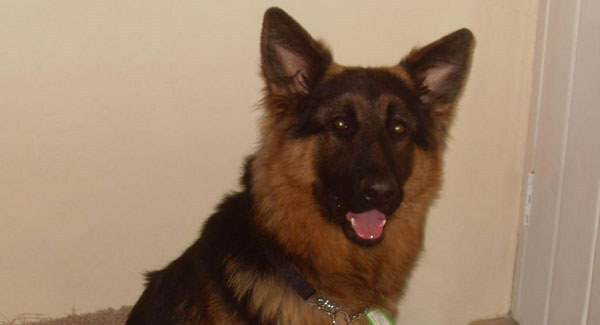
“We wish to help create a world where no healthy, good-natured dogs are killed merely because they are considered to be a surplus number,” say MADRA (Mutts Anonymous Dog Rescue Adoption).
This Galway-based dog rescue group have saved 474 dogs from pounds in 2014 — 8% of dogs transferred to rescue organisations nationally.
The number of dogs coming into the pound system was also down by just under 1,000 dogs in 2014.
MADRA chairperson Edel Comerford said: “We are happy to see the number of dogs being euthanised has come down .
"Such amazing work is being carried out by animal welfare organisations nationwide.
"We are delighted to see that the put-to-sleep rate in Galway has been reduced to 7% from the 83% of only eight years ago. But there is still a lot of work to be done.”
West Cork Animal Welfare Group was founded in May 1999, in response to a desperate need to help abandoned and abused animals.
The group is still run today by a small group of volunteers and any funds raised or donated go directly to the upkeep of the animals in their care.
They rehome an average of 360 dogs and puppies a year and on the one hand, they are seeing a welcome reduction in cruelty cases but an increase in the need for their rehoming services as more people are surrendering dogs that they no longer want, or are able to keep.
So much so, in fact, that they are now operating from a waiting list and with the help of those volunteers who act as fosterers when the kennels are full.
“The list of reasons people have for surrendering their pets is varied, to say the least,” says Jennifer Headlam, WCAWG founder.
“And it can put a lot of pressure on us, especially when, as happened today, someone called and said they had to move and couldn’t take their dog.
"There was just no explaining that we were full and needed more time to make proper arrangements. It’s hard to understand why you would leave something so important to the last moment.
“We seem to be becoming more of a rehoming centre recently and we are seeing a lot more puppies coming in to us.
"This is also an indication of not planning properly and ensuring that your dog is spayed or neutered. Of course, there are other, unexpected situations that occur where people might become ill, allergic or have to leave the country for work.
“To alleviate the number of unwanted animals we need a different approach, perhaps make dog licenses cheaper for those who can prove their dogs are spayed or neutered and considerably more expensive for those who can’t.
"And of course, it’s important for people to think carefully about the kind of dog that will be the best match for them. How much exercise it will need, how big it’s going to be, and temperament, all need to be taken into consideration.”
Dogs are probably the first tame animals. They have accompanied and assisted humans for over 10,000 years.
Before this partnership evolved, wild canines spent a long time forming a lifestyle and the types of behaviour that perpetuated their existence.
Today, domestic dogs prefer living in a social environment and generally consider “their” humans as part of, what in earlier times, would have been their pack.
So it helps them to know who is the leader. Helping a dog to gently and consistently know what is acceptable behaviour will help it to be more comfortable. For a dog, as for people, not knowing what is expected, can be very stressful, as can mixed messages.
Jennifer Carroll, VTA, a veterinary nurse with 13 years experience, works with the Fachtna Collins veterinary practice in Bantry.
She also spends a large part of her time volunteering with RAWR, (Rural Animal Welfare Resources) particularly in the area of trapping, neutering and releasing feral cats.
Jennifer is currently fostering a number of dogs and cats before they are rehomed and has somehow acquired a pig and a goat along the way.
She has strong feelings about people taking responsibility for spaying and neutering their animals and the general welfare of their pets. She told me about her work.
It really must be tough going sometimes, Jennifer. How do you cope?
There are days when you can feel jaded, especially when it involves people being irresponsible, although I have had to become pretty stoic.
There was an incident where we saw a female boxer who had been left in labour for three days and nothing had been done for her. By the time she got to us, she’d given all she had to give. She died, and so did her pups.
On another occasion we had to put down a litter of day-old pups and kittens. And that’s not right. Everything deserves a chance but you have to realise that no-one can save everything.
What changes in attitude would you like to see?
I would ask people to be more responsible, do their research and consider things like pet insurance. And of course, to spay and neuter their pets. It seems as if that message is still not getting through.
And if someone is thinking of getting a dog or a cat, to please visit a local and reputable animal rescue centre. Sometimes the excuse people make for not wanting to do that is that they think there must be something wrong with them or they wouldn’t have ended up in shelters.
But there’s nothing wrong with rescue dogs. They have been neutered, had full vet checks and have been assessed for temperament. Also they are micro chipped. There are so many dogs that have ended up in shelters through no fault of their own. So I’d urge everyone to give them a chance.
What is your average working day like?
There’s probably no such thing as an average day here. You never know what might crop up. And it can be a seven day a week commitment.
Sometimes you have to sit up with a sick animal through the night or console an older man who is crying because they have had to have their dogs put down. But people who do this work don’t look for recognition. Animals are dependent on us to do the right thing and we don’t always come through for them. I’d like to see that change.