Grass: the hardest thing to manage on your farm
There is either too much or too little. Obviously, growing conditions and weather have a huge bearing on this.
Stocking rates over the grazing season also determine how swards must be managed.
Currently, under-fertilised grass is quite stressed, and heading out very quickly.
Grass growth has improved significantly on most farms, with surpluses emerging for many.
Heavier type ground, in particular, is growing huge volumes of grass.
However, not everybody is happy, as some are experiencing a mini-drought already, resulting in grass swards stressing and heading out early.
It is amazing how quickly things turn around, when we get a good spell of weather at this time of year.
Ground in general is very hard, and although air and soil temperatures are excellent, there is in many regions a significant shortage of moisture.
For those experiencing a drought on their farm, it is essential that grass is managed very carefully.
Try to slow down the rotation, if growth has slowed down.
This will involve feeding additional ration to those already being fed, and introducing some ration to other stock.
It may also require feeding round bales of silage, if it is available, to slow down the rotation.
Whatever happens, it is only the month of June, so don’t leave animals run out of grass before you start thinking about what you will do to feed them.
We should all have learned how best to manage dry weather on our farms after the last two years’ experiences.
If you got it wrong in previous years, try to learn from your mistakes.
Creep feeding of suckler calves will help to reduce grass demand.
Forward creep feeding of grass will also help, as you can afford to let cows graze paddocks tighter, while keeping calf growth rates up.
Starting to feed meal to forward stores on grass will slow down the rotation, while getting animals used to meal before they are pushed for finish.
Some will also need to consider bringing in cattle intended for slaughter later in the year.
Commencing the finishing period a little earlier will take the pressure of the grazing platform.
Meal being fed on grass should not be too high in protein, as there is plenty of protein in grass at present.
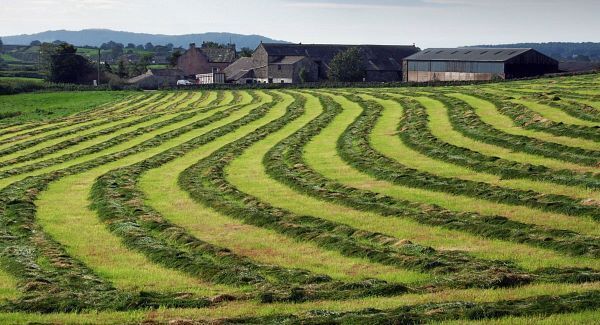
For those with a grass surplus, it is essential that it is taken out immediately.
Lift the mower a little higher than normal in the paddocks, so that it is not too bare, and allows for quicker regrowth.
Green fields grow faster than yellow ones, especially when it is dry.