Plan now to get cattle into sheds in good order
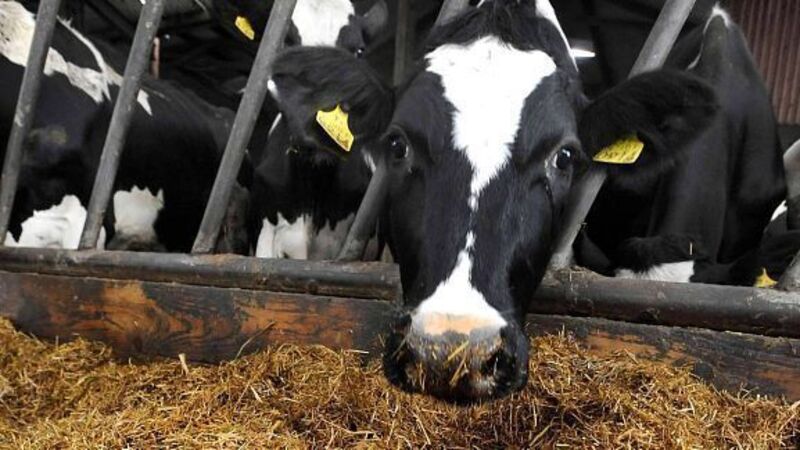
You need to decide if stock are to be housed for finish, or for further storing with a view to selling them next spring.
Most have already made their first cut grass silage, or plan to do so very soon, as the weather has (thankfully) settled.
At this stage, you have determined the quality of the base feed that you will feed for all of next winter.
The quality of what is in the pit is determined by your sward quality, fertiliser application, weed control, soil fertility and cutting date etc…
All of these will also determine what quality you will achieve from your second cut.
So silage quality is already determined for next winter. Attention must now be turned towards the stock that will be fed this silage over the winter.
Grass silage tends to make up the base of almost all diets on Irish beef farms.
Steers and heifers, to be finished once they go indoors in October or November, need to be of suitable weight for finishing when entering the shed. You should aim to achieve optimum weight gains between now and housing.
Those gains will be determined by sex, breed, age, grass quality, parasite control and weather conditions.
Make sure you take control of the elements on the list that your management can influence — namely grass quality and parasite control.
Feeding cattle next winter does not begin the day they are housed.
You must reach target weights for housing.
So what targets should you set for your stock?
Target daily live weight gains of between 0.8 and 1.2kg per head per day for bulls/steers, and 0.7 to 0.9 kg for heifers on grass, between now and housing. Something else worth considering is the target market you wish to supply, if you are finishing cattle.
Establish the required age, grade and weight which will optimise returns from the stock you currently have.
This information should be gathered before any plan is put in place.
Factors influencing live weight gain from grass
If grass quality is poor, then you need to address it quickly, or it will be poor for the rest of the season.
Beef animals of all types will consume approximately 2% of their body weight in dry matter each day.
British breeds (Angus and Hereford) will eat a slightly higher percentage of bodyweight.
Weanlings/stores on grazed grass will in many cases no longer need supplementation, as long as grass quality is kept right.
If you try to get these animals to graze covers that are too strong, you will not achieve target weight gains, as the total energy intake will not suffice.
If your grass quality is poor, and perhaps you are also short of grass, then in order to achieve target weight gains, you may well need to feed meal. If you don’t feed them during a period of energy deficit, it will be very hard for them to catch up to targets.
I may seem like a broken record lately on this point — but parasite control is also worth getting right. Get advice from an animal health expert on what parasite control programme might work best on your farm. This should be based on the history of the farm and land type. If you also have evidence of infestation based on recent slaughter records, don’t ignore it.
Where you have animals of varying sizes, weights and ages, but intend on feeding them the same diet once they are indoors, then you should consider splitting them.
You can then push the lighter ones with some concentrate, so that the whole group will be more even at housing. There is no point in putting animals that are too small to finish on a finishing diet. Animals must be grown properly before they can be finished properly.
It should, where avoidable, never be an accident of good fortune that your cattle enter the shed in good order.
If the grass is wrong, strive to get it right, and if the weather is wrong, and cattle can’t eat enough grass, then supplement it.
Many farms now have a weighing scales, or have access to one locally, so establishing accurate weights should not be that difficult.