New spore traps great for timely warnings
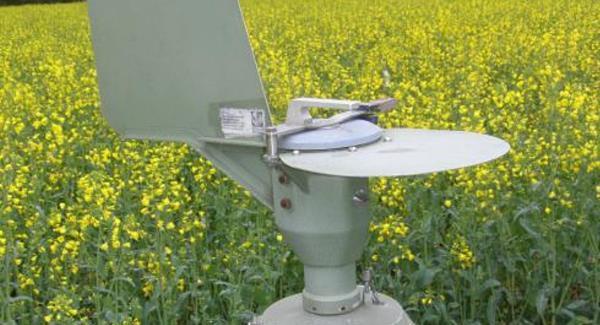
This is one of the methods beng promoted by Home Grown Cereals Authority in the UK, in order to alert growers to disease pressures, so they can time pesticides properly and thus maximise the value of protectant sprays.
Dr Jenna Watts, HGCA Research Manager, said: “The key to protecting susceptible crops from disease is to get the timing of fungicide applications spot on.
“We are using research-based approaches to detect early disease pressure before visible symptoms develop.
“By publishing our findings on the HGCA website, the information will help growers know when crops are at risk of infection, so they can act accordingly.”
Traditional air sampling methods have been around for decades, and can effectively trap airborne spores, but require time-consuming lab-based processing, which means information on pathogen pressure can often come too late for practical application in the field.
DNA-based methods speed up the process, and the HGCA will sample for septoria, fusarium and sclerotinia spores, using both automated and conventional traps.
“It’s easy to see how a network of automated traps could feed real-time information on regional disease pressures and, potentially, even resistance status, through a web-based interface,” said Dr Watts.
But that objective is some distance away.
The HGCA will also closely monitor oilseed rape flowering, rainfall data, and cereal ear emergence and flowering, so that it can alert growers to a high risk of sclerotinia in rape crops, and fusarium in cereals.
In both cases, timely spraying is critical.