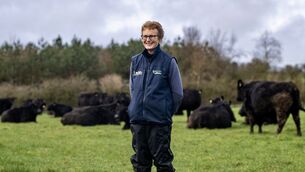
Dairy steer beef at 20-21 months can work well
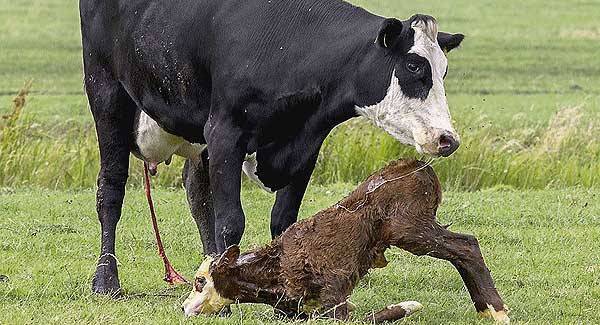
The options for finishing male dairy calves for beef have been studied by Robert Prendiville, Brian Murphy and Brendan Swan, Teagasc, Grange and Johnstown Castle.
Previously, the blueprint for spring-born male dairy calves was a 24-month steer production system.
In this system, animals are finished during the second winter, and the target carcass weight is 320kg. This target is achievable and repeatable.
The feed budget for animals in this system is 52% grazed grass, 26% grass silage and 22% concentrates.
Since the profitability of any dairy-calf-to-beef system is sensitive to selling price, calf purchase price and finishing concentrate price, alternative production systems that reduce the costs of production are of interest.
Finishing spring-born male dairy steers at 20-21 months of age, off pasture in autumn, eliminates finishing during the second winter.
In this system, animals are supplemented with 5kg of concentrate dry matter for 60 days before slaughter.
Recent results from Johnstown Castle have yielded carcass weights of 275kg.
Conformation scores were P+/O-, with fat scores of 2+/3-.
In this system, grazed grass represents a large proportion of the animals’ diet (63%), with lower inputs of grass silage (19%), and concentrates (18%), compared to the 24-month system. However, this system is heavily dependent on high levels of grassland management. Sub-optimum herbage quality will reduce animal performance, and increase the likelihood of having to incur winter finishing.
This system has the potential of carrying a high stocking rate, as animals are slaughtered at a younger age.
Alternatively, steers can be carried through the second winter on a low-input diet (grass silage only), and slaughtered during their third season at pasture (28-month production system).
Lifetime concentrate input is low (350kg/head), and animals are slaughtered in May/June, when beef price has been historically high.
Similar to the 21-month production system, a large proportion of their diet is from grazed grass (65%) with low levels of silage (28%) and concentrate inputs (7%). The target carcass weight in this system is 350kg.
The stocking rate of this system is lower than the 21-month and 24-month systems, but a high carcass output is achieved.