ICMSA wants currency bonus in milk prices
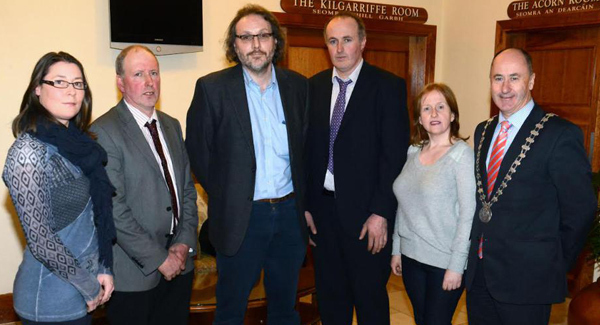
The 20% weakening of the euro compared to the dollar is worth nearly 4c per litre of Irish milk exported to the US as butter and skimmed milk power, according to ICMSA.
“Milk products are generally quoted and sold in US dollars, meaning more euros are returned if the price remains the same and the euro weakens,” said ICMSA Deputy President and dairy chairman, Pat McCormack.

“Ireland exports large quantities to the UK market, and the euro-sterling rate is also moving in our favour.”
He said the euro-dollar exchange rate falling to its lowest point in five years — due to quantitative easing, among other factors — is a key driver in a recent dairy markets surge, along with Fonterra in New Zealand reducing its milk volume forecast 3.3%.
Explain your example of the currency effect on Irish dairy products sold in the US?
ICMSA looked at the price of butter and skimmed milk powder sold in the US in November, 2014.
The average price sold on that occasion equated to 34.96 cent per litre for Irish milk. Fast-forward two and a half months to the present, and the same dollar sale price would equate to 38.83 cpl.
That’s a very significant 3.8 cpl rise before any change in underlying market condition is factored-in, and it shows how far the euro has fallen against the dollar in that period — almost 10%.
Irish processors are receiving substantial currency bonuses without reference to strengthening of the underlying market conditions which is occurring as well. That will mean that milk suppliers will be entirely justified in looking for a higher average milk price for 2015 than had been previously estimated.
Are co-ops taking currency gains for Irish exporters into account fully, when calculating milk prices? What are the other main factors?
The question of whether the co-ops are taking this currency bonus into account fully when calculating milk price is one that we’ll see answered in due course.
But farmers know the co-ops are receiving the very considerable benefits of a double-digit fall in euro value against the dollar and sterling, and we’re demanding that the extra revenue is taken into account when milk prices are set.
Other milk price factors are the normal commercial considerations, supply and demand, weather in milk producing regions, forward pricing contracts, consumer sentiment and consumption trends, etc.
Do you expect much of a market effect from EU milk production slowing down as the prospect of a superlevy ‘kicks in’ for farmers across the EU?
We see a slowdown in production with the imminent superlevy just one of the factors working to restore more positive supply-demand equilibrium.
There’s no doubt but that brakes are being applied to production in the seven or eight key producer member states across the EU, as the reality of the superlevy looms. But we have, as well, Fonterra forecasting a milk volume reduction for 2014-2015 of 3.3% off the 1,584 million kilograms collected last season, due to dry weather.
That’s the very first acknowledged weather impact on production since 18 months ago, when global supply surged due to near perfect conditions in all major regions.
That Fonterra announcement came just before the recent 9.4% jump in the Fonterra Global Dairy Trade price, and that is not coincidental — supply and demand might come back into line faster than had been expected.
Will quantitative easing have beneficial side-effects for Irish farmers in the form of cheaper loans? Or could it cause inflation which could eat into the real value of direct payments?
Many farmers will smile at the thought that QE as practised by the ECB may cause inflation.
ICMSA has been drawing attention to the phenomenon of input inflation for at least five years!
Farm product prices — specifically, for milk — show a very low rate of increase relative to general inflation. But farm input prices are a different story altogether, with year-on-year increases that can completely wipe out farm incomes in years when our prices are down.
The other noticeable factor is the immediacy of input inflation, and the relative slowness of input deflation. When oil goes up on the wholesale market, our diesel goes up the next day.
When oil falls in price, as it has been doing, we see a very noticeable lag between the fall and a proportionately much smaller decrease in our diesel costs.
Another question causing ICMSA a lot of concern for a very long time is the interest rate being charged by Irish banks.
We approached Rabobank about becoming much more involved in lending to Irish farmers, before events overtook that issue.QE may lead to more funds being available for expansion, but a more germane question is what the rate of interest will be?
We don’t just need more funds for farm expansion; we need loans at internationally competitive rates.
We would trust the ability of the ECB, particularly the influence of the Germans, to ensure that QE does not become a runaway monetary train that will undermine the relative value of the euro when it is already under pressure from other internationally traded currencies.