Farmers see value in wetland waste water treatment systems
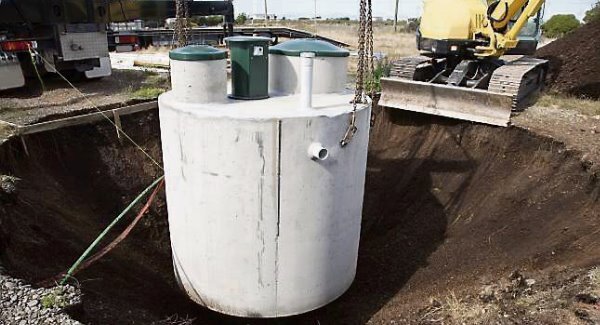
Farmers know that using wetland systems to filter waste-water is cheaper and more sustainable than storage tanks, says a leading environmental engineer.
Farmers see value in wetland waste water treatment systems

Féidhlim Harty, founder of FH Wetland Systems, in Ennis, Co Clare, cited one farmer client in Longford, who said that the system he installed last autumn has been far cheaper than a waste water storage tank.

“He said the €15,000 cost — covering the hydrological assessment, the digger, planning fees and my design — was still less than the cost of a new tank,” said Mr Harty. “Even with a tank, he’d still have had to spend an hour a week hauling waste water.


“What he has really gotten out of it is peace of mind. His spreading volumes are way down, and he knows there’s no chance of his drains getting clogged or of pollution flowing into any small streams around the farm.”

The Longford farmer’s parlour and yard washing are now piped into a system of wetland plants that includes bulrush, common reed, and yellow-flag iris. The plants act as filters, consuming bacteria and pollutants, before discharging clean water. While the farmer still spreads his slurry and silage effluent, he also has a wooded buffer zone of willow trees to prevent water run-off from his farmland.

“The storage of slurry and silage effluent is essential for returning nutrients to the land,” said Mr Harty. “But the parlour washings can pose a problem. They are high in volume and low in -nutrient value for the soil.

“Perhaps surprisingly, this dirty water is very polluting for rivers, as it is high in organics and suspended solids. It is not valuable enough to spread and it is too polluting to discharge. This is why the wetland system is so invaluable, because it filters the water naturally.”

The Department of Agriculture has guidelines for integrated, constructed wetlands, available on its website. The EU also favours wetland systems.

In 2009, the European Commission took Ireland to the European Court of Justice for its lack of legislation on septic tanks and percolation areas. In 2011, the Commission again brought Ireland before the courts, seeking to impose a fine of €2.7m and a daily penalty of €26,000, due to the continuing absence of legislation.

Constructed wetlands are purpose-built, designed for the treatment of waste-water. The carefully chosen plants and a specially designed substrate provide the right biological environment for cleansing and reoxygenating the water.

The benefit of wetland buffer zones in farm-pollution control is among the featured topics in Harty’s new book, Septic Tank Options and Alternatives. Geared towards all septic-tank owners, the book has a clear resonance for people living in rural areas, who constitute more than 40% of Ireland’s inhabitants.

There are 450,000 septic tanks in the country. More than half of these tanks failed a controversial testing regime introduced by the Department of the Environment last year.

More in this section

Farming

Newsletter

Stay ahead of the season. Sign up for insights, expert advice and stories shaping Irish agriculture.

Cookie Policy Privacy Policy Brand Safety FAQ Help Contact Us Terms and Conditions

© Examiner Echo Group Limited