Cutbacks on fertiliser have gone too far
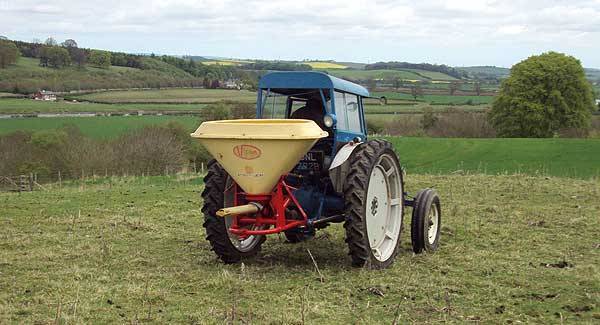
In recent farm walks, researcher Stan Lawlor from Teagasc, Johnstown Castle, gave some striking figures emphasising the serious shortages of P, K, and lime in soil samples being tested. Recently he pointed out that only 10% of samples sent for analysis are correctly balanced for P, K, and lime requirements. In other words, 90% are incorrectly balanced for optimum crop and grass production. Even more surprising is that a recent survey indicates that only 40% of farmers who have soil tested use the results to decide what fertiliser to use.
In the old days, advisers discussed soil sample results with farmers; this was very beneficial. But this is no longer possible, because the frontline advisory service has been decimated in recent years.
The proper way to control soil fertility is to have a nutrient management plan. This is a simple process, which I tried to promote for decades, but failed, due mainly to official lack of interest from Teagasc and farm organisations.
The hit and miss records being kept for official purposes are of little help in ensuring that the entire farm is at optimum production level.
Financial problems have also contributed to a lowering of fertility levels on farms.
A proper nutrient management plan indicates the nutrient status of all the different areas of the farm. It would help farmers to make best use of fertilisers and slurry and save money on fertilisers.
The majority of farmers realise that reseeding poor pastures can improve grass and silage yields. However, farmers are not so well aware that, if the fertility of the soil is not correct, yields can be severely restricted and reseeding may not be worthwhile.
During the 1990s, there was a huge effort by Teagasc to encourage farmers to use less fertiliser in line with research and soil sample results.
This followed decades of trying to persuade farmers to use more fertiliser, and more importantly the correct type of fertiliser. A cutback was necessary, but it went too far.