Additive helped to reduce calving to conception interval
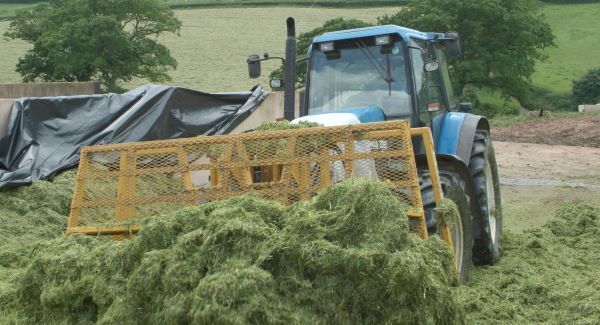
The explanation is in how the silage is fermented and utilised in the rumen, said Dr Dave Davies, a former senior scientist at the Institute of Grassland and Environmental Research in Wales, where experts evaluated the lactic acid bacteria which are used in the Genus ABS Powerstart additive on trial.
He said the product’s particular strain of bacteria makes better use of all the sugars in grass, for a faster fermentation. This leaves a higher grass sugar content available to the cow from the silage, and better preserved grass protein. In turn, the rumen digests the forage more efficiently, producing less surplus ammonia and urea. “If the rumen is producing a lot of ammonia, it has to be removed, which uses up energy,” he said.
Converting ammonia into urea wastes energy, which reduces the energy available for milk production. If less energy is available from the diet, the consequence in early lactation is that cows will be in extended negative energy balance and will lose more condition over a longer period of time which is well understood to have a negative effect on fertility.”